Burundian MPs concerned as African States Tighten Rules on Foreign Traders
Kenya’s recent decision to reserve small-scale trade for its citizens has left Burundian lawmakers concerned about the future of their nationals working there.
 Black News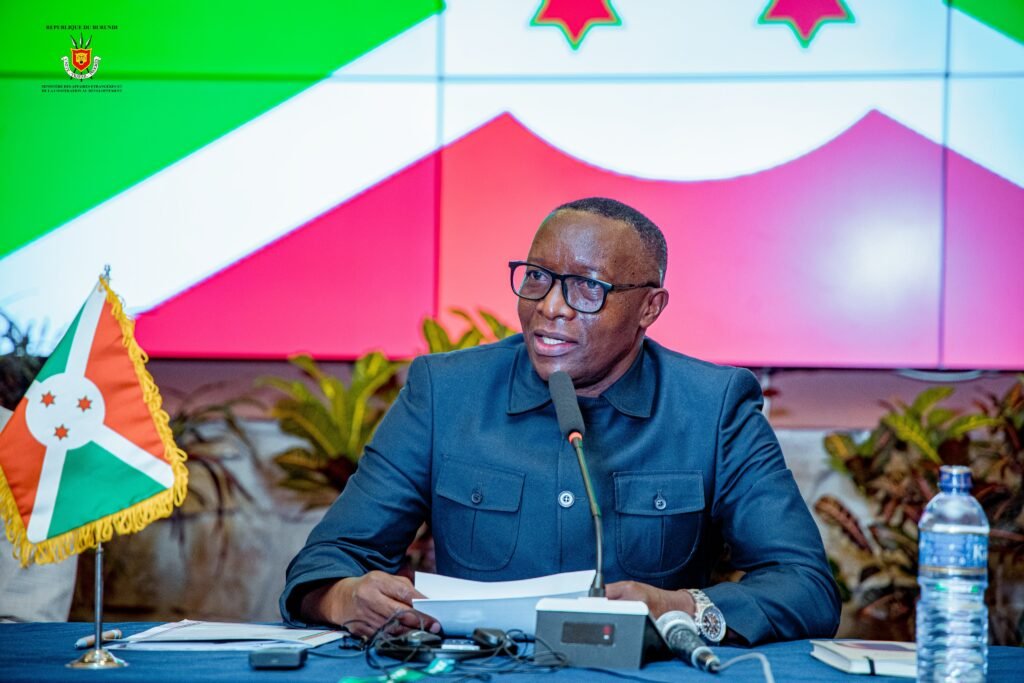

Burundian Members of Parliament said they were concerned over measures adopted by some African countries targeting foreign traders and workers, following Kenyan President William Ruto’s announcement this week that foreigners would be barred from engaging in small-scale retail trade.
The concerns were raised on Friday during a session of Burundi’s National Assembly to consider and approve a bill ratifying a cooperation agreement with Angola on visa exemptions for holders of diplomatic and service passports.
The agreement, signed in February 2026, is intended to strengthen bilateral ties between Burundi and Angola.
Lawmakers used the session to question the government about the treatment of Burundians working elsewhere in Africa.
“We are seeing African countries taking measures to close themselves off, particularly when it comes to employment,” lawmaker Martin Ninteretse said. He asked what Burundi’s response should be and whether it should consider applying the principle of reciprocity.
His comments followed Ruto’s announcement banning foreigners from conducting small-scale trade in Kenya.
Burundi’s Foreign Minister Edouard Bizimana said the government was monitoring the situation, including reports of physical mistreatment of foreigners in some countries.
“We have heard, for example, that Kenya has just banned small-scale trade for all foreigners, and that a similar measure may have been taken in Tanzania,” Bizimana told lawmakers. “In each case, we are following the issue closely.”
Bizimana said he had spoken with Kenya’s ambassador to Burundi and urged Kenyan authorities to ensure that Burundians were not subjected to mistreatment.
“We respect the measures taken by each country as a sovereign state, but I asked him to ensure that no Burundian is mistreated, given that we are members of the same East African Community,” Bizimana said.
He added that the ambassador had promised to convey Burundi’s concerns to his superiors.
The minister said he was also in contact with ambassadors from other countries to protect the interests of Burundian citizens living and working abroad.
Burundian traders fear disruption
Ruto’s announcement has caused anxiety among Burundians engaged in small-scale commerce in Kenya, according to the report.
Some traders said the decision came as a surprise and that they were not prepared to immediately stop their businesses. Others said they did not have the money to return to Burundi.
Kenya hosts a significant number of Burundians, many of them young people seeking employment. Some earn a living through informal trade, selling goods including eggs, doughnuts and other food products, while others work in hair salons.
High unemployment in Burundi has pushed many people to seek work in other African countries. But migrants frequently face challenges including accusations of illegal residence, particularly when they overstay their permits, as well as claims that foreigners are taking jobs meant for nationals.
Burundians have also reported mistreatment in countries including South Africa and Tanzania, amid broader tensions over immigration and foreign workers.
The issue has raised questions about the treatment of foreigners within Burundi itself. Foreign nationals in Burundi generally continue to conduct business, although the government has recently required foreigners to obtain residence cards and warned that those without valid documentation could face expulsion.