Dangote Kenya Refinery Deal Includes 30% Stake Offer to 3 Nations
The Dangote Kenya refinery deal is now on the table for three governments: Aliko Dangote is offering Kenya, Ethiopia and Rwanda a combined 30% equity stake in the planned $16 billion facility on Kenya’s coast, as the countries look to cut their dependence on imported fuel. David Ndii, economic adviser to Kenyan President William Ruto, [...]
 Black News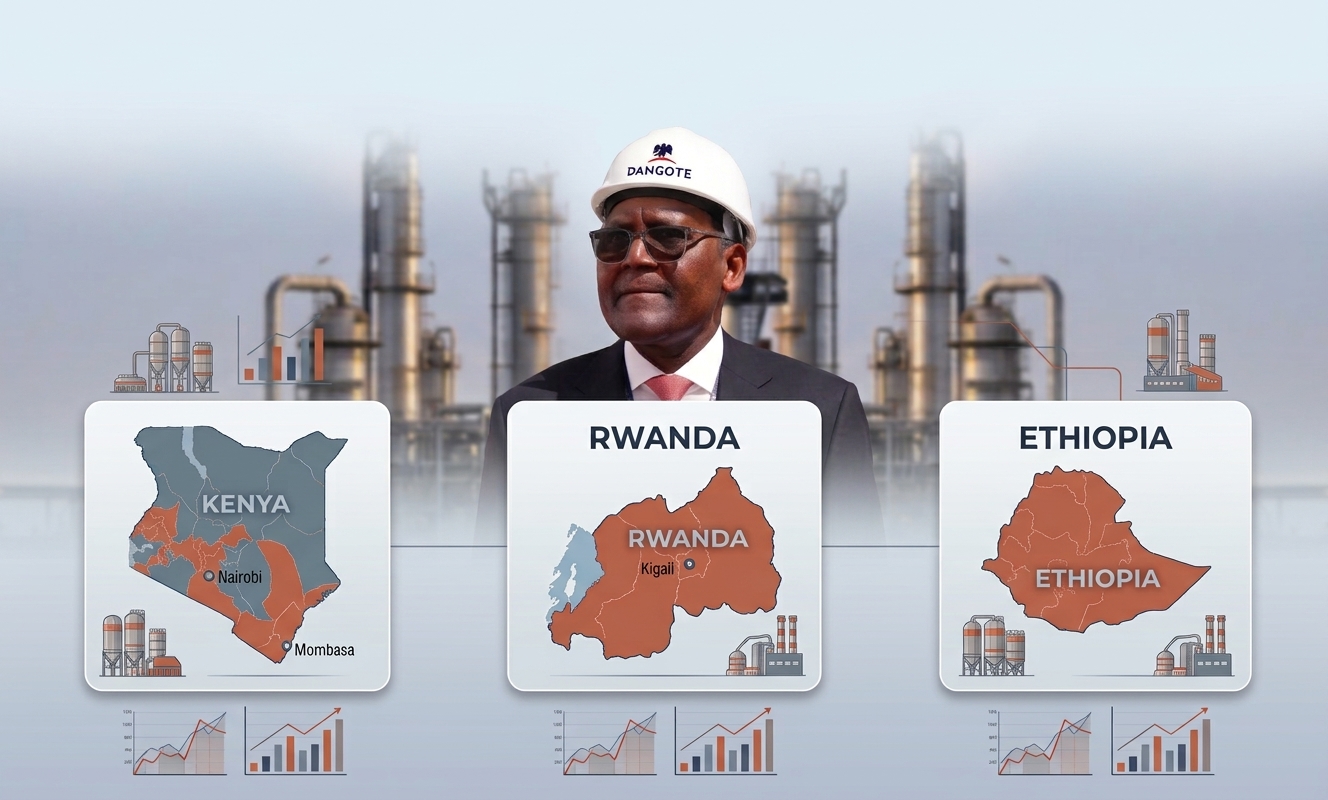

The Dangote Kenya refinery deal is now on the table for three governments: Aliko Dangote is offering Kenya, Ethiopia and Rwanda a combined 30% equity stake in the planned $16 billion facility on Kenya’s coast, as the countries look to cut their dependence on imported fuel. David Ndii, economic adviser to Kenyan President William Ruto, disclosed the offer Thursday at a capital markets forum in Nairobi.
Quick Facts
- The offer: A combined 30% regional equity stake, worth roughly $1.5 billion
- Kenya’s share: A 10% stake under consideration, worth about $500 million
- Location: Lamu, on Kenya’s coast
- Capacity: 700,000 barrels of crude a day
- Cost: About $16 billion for the plant; up to $20 billion including petrochemical and port infrastructure
- Financing: Roughly 70% debt, 30% equity
- Timeline: Construction expected to start later in 2026, taking about four years
- Also interested: Ethiopia and Rwanda, alongside Kenya
ALSO READ: Dangote bids for Struggling Kenyan Company
Why East African Governments Are Buying In
Most countries in the region import the bulk of their petrol, diesel and jet fuel, which leaves them exposed to shipping costs, currency swings and disruptions in global supply chains. A refinery built and partly owned on the continent changes that equation: it gives governments a direct stake in a facility designed to supply Kenya alongside Ethiopia, Uganda, Rwanda, Tanzania, South Sudan, Burundi and the Democratic Republic of Congo.
Bringing regional governments in as shareholders also serves Dangote’s financing structure. About 70% of the refinery’s cost is expected to come from debt, with the remaining 30% — roughly $4.8 billion — funded by equity.
A 10% stake works out to close to $500 million. Government ownership additionally gives the refinery a built-in customer base with a direct interest in its success, which matters for a 700,000-barrel-a-day plant that needs demand across several countries to run at scale.
The Dangote Kenya Refinery: Why Lamu
Dangote considered sites in both Kenya and Tanzania before settling on Lamu. The location connects the refinery to a port and the LAPSSET corridor, an infrastructure project designed to link Kenya with Ethiopia and South Sudan. Site surveys, engineering and design work are already under way.
This would be Dangote’s second refinery, after his plant near Lagos, Nigeria, which has a capacity of about 650,000 barrels a day and began supplying Nigeria’s domestic market after years of the country importing nearly all of its refined fuel despite being a major crude producer.
Dangote Industries is separately preparing to list the Nigerian refinery on the stock market and has said cash, debt and capital-market funding will support its expansion across the continent. The Lamu project would extend that same model — continental refining capacity replacing imported fuel — to a second region.
The Lagos precedent gives some indication of what is at stake. Since Dangote’s Nigerian refinery ramped up, Nigeria has moved from importing most of its fuel to becoming a net petrol exporter, with the plant supplying about 80% of domestic demand, according to the Economist Intelligence Unit.
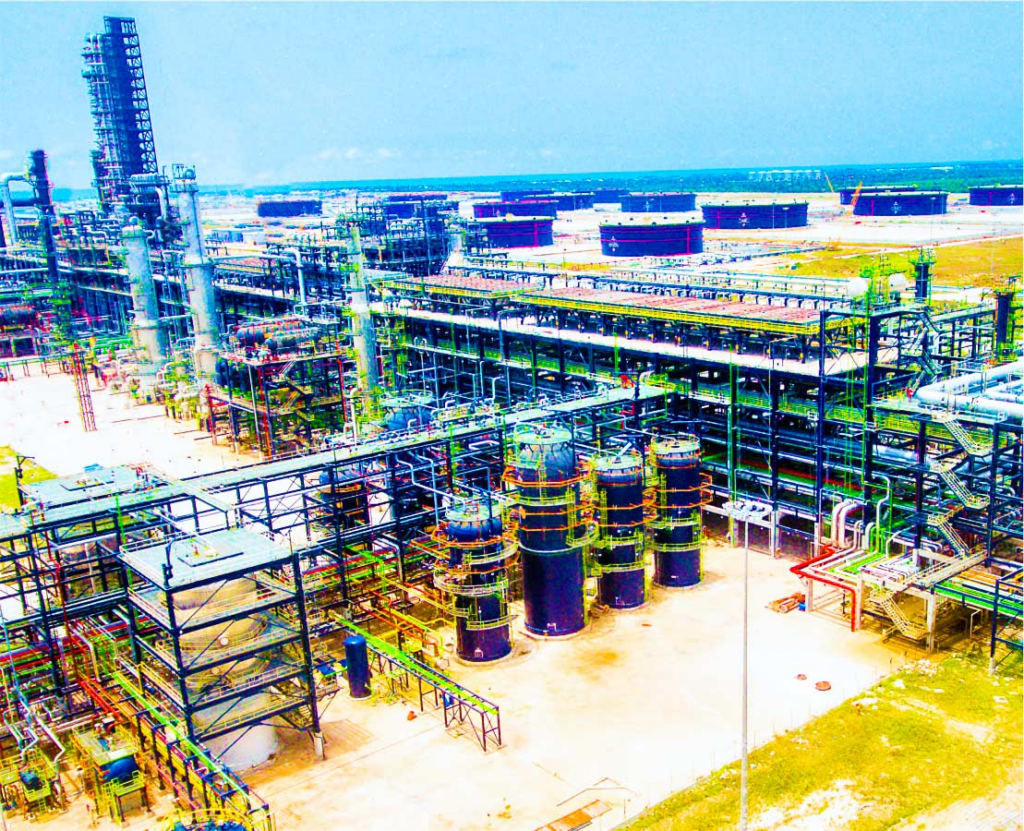
Replacing imports that once made up roughly a fifth of Nigeria’s import bill has saved the country more than $10 billion a year in foreign exchange, and S&P Global Ratings cited the expanded refining capacity as a factor in its 2026 upgrade of Nigeria’s sovereign credit rating. That is the scale of impact East African governments are weighing as they consider taking a direct stake in Lamu.
What Still Has to Happen
The project carries real execution risk. Dangote still has to raise the debt financing, complete construction, secure a reliable crude supply and compete against fuel imported by established global refiners. Regional governments, for their part, will have to weigh whether putting public capital into a refinery delivers better returns than other infrastructure priorities competing for the same money. None of the three governments have confirmed a final equity commitment; Kenya’s 10% figure is described as still under consideration, not finalized.
If the Dangote Kenya refinery is built as planned, it would shift a meaningful share of East Africa’s fuel trade away from imports and toward fuel refined on the continent — the kind of infrastructure ownership that reduces, rather than manages, the region’s exposure to external fuel markets. For more coverage of Africa’s infrastructure and economic sovereignty push, visit African Vibes’ Development section.