US steps up aggressive mineral push with up to $1 billion backing for DRC copper and cobalt railway
The United States is preparing to put up to $1 billion behind a 30-year concession to rehabilitate and operate a key railway in the Democratic Republic of Congo (DRC).
 Black News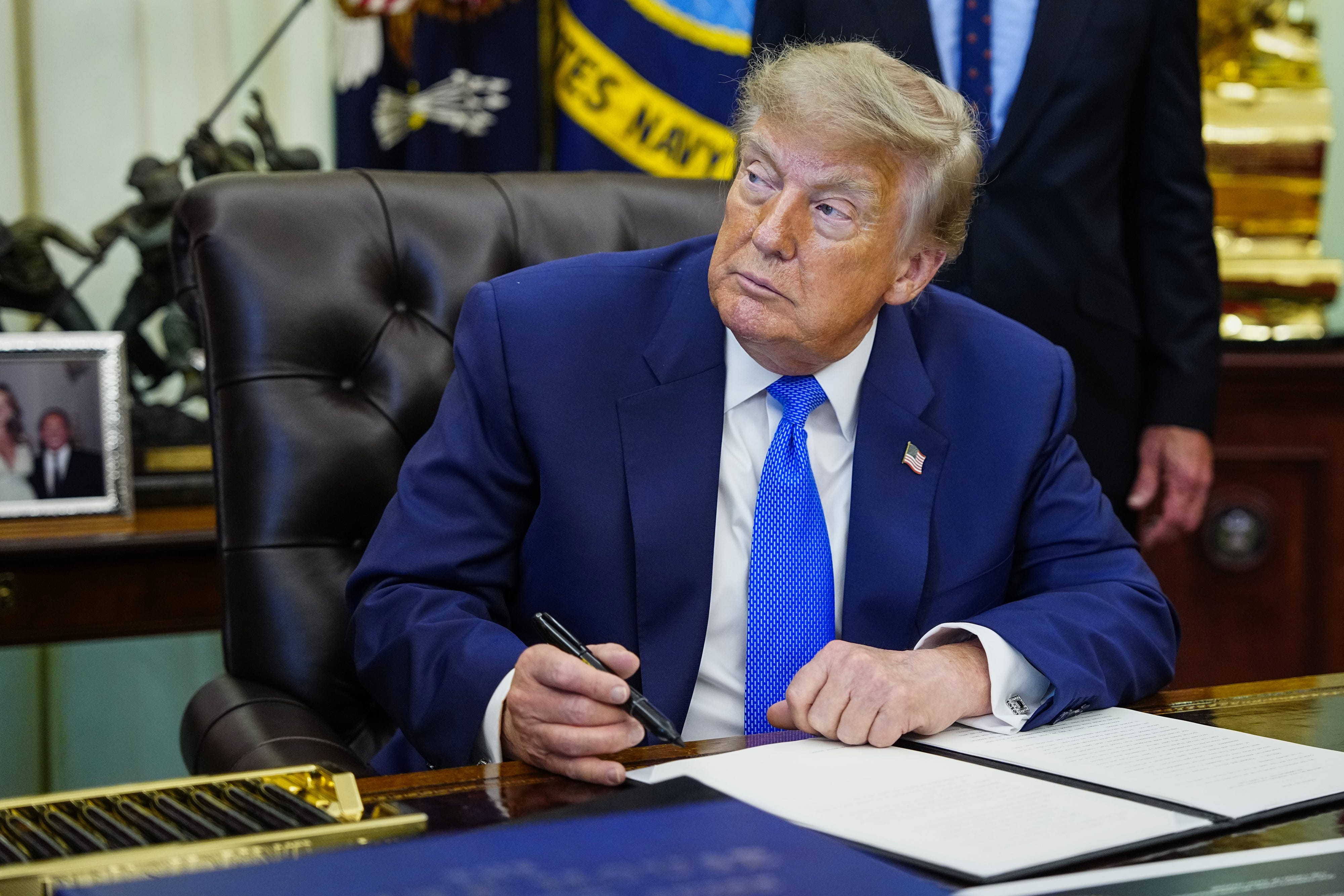


The United States is preparing to put up to $1 billion behind a 30-year concession to rehabilitate and operate a key railway in the Democratic Republic of Congo (DRC).
- The US plans to invest up to $1 billion in a 30-year concession to rehabilitate and operate a key railway in the DRC.
- Portugal's Mota-Engil is expected to sign the agreement to take over the Congolese section of the Lobito Corridor.
- The railway connects major mining centers in the DRC to Angola's Atlantic coast, facilitating export of copper and cobalt.
- This initiative is part of US efforts to secure critical minerals and reduce reliance on supply chains dominated by China.
With this move, the Trump administration plans to strengthen Washington’s efforts to secure access to critical minerals and challenge China’s dominance of the supply chain.
Portugal’s largest construction company, Mota-Engil, is expected to sign the concession agreement to take control of the Congolese section of the Lobito Corridor, according to Bloomberg.
DON'T MISS THIS: U.S. gains access to world’s richest tantalum deposit in DR Congo as mineral deal reshapes war, global tech supply chains
The roughly 1,000-kilometre railway links major mining centres including Kolwezi, Tenke and Lubumbashi with the wider Lobito Corridor, a strategic transport route designed to move copper and cobalt from Central Africa to global markets through Angola’s Atlantic coast.
The US International Development Finance Corporation (DFC) signed a letter of interest with Mota-Engil in December for financing of up to $1 billion to support the rehabilitation and operation of the Congolese railway.
A new front in the critical minerals race
Mota-Engil already operates part of the Lobito Corridor in Angola through a joint venture with commodities trader Trafigura, giving the company an existing role in the infrastructure connecting the region’s mining centres to the Atlantic port of Lobito.
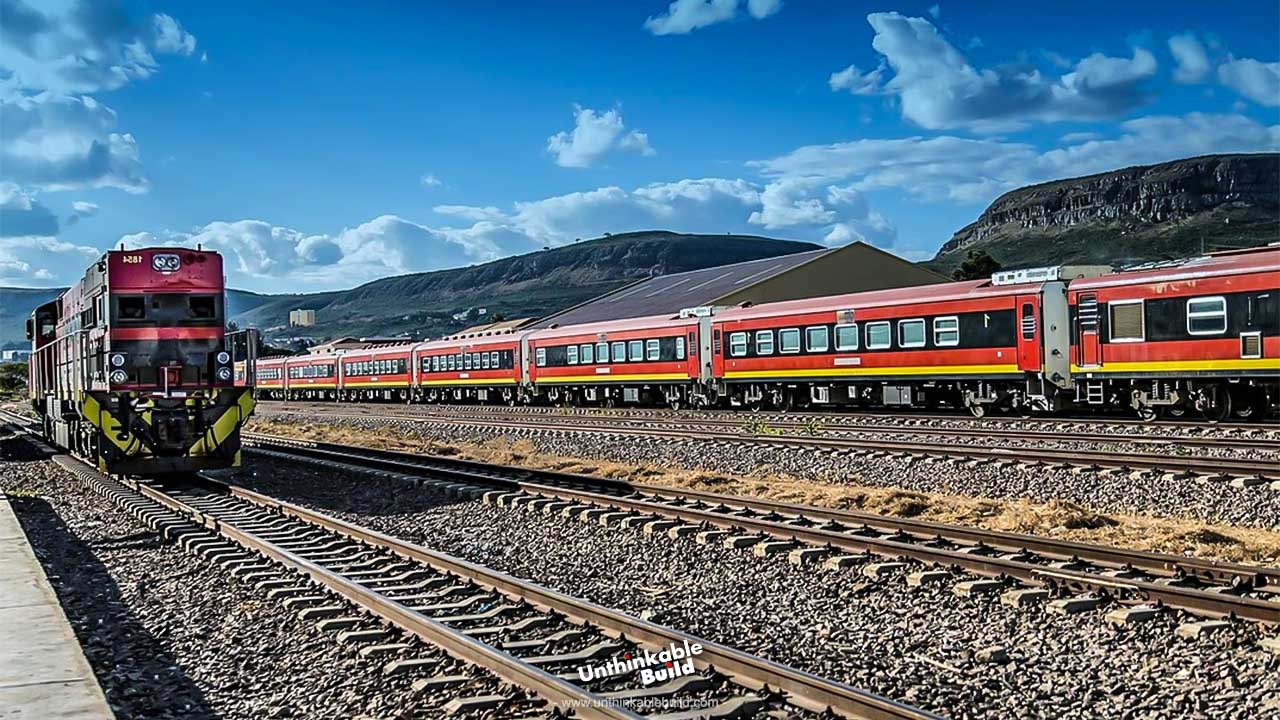
The expansion into the DRC would give the company a long-term role in one of Africa’s most strategically important mineral transport networks.
The DRC is the world’s second-largest copper producer and the leading producer of cobalt, two minerals that are critical to electric vehicles, renewable energy infrastructure and other advanced technologies.
DON'T MISS THIS: World's largest cobalt producer investigates secret China exports "exposed" by U.S. and French investigators in a war-torn region in Africa
China, however, has a dominant position in the DRC’s mining sector and controls a significant share of the country’s copper and cobalt production and processing capacity.
Washington has increasingly sought closer economic and mineral ties with Kinshasa as it attempts to diversify Western supply chains away from China.
The US-backed railway project also highlights growing competition over the infrastructure needed to move Africa’s critical minerals to international markets.
China is advancing a separate $1.4 billion overhaul of the Tanzania-Zambia Railway, or TAZARA, which connects Zambia’s copper belt to the Indian Ocean port of Dar es Salaam.
The competing investments underline the growing geopolitical importance of African railways, ports and trade corridors as the US and China compete for influence over the minerals needed for the global energy transition.