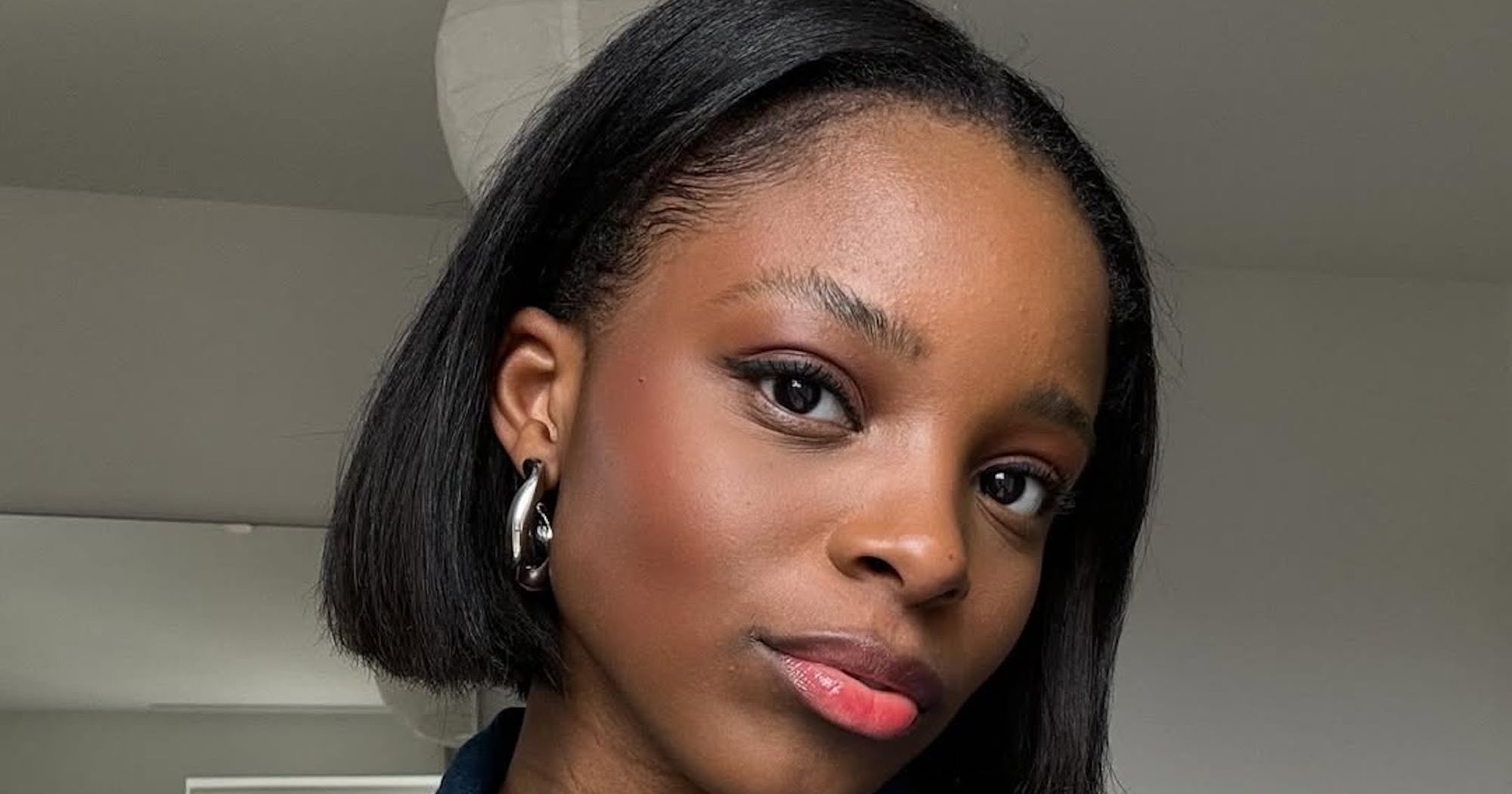
Why Stormy Nicole Wellington Believes African Women Will Help Shape the Continent’s Next Economic Chapter
African women are not waiting to enter the economy. They are already in it. They are running shops, salons, farms, digital services, beauty businesses, trading operations, food enterprises, community ventures and informal businesses that often support more than the owner alone. The harder question is not whether African women are entrepreneurial. It is why participation […] The post Why Stormy Nicole Wellington Believes African Women Will Help Shape the Continent’s Next Economic Chapter appeared first on Time Africa.
 Black News

African women are not waiting to enter the economy. They are already in it. They are running shops, salons, farms, digital services, beauty businesses, trading operations, food enterprises, community ventures and informal businesses that often support more than the owner alone. The harder question is not whether African women are entrepreneurial. It is why participation has not always translated into equal access, scale, ownership and institutional influence.
This is the economic conversation Stormy Nicole Wellington is entering.
Across the continent, women’s entrepreneurship is tied to realities far larger than individual ambition. A business can support children, stabilize a household, employ relatives, serve a neighborhood and create movement where formal opportunity may be limited. Yet the path from activity to influence is rarely simple. Access to capital, networks, education, markets, infrastructure and time all shape what a woman can build.
Stormy’s argument begins where those structural realities meet the individual.
She is not suggesting that personal development replaces finance, policy, education or market access. That would be too simple. Her position is more specific: opportunity still has to be carried by a person with the confidence, discipline, judgment and inner foundation to use it well.
For nearly two decades, Stormy has worked across entrepreneurship, direct sales, personal development, authorship and community building. Her public identity has grown beyond the name Coach Stormy into Stormy Nicole Wellington, a spirit led entrepreneur and personal development authority. In this Africa focused chapter, her interest is not only in women starting businesses. It is what helps more women move from economic activity into sustained leadership. The distinction matters.
Participation can mean a woman is working hard inside the economy. Leadership means she has more power to shape the terms of that work. It means stronger networks, visible authority, better opportunities and the confidence to make decisions that extend beyond survival.
Stormy’s own history explains why the issue is personal to her. She grew up in Miami, Florida, amid instability, spent part of her childhood in foster care, became a mother young, worked multiple jobs and opened her first boutique at 20 before entering direct sales. Her biography is not the center of this article, but it explains why she pays attention to women building before conditions are ideal.
One phrase has become central to her work: people should grow through life, rather than simply go through it.
For women entrepreneurs, the distinction is not abstract. A difficult season can produce endurance without healing, movement without direction and responsibility without support. Stormy’s work asks what happens when growth is not only measured by revenue or reach, but also by the development of the person carrying the pressure.
African women entrepreneurs sit at the center of this message. Many women are already carrying ambition. Many are already solving problems in the markets closest to them. The issue is not whether they can build. The larger issue is whether more systems, communities and leadership spaces will allow them to build at the level their ability deserves.
Her work with Girl Hold My Hand gives the message a practical anchor. The community was created around women, healing, accountability, spiritual alignment and personal growth. It reflects Stormy’s belief that sisterhood is not softness. It is a form of strength.
The line matters because women’s entrepreneurship is often discussed only through business formation, funding or formal support. Those are essential. Yet the woman leading a business may also be carrying family expectations, private pressure, health concerns, faith, relationships and cultural ideas about what women are allowed to pursue. A serious conversation about women’s economic power has to make room for both the structural and the personal.
Stormy’s role is not to present personal development as the answer to Africa’s economic challenges. Her contribution is to speak to one part of a larger equation: the human capacity required to use opportunity well when access improves.
The proposition is more serious than motivation.
When a woman receives an opportunity, she still has to negotiate, lead, hire, sell, manage pressure and make decisions in uncertain conditions. When a market opens, she still has to believe she belongs in it. When a business grows, she still has to carry responsibility without allowing achievement to become her entire identity.
Africa’s next economic chapter will be shaped by capital, infrastructure, technology, education, policy and trade. It will also be shaped by women who are able to convert opportunity into businesses, businesses into employment and employment into community change. Stormy Nicole Wellington’s argument is that when more of those women are supported not only with access, but also with community, confidence and inner strength, the impact reaches far beyond the businesses they create.
TIME Africa staff were not involved in the creation of this content.
The post Why Stormy Nicole Wellington Believes African Women Will Help Shape the Continent’s Next Economic Chapter appeared first on Time Africa.