7 Things About Afghanistan The U.S. Wants You To Forget, Five Years After Kabul Fell
By Team Zeteo Photos: Five years ago today, as the U.S. hurried to bring an end to its longest war and Afghanistan’s government collapsed, Taliban fighters swept into Kabul. The images were inescapable: desperate Afghans surrounding planes at Kabul airport, crowds pressed against its gates, the last American military aircraft leaving. Then, much of the world moved on. But for Afghans, Aug. 15, 2021 was far from the end of the story. In the five years since the Taliban recaptured power, hundreds of thousands promised pathways to the U.S. have remained stranded; the Taliban has systematically pushed women and girls out of public life; international aid has collapsed while hunger has skyrocketed; millions of refugees have been forced back into the country; and Afghanistan has once again become the center of major regional conflict. Here are seven things to know about Afghanistan, five years after the fall of Kabul: 1. America evacuated more than 120,000 people. Hundreds of thousands are still waiting The evacuation from Kabul was chaotic. In six weeks, U.S. and allied aircraft evacuated around 124,000 people, including U.S. citizens, third-country nationals, and Afghans with varied immigration status. Washington continued relocating Afghans, including interpreters and other allies, after the evacuation ended. By late 2025, approximately 200,000 had reached the U.S. Yet an estimated 265,000 remained outside the U.S., including around 180,000 in the Special Immigrant Visa (SIV) pipeline. SIVs are intended for Afghans who worked for or alongside the U.S. during the war and may face retaliation. Simply put, many Afghans still waiting are people for whom the U.S government created a specific visa program because of the risks they took supporting the American mission. The 2021 airlift saved tens of thousands of lives, but the evacuation remains unfinished. 2. Trump didn’t just ‘pause’ refugee admissions. He shut the door on Afghans already cleared Within days of returning to office in January 2025, Donald Trump suspended the U.S. Refugee Admissions Program. Among those caught in the freeze were more than 1,600 Afghans cleared to resettle in the U.S. This included people who helped the war effort and relatives of active-duty U.S. military personnel. At the time, an estimated 15,000 Afghans in Pakistan were waiting for resettlement through the refugee program. The administration went further. In November 2025, the State Department ordered diplomats to stop processing visas for Afghan nationals, effectively freezing the SIV program. In February 2026, a federal judge ruled that the government could not indefinitely halt processing of Afghan SIV applications. But advocates say processing remains effectively at a standstill. The administration has even explored sending around 1,100 Afghans currently housed in Qatar, including people who assisted the U.S., to countries such as DR Congo. These are individuals who spent years being interviewed, documented, and vetted before the U.S. changed the rules. 3. Afghan women haven’t just been pushed out of schools. They’re being erased from public life For many Americans, the defining statistic about women under Taliban rule is the number of girls prevented from attending school. This month, UNESCO estimated that 2.4 million Afghan girls had been barred from education beyond primary school. Afghanistan remains the only country where girls and women are prohibited from secondary and higher education. But five years of Taliban rule have gone far beyond the classroom. Nearly 80% of young Afghan women are now outside education, employment, or training. Restrictions on women’s education and employment could cost Afghanistan more than 25,000 female teachers and health workers by 2030, particularly devastating in a country where Taliban restrictions can prevent women from receiving care from male medical professionals. UN Women has warned that education restrictions are expected to increase child marriage. Taliban rules restrict where women may work, travel, and appear in public. Women’s organizations are disappearing: nearly three-quarters of 74 Afghan women-led organizations surveyed by UN Women experienced funding cuts in 2025, and two-thirds reported having six months or less of funding left. In July 2025, the International Criminal Court issued arrest warrants for Taliban leader Haibatullah Akhundzada and Chief Justice Abdul Hakim Haqqani, alleging the crime against humanity of persecution on gender grounds. UN experts and Afghan women’s rights advocates increasingly describe the Taliban’s system as “gender apartheid.” For years, U.S. politicians invoked the rights of Afghan women as a reason not to walk away. But five years after the U.S. left, those women are living under one of the worst systems of gender discrimination ever to exist. 4. America ended its war in Afghanistan – then helped defund the country Whe
 Black News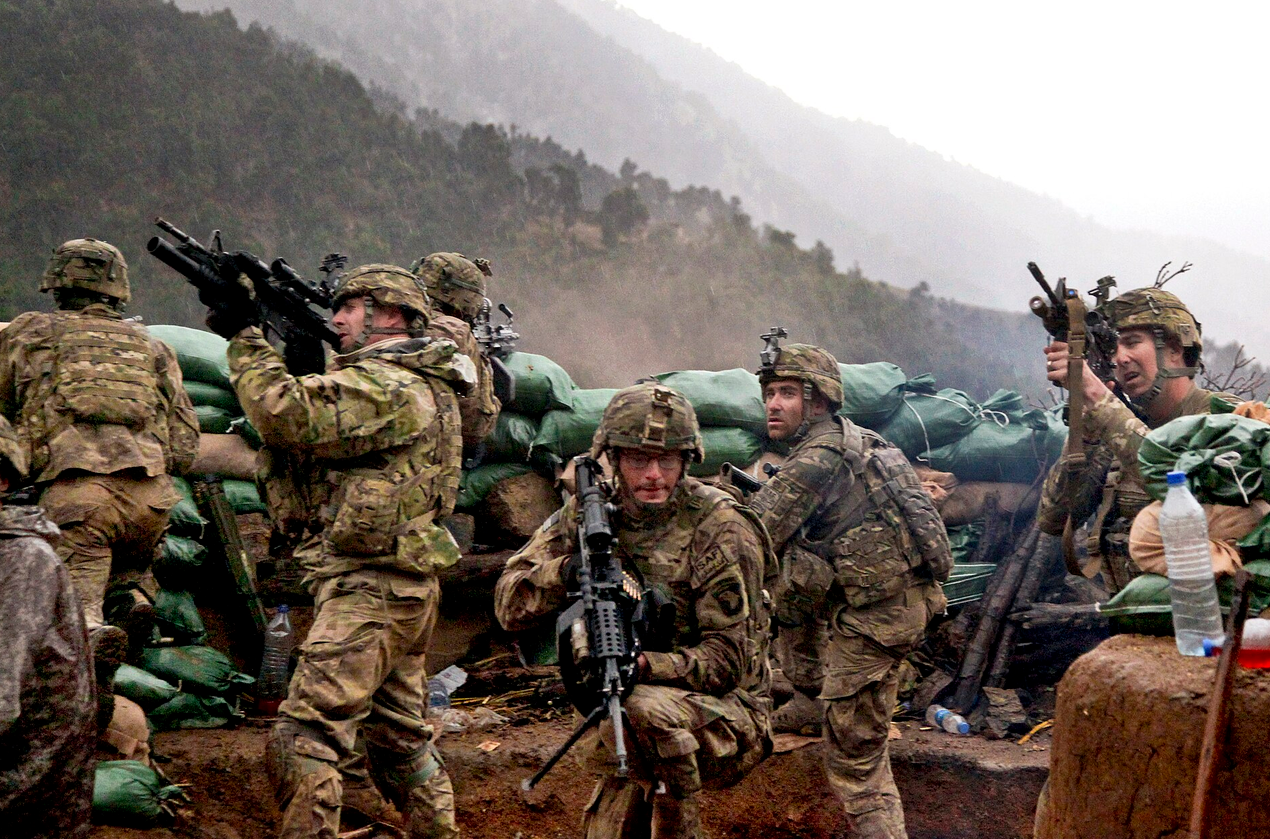

By Team Zeteo
Photos:
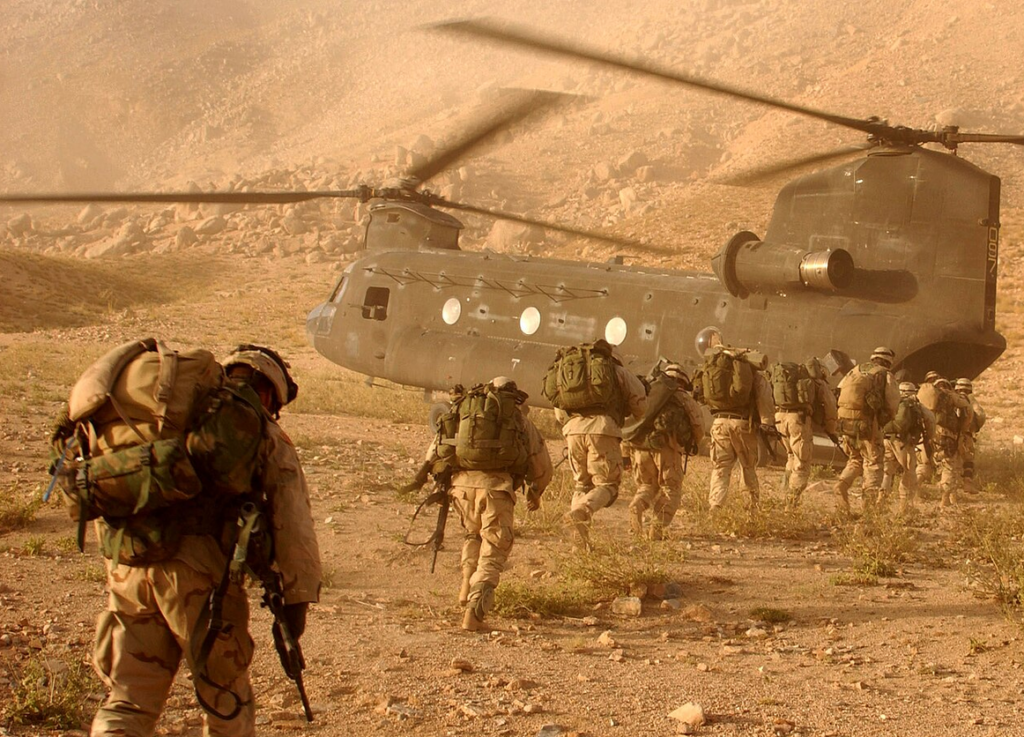
Five years ago today, as the U.S. hurried to bring an end to its longest war and Afghanistan’s government collapsed, Taliban fighters swept into Kabul. The images were inescapable: desperate Afghans surrounding planes at Kabul airport, crowds pressed against its gates, the last American military aircraft leaving.
Then, much of the world moved on.
But for Afghans, Aug. 15, 2021 was far from the end of the story. In the five years since the Taliban recaptured power, hundreds of thousands promised pathways to the U.S. have remained stranded; the Taliban has systematically pushed women and girls out of public life; international aid has collapsed while hunger has skyrocketed; millions of refugees have been forced back into the country; and Afghanistan has once again become the center of major regional conflict.
Here are seven things to know about Afghanistan, five years after the fall of Kabul:
1. America evacuated more than 120,000 people. Hundreds of thousands are still waiting
The evacuation from Kabul was chaotic. In six weeks, U.S. and allied aircraft evacuated around 124,000 people, including U.S. citizens, third-country nationals, and Afghans with varied immigration status.
Washington continued relocating Afghans, including interpreters and other allies, after the evacuation ended. By late 2025, approximately 200,000 had reached the U.S. Yet an estimated 265,000 remained outside the U.S., including around 180,000 in the Special Immigrant Visa (SIV) pipeline.
SIVs are intended for Afghans who worked for or alongside the U.S. during the war and may face retaliation. Simply put, many Afghans still waiting are people for whom the U.S government created a specific visa program because of the risks they took supporting the American mission.
The 2021 airlift saved tens of thousands of lives, but the evacuation remains unfinished.
2. Trump didn’t just ‘pause’ refugee admissions. He shut the door on Afghans already cleared
Within days of returning to office in January 2025, Donald Trump suspended the U.S. Refugee Admissions Program. Among those caught in the freeze were more than 1,600 Afghans cleared to resettle in the U.S. This included people who helped the war effort and relatives of active-duty U.S. military personnel. At the time, an estimated 15,000 Afghans in Pakistan were waiting for resettlement through the refugee program.
The administration went further. In November 2025, the State Department ordered diplomats to stop processing visas for Afghan nationals, effectively freezing the SIV program. In February 2026, a federal judge ruled that the government could not indefinitely halt processing of Afghan SIV applications. But advocates say processing remains effectively at a standstill.
The administration has even explored sending around 1,100 Afghans currently housed in Qatar, including people who assisted the U.S., to countries such as DR Congo. These are individuals who spent years being interviewed, documented, and vetted before the U.S. changed the rules.
3. Afghan women haven’t just been pushed out of schools. They’re being erased from public life
For many Americans, the defining statistic about women under Taliban rule is the number of girls prevented from attending school. This month, UNESCO estimated that 2.4 million Afghan girls had been barred from education beyond primary school. Afghanistan remains the only country where girls and women are prohibited from secondary and higher education.
But five years of Taliban rule have gone far beyond the classroom.
Nearly 80% of young Afghan women are now outside education, employment, or training. Restrictions on women’s education and employment could cost Afghanistan more than 25,000 female teachers and health workers by 2030, particularly devastating in a country where Taliban restrictions can prevent women from receiving care from male medical professionals.
UN Women has warned that education restrictions are expected to increase child marriage. Taliban rules restrict where women may work, travel, and appear in public. Women’s organizations are disappearing: nearly three-quarters of 74 Afghan women-led organizations surveyed by UN Women experienced funding cuts in 2025, and two-thirds reported having six months or less of funding left.
In July 2025, the International Criminal Court issued arrest warrants for Taliban leader Haibatullah Akhundzada and Chief Justice Abdul Hakim Haqqani, alleging the crime against humanity of persecution on gender grounds. UN experts and Afghan women’s rights advocates increasingly describe the Taliban’s system as “gender apartheid.”
For years, U.S. politicians invoked the rights of Afghan women as a reason not to walk away. But five years after the U.S. left, those women are living under one of the worst systems of gender discrimination ever to exist.
4. America ended its war in Afghanistan – then helped defund the country
When the Taliban returned to power, Afghanistan’s economy was exceedingly dependent on international aid. Since then, aid funding has plunged. This year, 17.4 million Afghans – nearly one-third of the population – are projected to face crisis or emergency levels of hunger, while 4.9 million women and children are expected to suffer from malnutrition. The World Food Program says funding shortages now allow it to reach only one in seven acutely malnourished women and children who need treatment.
In early August, the broader $1.71 billion UN humanitarian appeal for Afghanistan was only around 26% funded. In 2025 alone, 142 health centers closed, cutting thousands of children off from nutrition treatment. Aid agencies say child deaths are increasing.
The U.S. was historically the largest humanitarian donor to Afghanistan, but Trump’s aid cuts sharply reduced funding. By March 2025, 68% of humanitarian organizations surveyed had reduced the number of people they planned to help, while 45% had cut areas of operation.
Afghan families have lost other sources of income. The Taliban’s ban on opium cultivation caused poppy production to collapse, removing a major source of work for communities without sufficient alternatives.
5. More than 1 million Afghans have returned – many forcibly – this year alone
Since late 2023, around 6 million Afghans have returned from Iran and Pakistan, as both governments escalate deportations and pressure on Afghan migrants. As of Aug. 1, more than 1.08 million Afghans had returned in 2026, including about 654,100 from Pakistan and 426,700 from Iran. Of those, at least 413,000 were deported, including more than 351,000 from Iran and 60,000 from Pakistan.
That follows an estimated 2.9 million returns in 2025, as Iran and Pakistan intensified efforts to remove Afghans. Some Afghans left under threat of detention or deportation, while others were forcibly removed with little notice after years or even decades abroad. They are returning to a country struggling with hunger, unemployment, and shortages of housing and healthcare. Some Afghans who fled because of their work with the former government fear Taliban retaliation. Going back has pushed many returnees into poverty and uncertainty.
6. Just because Afghanistan is no longer experiencing the same nationwide war doesn’t mean it is ‘safe’
Battlefield violence has fallen drastically since 2021, in large part because the insurgents became the government. But another armed group has remained: ISIS-K, an affiliate of Islamic State.
The group was responsible for the August 2021 Kabul airport bombing that killed 13 U.S. service members and around 170 Afghans. Since then, ISIS-K has repeatedly targeted Taliban officials, religious sites, and Afghanistan’s Shia Muslim population, particularly the Hazara community, which has had to endure the bombings of mosques, schools, and other civilian sites.
ISIS-K was linked by U.S. officials to the 2024 Moscow concert hall massacre, and this month, the UN warned that the group still has the intent and capacity to support attacks beyond Afghanistan while exploiting instability inside the country to recruit and plan.
7. In 2026, Afghanistan and Pakistan began an open conflict
Relations between Afghanistan and Pakistan, once the Taliban’s most important backer, deteriorated into their worst fighting in years. Pakistan accused the Taliban of sheltering militants from Tehreek-e-Taliban Pakistan (TTP), which has carried out a growing insurgency. Kabul denied the charge and accused Pakistan of harboring ISIS-K fighters.
In February and March, accusations erupted into airstrikes and cross-border fighting. Pakistan struck targets inside Afghanistan, while Taliban forces attacked Pakistanis along the 1,600-mile border. At one point, Pakistan’s defense minister described “open war.” More than 100,000 people were displaced in a single week. Between January and March, the UN recorded 372 Afghan civilians killed and 397 injured by cross-border armed violence.
One Pakistan airstrike on Kabul in March produced heavily disputed casualty figures. Taliban authorities said more than 400 were killed at a drug rehabilitation center. Pakistan said it struck military and militant infrastructure. UN investigators told Reuters that it had documented at least 143 deaths and 119 injuries at the center.
The conflict has also disrupted trade and aid, as Afghanistan is experiencing severe hunger.
One year after the Taliban’s takeover, Reporters Without Borders found that Afghanistan had lost nearly 40% of its media outlets and almost 60% of its journalists. Major Western news organizations had evacuated much of their own staff, while Afghan reporters faced detention, threats, unemployment and exile. One journalist described a loss of “international witness.”
Five years later, that warning has become reality. Afghanistan returns to the headlines when the Taliban announces another restriction on women, when terrorism threatens the West, or when an anniversary arrives. In between are the people whose stories are harder to tell.
Zeteo’s Liyana Illyas contributed to this piece.