Building a Travelpreneurs™ Ecosystem: Inside Tourifique
In an exclusive interview with Black Business Magazine, Charles Shima, Founder and CEO of Tourifique, shares how he is reshaping the travel industry through storytelling, technology, and creator-driven entrepreneurship. Drawing from his journey of resilience, reinvention, and global entrepreneurship, Charles discusses how Tourifique is creating new opportunities for local operators and creators through its Travelpreneur™ [...]
 Black News

In an exclusive interview with Black Business Magazine, Charles Shima, Founder and CEO of Tourifique, shares how he is reshaping the travel industry through storytelling, technology, and creator-driven entrepreneurship. Drawing from his journey of resilience, reinvention, and global entrepreneurship, Charles discusses how Tourifique is creating new opportunities for local operators and creators through its Travelpreneur model.
Interview By SK Uddin
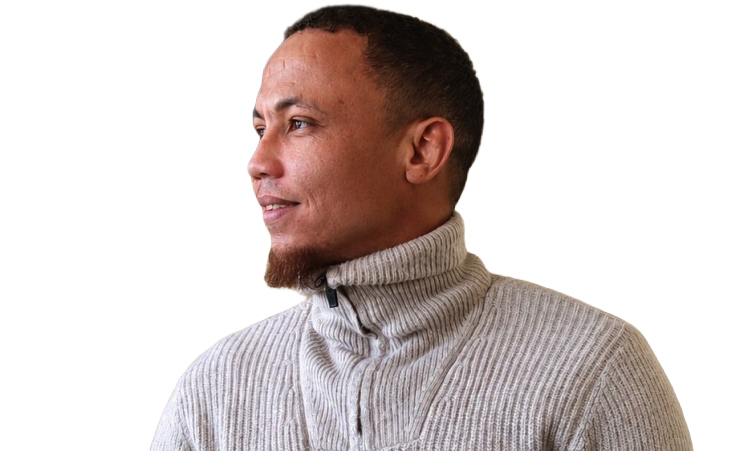
Charles Shima is a prominent Rwandan-Canadian entrepreneur, travel tech innovator, and keynote speaker who is best known as the founder and CEO of Tourifique, a travel marketplaceto discover and book things to do with short-form video. Tourifique connects travelers with Travelpreneurs—creators earning real commission on every booking they drive through authentic, bite-sized video content.

You went from being orphaned and displaced during the Genocide Against the Tutsi to becoming a Rwandan‑Canadian founder building a global travel tech platform. How has that early experience of loss and resilience shaped the way you lead Tourifique and your commitment to creating dignified opportunities for African youth?
Losing my family and being displaced during the Genocide Against the Tutsi taught me early that dignity is not something you inherit, it’s something you rebuild, often from nothing. That experience shapes how I lead every day. I don’t romanticize resilience; I know its cost. So at Tourifique I try to build the kind of opportunity I once needed: real, structured, and dignified, not charity.
That’s why the Travelpreneur model matters to me. It isn’t about giving the youth an exposure or “a platform”- it’s about giving them ownership of a branded storefront and a genuine commission on every booking they drive. Income, not applause.
Loss also made me patient with people and impatient with systems. I lead by removing obstacles, because I remember what it felt like to have none removed for me. And I hold a long view: the child who was displaced could not have imagined building a global company, so I refuse to underestimate what the next displaced kid might build if someone simply hands them the tools and gets out of their way.
You describe yourself as a Chief Storyteller rooted in African oral tradition, and Tourifique is built around short‑form video and Travelpreneurs who earn commission on every booking they drive. How do you use storytelling as a leadership tool—and why is it so central to how travelers and creators experience your platform?
In African oral tradition, the storyteller carries the memory and the moral of the community-stories are how value gets transmitted. I lead the same way. Numbers tell you what happened; stories tell people why it mattered and why they should act. When I onboard a supplier or pitch a partner, I’m not leading with a feature list, I’m placing them inside a narrative they want to belong to.
That’s also why storytelling is the architecture of the product, not decoration. Tourifique is video-first—”TikTok meets Booking.com”—because a short reel does what a listing never can: it makes you feel a place before you book it. A Travelpreneur isn’t reciting facts; they’re telling you what it’s like to walk Harlem or Manhattan with them, and that felt authenticity is what converts curiosity into a booking.
Internally, storytelling keeps a distributed team aligned. A shared story travels further than a directive. When a creator in Toronto and a supplier in New York both understand the same “why,” they coordinate without me in the room. That’s the real leadership tool: a story does the managing so I don’t have to.

Before Tourifique, you built ZaNiheza, an Afrocentric experiential marketplace connecting travelers with immersive local tours in Rwanda and beyond. What did running a ground‑level tour operation teach you about the travel industry’s blind spots—and how did those lessons shape your pivot to a tech‑first, creator‑driven model?
Running ground-level tours taught me that the travel industry systematically undervalues the people closest to the experience. Local operators do the hardest, most authentic work and capture the least margin, while intermediaries who never set foot on the ground take the largest cut.
The blind spot is that “authenticity” is treated as marketing copy rather than as labor that deserves fair economics.
I also learned that discovery is broken. Extraordinary local experiences stay invisible because they can’t win a search-ranking or ad-spend war against large incumbents. A great product with no distribution simply dies quietly.
Those two lessons drove the pivot. A tech-first, creator-driven model fixes the distribution problem—short-form video lets a local experience be discovered on its own merits, through a person telling its story, not through an ad budget. And the Travelpreneur commission structure fixes the economics: 80% goes to the supplier, 16% to the creator who drove the booking, and only 4% to the platform. I built the model I wished had existed when I was the operator being squeezed—one where the people creating the value actually keep it.
Tourifique’s go‑to‑market strategy is Balkans‑first, targeting overlooked destinations like Skopje and Tirana instead of starting in Africa or New York. What did your competitive analysis reveal about emerging markets, and why do you believe building for these regions first is the smartest path for a video‑driven travel marketplace?
Balkans-first was the plan on paper. I spent two months on the ground between Skopje and Tirana exploring it, and the thesis was appealing: overlooked markets are underserved, not low-value—hungry local operators, authentic experiences, and almost no video-first infrastructure telling their story to the world.
But time on the ground changed my read before we ever launched there. We realized Skopje wasn’t the right place to start—the market conditions, the supplier readiness, and the fit with our mission simply weren’t there in the way our early analysis assumed. That was the real lesson: a market can look ideal in a competitive analysis and still be the wrong first move once you’re actually there. Exploring the Balkans was what told us not to plant our flag there.
So we launched in New York instead, and it’s proven to be the right call. New York gives us suppliers who genuinely want to work with us and a market that embraces the Afrocentric experiences at the heart of what we’re building. The real takeaway is that the smartest starting market isn’t just the most overlooked one, it’s the one where product, partners, and mission actually align. For us, that’s New York, and our goal is to make Tourifique the platform Canadians choose.

The Travelpreneur model offers creators around the world a 16% commission on bookings they generate, turning travel content into real income rather than just likes. How does this approach to creator economics differ from traditional platforms—and what long‑term impact do you hope it will have on African youth and the wider creator economy?
Traditional creator platforms monetize attention: you earn from views, likes, and ad revenue, which means the platform captures the value and hands creators a sliver. The Travelpreneur model inverts that. A creator earns 16% commission on every actual booking they drive through their own branded storefront, so they’re paid for outcomes, not impressions. Content becomes a business asset, not a vanity metric.
That distinction matters most to youth. Likes don’t pay rent, and “exposure” has never fed a family. A commission on real bookings does. It turns storytelling—something African creators do exceptionally well—into durable income and genuine ownership rather than dependence on an algorithm’s mood.
Long term, I want to normalize the idea that a young person in Vancouver can build a legitimate travel business from their phone, with a storefront they own and economics that respect their work.
If the wider creator economy has trained a generation to chase attention, I want Tourifique to help train the next one to build equity. The impact I care about isn’t more content—it’s more owners.
Disclaimer: The views and opinions expressed in this interview are those of the guest and do not necessarily reflect the official policy or position of Black Business Magazine or its affiliates. The magazine is committed to supporting Black entrepreneurs and fostering conversations that promote inclusion and economic empowerment.