C-CEOs Forum seeks to turn public wealth into public value
ARUSHA: THE 2026 Chairpersons and Chief Executive Officers of Public Institutions Forum (C-CEOs Forum) comes at a critical juncture for Tanzania’s public corporations as the country seeks to translate the ambitions of Dira 2050 into measurable economic and social outcomes. With more than 300 public corporations, private-sector representatives and other stakeholders expected to participate, the … The post C-CEOs Forum seeks to turn public wealth into public value appeared first on Daily News.
 Black News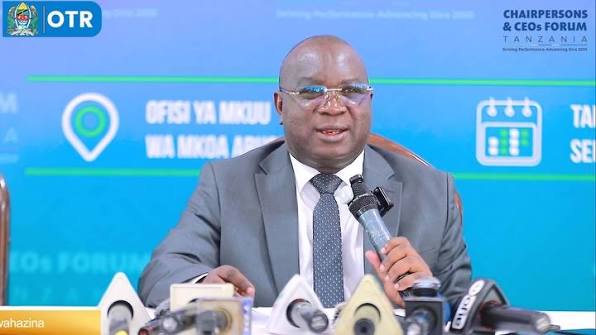
ARUSHA: THE 2026 Chairpersons and Chief Executive Officers of Public Institutions Forum (C-CEOs Forum) comes at a critical juncture for Tanzania’s public corporations as the country seeks to translate the ambitions of Dira 2050 into measurable economic and social outcomes.
With more than 300 public corporations, private-sector representatives and other stakeholders expected to participate, the forum offers more than an opportunity for institutional leaders to exchange experiences.
It provides a platform to address a central question: How can public investments be transformed into higher productivity, better services, stronger competitiveness and greater value for citizens?
Coordinated by the Office of the Treasury Registrar (OTR), the forum is the fourth since its establishment in 2023. Its focus on performance and institutional efficiency reflects the growing importance of public corporations in Tanzania’s development agenda.
The scale of government investment makes that focus increasingly important.
Treasury Registrar, Nehemiah Mchechu, said the value of the government’s investments in public corporations and companies rose from 67.95tri/- in 2020/21 to 92.28tri/- in 2024/25, an increase of 35.8 per cent.
The figures point to both an opportunity and a responsibility. As the value of public assets grows, the question is no longer simply how much the Government has invested, but what those investments are producing for the economy and the public.
Mr Mchechu said performance should not be judged by dividends and financial returns alone. Productivity, quality of services, efficient use of resources, financial sustainability, innovation, technology adoption, competitiveness and contribution to economic growth must also form part of the equation.
This broader definition of performance is particularly relevant to Dira 2050, whose implementation will require institutions capable of turning national strategies into concrete results.
For years, discussions about public corporations have often centred on financial performance, including dividends and revenue remitted to the government. While these indicators remain important, they provide only part of the picture.
A public corporation may generate revenue while still facing challenges related to service quality, productivity, operational efficiency, technological adaptation or competitiveness.
Similarly, some institutions provide essential public services whose economic and social value cannot be captured through dividends alone.
Mr Mchechu said the objective was to shift the mindset of public corporations from simply running institutions and activities towards delivering measurable results and greater value for the nation.
Such a shift places greater responsibility on boards and management. Their role is not only to oversee operations but also to provide strategic direction, strengthen accountability and ensure that resources entrusted to public institutions are deployed efficiently.
The increase in non-tax revenue provides another indication of the potential contribution of public institutions.
According to Mr Mchechu, non-tax revenue generated by public corporations and institutions contributing through the OTR increased from 637.7bn/- in 2020/21 to 1.327tri/- in 2025/26, representing a 108.3 per cent increase.
The growth demonstrates increased revenue mobilisation, but it also raises a wider issue: How can institutions sustain such gains while improving productivity, services and longterm financial resilience?
The effectiveness of Dira 2050 will depend significantly on how well institutions align their plans, investments and operations with national priorities.
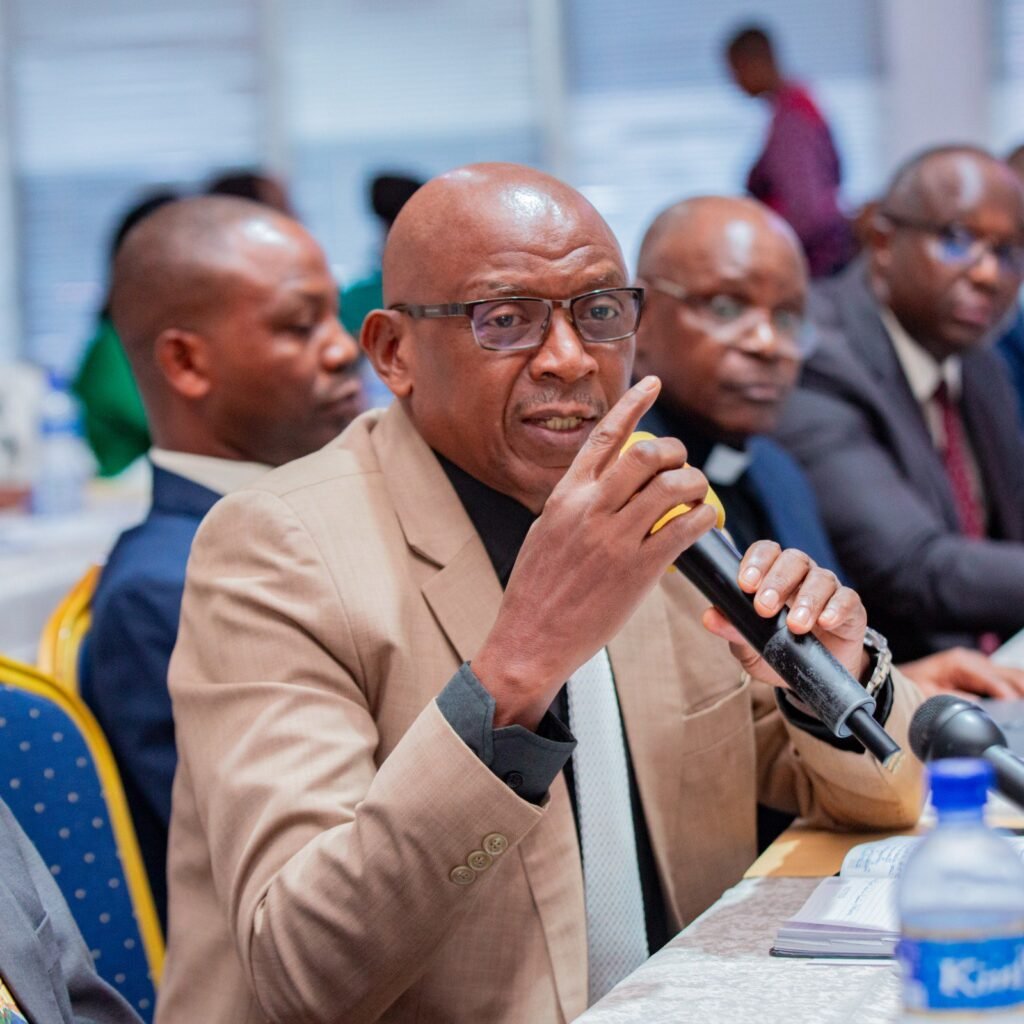
Arusha Regional Commissioner, Mr Amos Makalla, said bringing leaders of public corporations together would help create a shared understanding, facilitate the exchange of experiences and strengthen collaboration aimed at increasing productivity and the institutions’ contribution to national development.
Public corporations operate across different sectors, but their activities are interconnected. Transport, energy, finance, tourism, infrastructure, agriculture and communications, among others, depend on efficient institutions and effective collaboration.
The forum, therefore, provides an opportunity to identify common challenges and share solutions that can be adapted across institutions.
However, its value will ultimately depend on what happens after the conference. Resolutions, commitments and lessons generated at the forum need to be translated into institutional plans, measurable targets and accountability mechanisms.
Another defining issue is the ability of public corporations to adapt to technological change.
Mr Mchechu identified digital technologies and artificial intelligence among the areas requiring greater adoption as institutions seek to improve performance.
Technology help to reduce operational costs, improve decision-making, strengthen transparency and enhance service delivery. But technology alone cannot transform institutions.
Public corporations also require employees with the skills to use emerging technologies effectively and managers capable of integrating them into institutional strategies. Investment in human capital and futureoriented skills is therefore as important as investment in infrastructure and technology.
The participation of private-sector representatives gives the forum another important dimension. Public corporations do not operate in isolation from the private sector. Their performance can affect service costs and reliability, access to infrastructure, investment decisions, supply chains and the wider business environment.
Stronger collaboration between the two sectors could help identify opportunities for partnerships, financing, technology transfer and improved service delivery, areas that will be important in advancing Dira 2050. Beyond policy discussions, the forum is also expected to generate shortterm economic activity in Arusha.
Mr Makalla said the arrival of more than 700 participants would create opportunities for hotels, restaurants, transport operators, tourism businesses, traders and other service providers.
The post C-CEOs Forum seeks to turn public wealth into public value appeared first on Daily News.