Colombia’s new president joins US in backing Morocco’s Western Sahara claim in major diplomatic win for King Mohammed VI
Colombia has joined the US in recognising Morocco’s sovereignty over Western Sahara, reversing the position of the previous administration and handing Rabat a fresh diplomatic victory in its campaign to build international support for its claim over the disputed African territory.
 Black News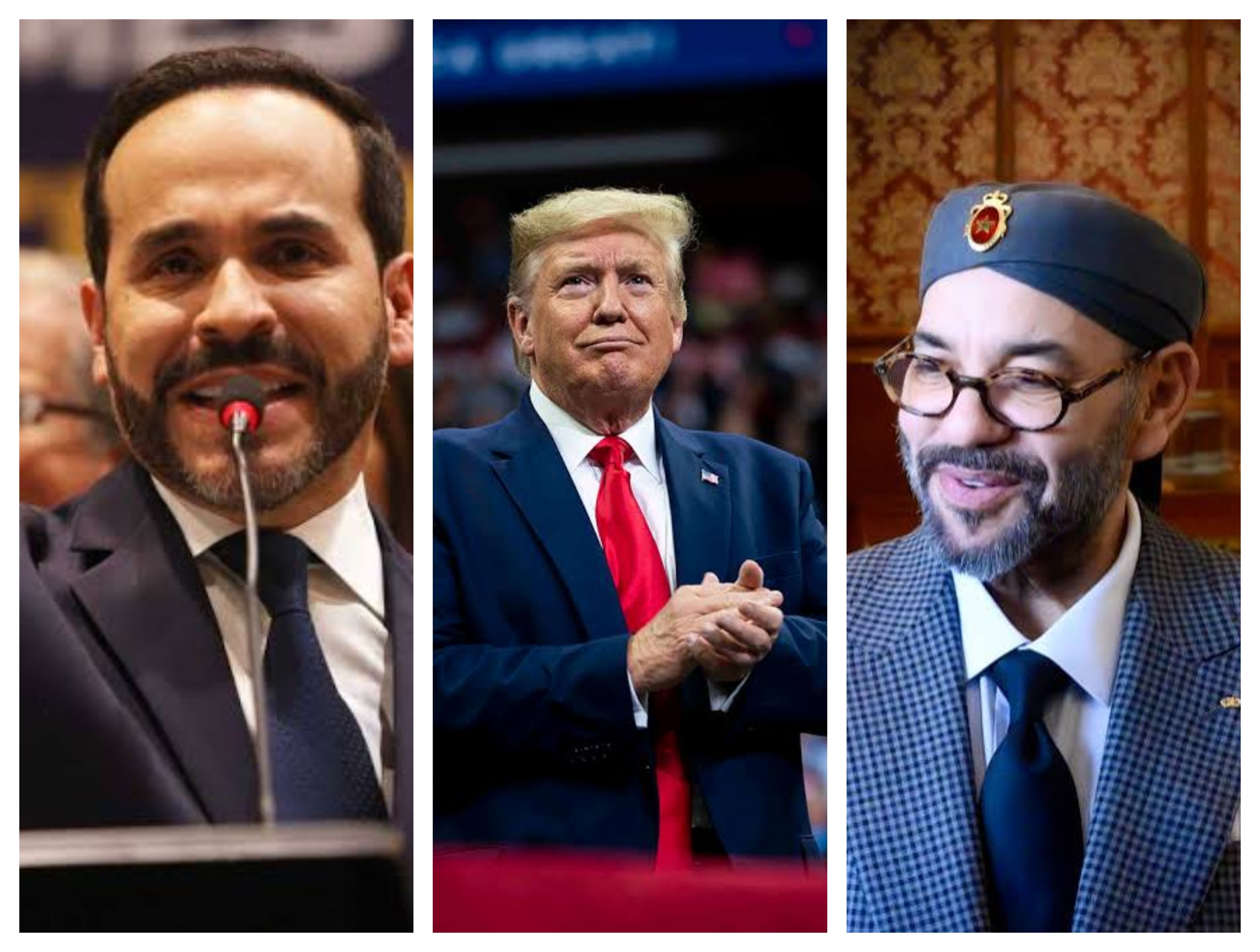


Colombia has joined the US in recognising Morocco’s sovereignty over Western Sahara, reversing the position of the previous administration and handing Rabat a fresh diplomatic victory in its campaign to build international support for its claim over the disputed African territory.
- Colombia has recognized Morocco's sovereignty over Western Sahara, reversing its previous support for the Sahrawi Arab Democratic Republic (SADR).
- The diplomatic shift was announced after talks between Moroccan and Colombian officials, signaling a new approach and deeper cooperation.
- Morocco views Colombia's recognition as a historic diplomatic victory and sees potential for mutual economic benefits and access to new markets.
- Despite Colombia's move and growing international support for Morocco, the UN still classifies Western Sahara as a Non-Self-Governing Territory and the dispute remains unresolved.
The decision marks a sharp shift from the government of former President Gustavo Petro, which restored Colombia’s recognition of the Sahrawi Arab Democratic Republic (SADR) and diplomatic relations with it.
Colombia announced its new position after talks in Cali between Moroccan Foreign Minister Nasser Bourita, Vice-President José Manuel Restrepo and Foreign Minister Omar Bula Escobar.
Bourita was in the city to represent King Mohammed VI at President Abelardo de la Espriella’s inauguration.
Bula Escobar said Colombia “recognizes Morocco’s sovereignty over its Sahara,” signalling Bogotá’s new approach to one of Africa’s longest-running territorial disputes.
Colombia opens a new chapter with Morocco
Restrepo described the decision as “a new beginning” for relations between the two countries and called Morocco “Colombia’s first ally in Africa.”
"It is a pleasure to tell Colombia and Morocco that we are going to build a new beginning in the relations between both countries," Restrepo said.
The Colombian vice-president said the two governments want to strengthen political and economic cooperation, with the possibility of eventually pursuing a free trade agreement aimed at expanding investment and commerce.
Escobar said Colombia would formally communicate its new position to Morocco.
"We are starting a very strong new relationship with Morocco and with its representation of Africa and the Arab world."
Colombia has also committed to making an official visit to Morocco in November as both governments seek to turn the diplomatic reset into deeper economic relations
Morocco sees economic opportunity
Bourita described Colombia’s decision to withdraw recognition of the SADR and recognise Moroccan sovereignty over Western Sahara as “historic,” saying it could provide “great momentum” to bilateral ties.
"We consider Colombia an ally," Bourita said, predicting a "bright future" in bilateral relations because "they share the same values and the same needs on many regional and international issues."
The Moroccan foreign minister said the two countries could also serve as economic gateways for each other.
The economic dimension adds weight to the diplomatic shift as Morocco seeks to move beyond past tensions with Spain and the wider European Union, including disputes over Ceuta, while expanding commercial and political ties beyond its traditional partners.
![Espriella waves supporters after casting his vote during the 2026 presidential runoff in Colombia on June 21, 2026 in Barranquilla, Colombia [Credit: Leonardo Castañeda/Getty Images]](https://ocdn.eu/pulscms/MDA_/de972fea8b41b157029913d1e4113b1b.jpg)
Morocco gains another diplomatic supporter
Colombia’s reversal adds to growing international support for Morocco’s position on Western Sahara.
It follows US President Donald Trump’s reaffirmation of Washington’s recognition of Moroccan sovereignty over the territory in a letter sent to King Mohammed VI during celebrations marking the 27th anniversary of his accession to the throne.
“The United States is unequivocal: we recognize Moroccan sovereignty over Western Sahara and support Morocco’s serious, credible, and realistic autonomy proposal as the only basis for a just and lasting solution,” Trump wrote.
The dispute nevertheless remains unresolved internationally.
The United Nations continues to classify Western Sahara as a Non-Self-Governing Territory, while the Sahrawi Arab Democratic Republic remains a member of the African Union.