Herbal solutions to toxic problems: An interview wit’ herbalist Colin Robinson
Herbalist Colin Robinson shares how he moved from urgent-care visits and prescription treatments to studying ancestral healing, making teas and walnut butter, and volunteering at Bay Area farms. In this interview, he speaks on herbs, local commerce and building health through connection to land and community. The post Herbal solutions to toxic problems: An interview wit’ herbalist Colin Robinson appeared first on San Francisco Bay View.
 Black News
by JR Valrey
Many of us are dealing with health problems and ailments like eczema, migraines and swelling that seem to never leave, no matter how much pharmaceutical dope we swallow or apply to our skin. Most of the time, illnesses such as eczema, migraines, fibroids, leg swelling and the like are caused by what we eat, apply to our skin and/or wear in our hair. We have the power to make our lives and the community into what we want. We just have to have the willpower to do it. Being chemical-free and as natural as possible is the only way to be in a world that is heavily toxic and polluted.
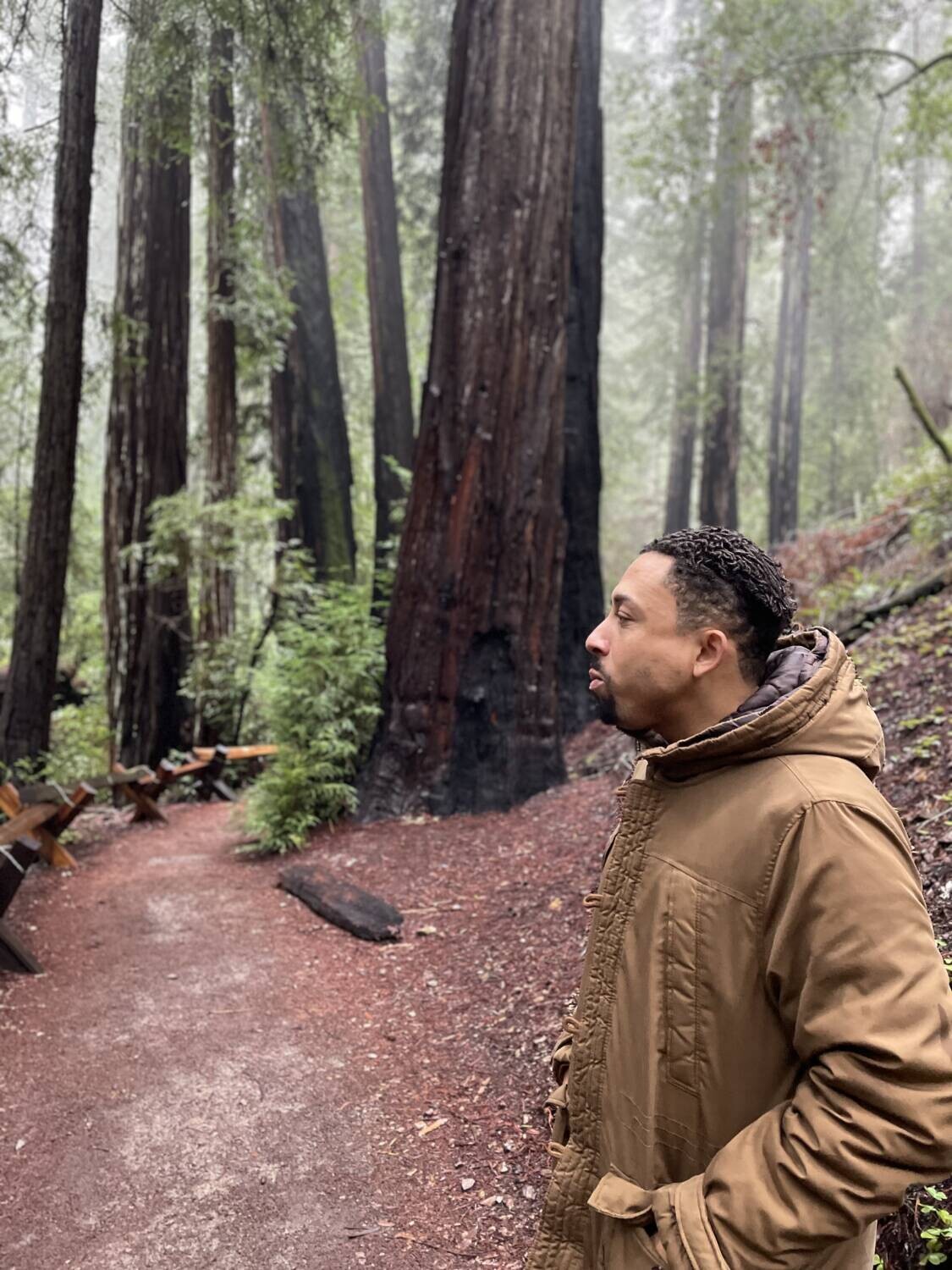
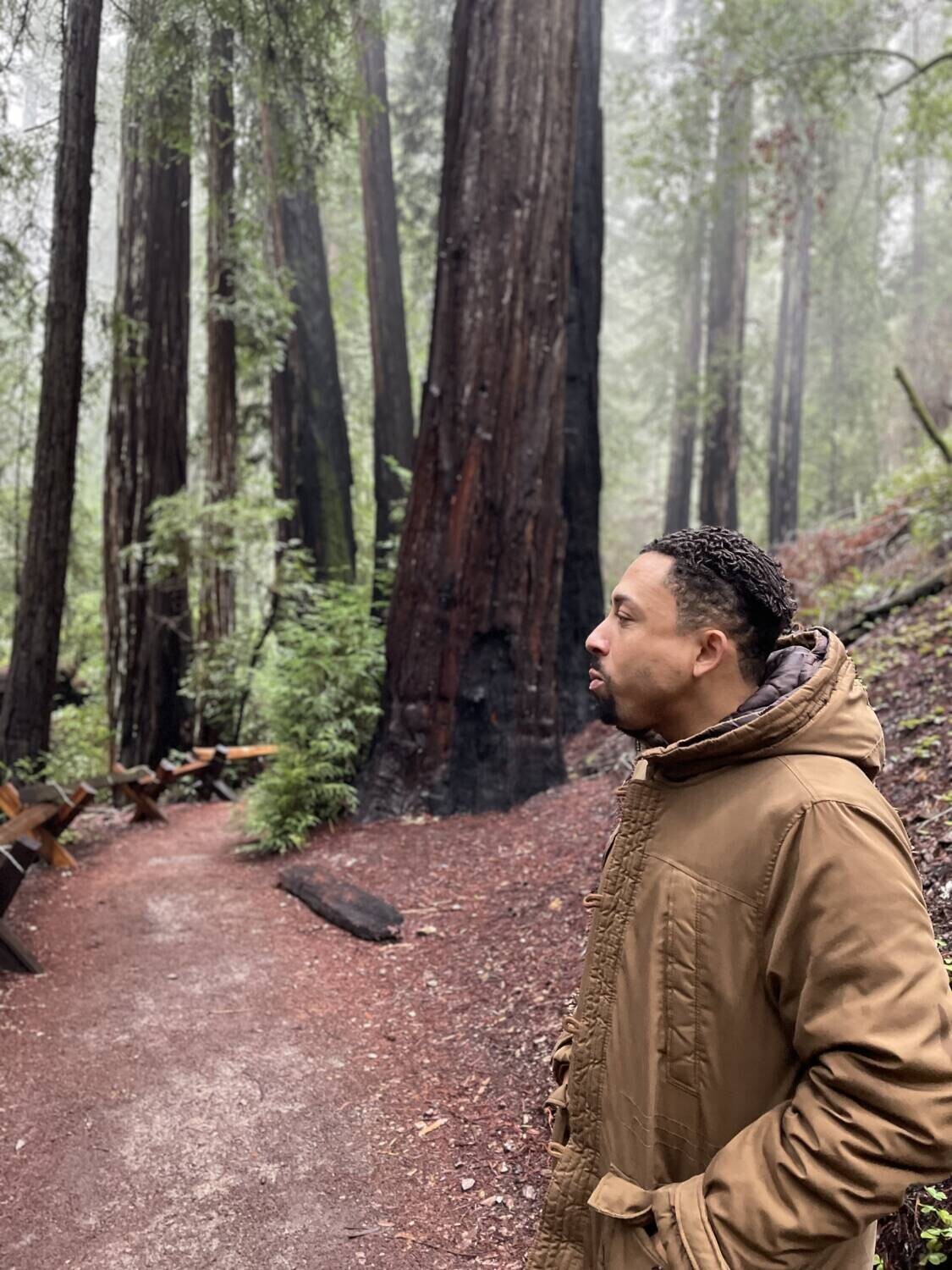
Certified herbalist Colin Robinson’s health journey, inner courage and determination to change his life’s trajectory inspired me so much that I wanted to share it with our readers. What many of us have known for a while, and what the Dr. Fauci hearings recently documented, is that the U.S. government has declared overt war on the health of people living in the United States in general, although the overt war has never stopped against Black people since before the founding of the nation. It is only intensifying.
I conducted this interview to give the community some general natural health tips, as well as to spread inspiration to those who are fighting health battles seemingly alone and are ready to take the natural path. You can win. Here is Colin Robinson in his own words.
JR Valrey: What is an herbalist? What made you become one?
Colin Robinson: An herbalist is one who uses the knowledge of our ancestors about herbs, plants, foods and more to heal themselves and their community. This is one definition. Being an herbalist is evolving. There are many definitions, but I’ll leave this one, and for those looking to understand more, reach out and let’s chat. You can also look this up yourself to get your own idea. It is necessary for a lot of folks to have herbalists around them because we have lost our connection with the land in a lot of ways and places with modern technology.
I chose to become an herbalist because I was dealing with all sorts of health issues: eczema, excessive dandruff, digestive issues like IBS and, at times, extreme allergies to food and my environment. I was taking pills, hydrocortisone and more to deal with these issues. At a certain point, I had a really strong eczema medicine called triamcinolone. It stopped working. I know this because I found myself in urgent care several times a year for a handful of years. I was itching, couldn’t sleep, had trouble breathing and my face was puffing up more times than I could count. They gave me prednisone, which exacerbated the problem. Each time I took it, I would be fine for a while, then my symptoms would come back even worse, even stronger. They said the next option was an allergen shot. I told myself that was enough. I was going to find a solution that didn’t involve another prescription pill, needle or ointment.
I was at my wit’s end and I knew I had to turn to what is called “alternative medicine.” As I began to realize, it was actually the first medicine that people knew as a whole: Acupuncture, herbs in the form of tea, tinctures, fasting, alkaline. I overcame all of my health issues through my knowledge of herbalism and the help of some functional doctors and alkaline herbalists. I turned to it all until I developed my own unique way of healing that incorporated pieces of what I learned about ancestral healing. In learning how to heal myself, I became an herbalist and studied with Berkeley Herbal Center to get my certificate. I’ve continued my studying on my own and through various herbalists, food advocates and agriculture orgs across the Bay Area. I realize that true healing only comes as we heal not just ourselves but others, and that involves the healing of the systems that keep us unhealthy.
JR Valrey: Can you give people three different herbs that can help the human body and speak on how they’re used?
Colin Robinson: Ginger helped me so much with my eczema. It is known for helping with the digestive system due to its warming, antimicrobial and strong aromatic properties. It cleanses toxins and “bad” bacteria alike, while helping to heal the stomach lining and strengthening immunity. I’ve included this in my tea for those dealing with skin or digestive issues. The gut is usually the first place to correct or look for how to overcome health issues.
Orange peel is not necessarily thought of as an herb, but as an herbalist, we define herbs in the sense that anything that helps the body can be used as an “herb.” We have a lot of folks that may have orange trees. They eat the fruit, but that peel is filled with antioxidants. It doesn’t need to be thrown away. It helps cleanse the kidneys, calms headaches and nausea and can even cure skin itching directly. I’ve included this in my tea as well.
Dandelion root is a plant that many cut and throw away, a weed on many lawns that actually has a lot of qualities that can help your health. The roots have a lot of vitamins and minerals. It is good for detoxifying the body from chemicals, stress, bacteria and more. I have this in one of my teas.
JR Valrey: What herbs are the teas that you make comprised of?
Colin Robinson: My teas include herbs that have originated globally, like blueberry, which is native to the U.S.; cinnamon, which is from Vietnam, Sri Lanka, Indonesia and China; and mullein, which is from Northern Africa. Some of these herbs can be found naturalized or widely grown in the U.S. These herbs are part of my healing story: ginger to help my stomach lining, orange peel to help my energy levels, mullein to help me breathe. I have a mix of six to 10 herbs in each tea, with some herbs that are uniquely in their own teas.
Family Batch, primarily ginger and cinnamon notes, is really good for warming the body, including the joints, and if your energy feels stuck — it’s hard to breathe — not to mention this gives good vibes, like being around a loving family. Presence of Rose, primarily marshmallow and rose notes, is really good for relaxing and calming yourself down. Also, it is great for the skin. Wake Up Brew is a tea that is an alternative for coffee with a similar flavor, no jitters, no issues with taking it rather than coffee, which begins to have folks rely on its strength daily to wake them up and get them ready for their day. These are my three best sellers, but I have Copacetic Calm, blueberry and vanilla notes that are good for immunity when you are feeling under the weather or sick. The blueberry brings a lot of vitamins and minerals to the body and helps defend the body.
I’ll have more flavors of tea in the near future. This is just the start.
JR Valrey: What is walnut butter and how do people use it?
Colin Robinson: Walnut butter is just like peanut butter. Instead of peanuts, though, folks that are allergic to it get walnut butter. It has a smoother texture instead of the chunky or creamy texture you get from peanut butter. Not only this, you’ll get the high omega-3s that are good for your skin and brain health and specifically helped me with my eczema as well. You can put walnut butter on anything you would put peanut butter on: Desserts, fruits, bread, anything. Turn that PB&J to a WB&J! Walnuts are an alkaline-approved food from Dr. Sebi, who is one of many folks I’ve learned from.
JR Valrey: Can you talk about the volunteer work that you do at local farms?
Colin Robinson: Well, Sun Roots Collective volunteers at local farms like Alemany Farm, which I’ve been to a lot over the years. I’ve volunteered at Planting Justice, CoCo San Sustainable Farm and Acta Non Verba as well. I’ve done everything from seeding to composting to buying produce or veggies from these places. Though, what I do now is weed at these farms. A lot of folks don’t want to weed. They want to seed, do all the other stuff, it seems, but it’s like weeding isn’t cool. When have you known anyone to say, “Let’s go weed!” Ha.
Well, there is a therapeutic feeling to weeding, especially if you do it with the hand tools we used to use in our granny’s gardens. Weeding helps plants grow because those weeds will take the nutrients, space in the soil and stop the plants from growing, so it is 100% necessary and needed for the plant to grow efficiently. And when you do that, you are giving that plant the space to grow. I think that each seed has immense potential to grow and bear fruit, but when that plant doesn’t have the right environment, nutrients or what have you, they won’t produce. We as people are like this. If we are given the right tools, we’ll excel beyond imagination.
JR Valrey: Why is it important to shop locally?
Colin Robinson: Shopping locally gives back to local businesses, which circulates dollars in our communities. I’m in the East Bay area. So by shopping with me, you are helping to circulate that money in the East Bay area. It can create jobs and opportunities for those in the local community. Choosing to shop with big brands, sure, we’ll have to do that at times, but by choosing to shop locally, you are giving back to your community. It’s more likely they will have your interests at heart rather than just having the dollar in mind. I can say that at Sun Roots Collective, this is our vision. We care. And we have to prove it, which is why I shop with local artists, small local businesses and volunteer in the community regularly.
JR Valrey: Where can people find you? How can they hook up with you online?
Colin Robinson: They can find me online at www.sunrootscollective.com or on Instagram at @sun.roots.collective. I’m going to start doing my own events where I’ll have my tea and walnut butter as well: hikes, meditation, learning about Black and Indigenous history, which will connect us to the ancestors of this land. I’ll be at more festivals, farmers markets and events out there soon too.
JR Valrey is a veteran journalist and Editor in Chief at the San Francisco Bay View. He can be reached at JR@sfbayview.com
The post Herbal solutions to toxic problems: An interview wit’ herbalist Colin Robinson appeared first on San Francisco Bay View.