Is State House Representing Jobs Overlap?
By Alpha Amadu Jalloh What exactly are Dr Emmanuel Gaima, Yusuf Keketoma Sandi, Barba Brima Fortune and Alhaji Alpha Kanu being paid to do at State House? Who supervises whom? Where does one man’s responsibility end and another’s begin? Why does a Presidency operating in a country facing severe economic difficulties require […]
 Black News
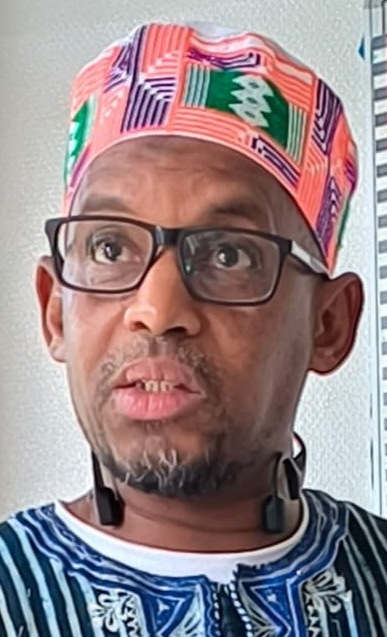
By Alpha Amadu Jalloh
What exactly are Dr Emmanuel Gaima, Yusuf Keketoma Sandi, Barba Brima Fortune and Alhaji Alpha Kanu being paid to do at State House? Who supervises whom? Where does one man’s responsibility end and another’s begin? Why does a Presidency operating in a country facing severe economic difficulties require so many senior officials whose responsibilities appear to intersect? Most importantly, why can one competent official not perform functions currently distributed among several presidential offices?
Mr President, these are not personal attacks against your appointees. They are legitimate questions about administrative efficiency, institutional discipline and the expenditure of public money. Sierra Leoneans are being asked to endure economic hardship while the Presidency maintains an elaborate structure of advisers, administrators and communication officials whose collective necessity deserves serious examination.
Dr Emmanuel Gaima previously served as Secretary to the President before his appointment in May 2025 as Principal Executive Adviser to the President on Public Service and Head of the Public Sector Reform Unit. His position reportedly carries Cabinet rank and direct reporting responsibilities to the President. Why establish another senior presidential advisory position when Sierra Leone already has a Secretary to the President, a Secretary to the Cabinet, a Head of the Civil Service and institutions responsible for public administration? What distinguishes Dr Gaima’s responsibilities from those of existing public service leadership? Does he formulate policy, supervise implementation, direct institutional restructuring or simply advise the President? What measurable reforms has his office delivered, and how much does maintaining that office cost taxpayers?
Barba Brima Fortune, appointed Secretary to the President in June 2025, occupies an established constitutional office responsible for supporting the administrative functioning of the Presidency. During his swearing-in, he described himself as the President’s principal adviser on public service matters. Mr President, that description immediately raises another question. If Fortune is your principal adviser on public service matters, why do you require Dr Gaima as Principal Executive Adviser on Public Service? Are these separate responsibilities with clearly defined boundaries, or have we created two senior positions covering substantially similar administrative territory? Why should citizens struggling to afford rice, transportation, electricity and healthcare finance potentially overlapping presidential advisory structures without being shown their distinct value?
Then comes Yusuf Keketoma Sandi, the Press Secretary to the President. His responsibilities include presidential communications, media coordination, public information and managing the Presidency’s relationship with journalists. Yet Keketoma is frequently seen performing master of ceremonies duties during State House functions. Mr President, is your Press Secretary primarily a communications professional or a ceremonial announcer? Why should someone entrusted with explaining government decisions and answering public questions spend considerable time introducing speakers at presidential ceremonies? A designated protocol officer can perform that function, while the Secretary to the President can coordinate the administrative arrangements. If these ceremonial duties are incidental, let State House explain their scope. If they have become a major responsibility, citizens are entitled to question whether presidential communications are receiving the attention they deserve.
Now let us bring Alhaji Alpha Kanu into this discussion. As Presidential Spokesman, his responsibility is also associated with communicating the President’s policies, defending government decisions, explaining official positions and engaging public opinion. Mr President, what precisely distinguishes the Presidential Spokesman’s duties from those of your Press Secretary? Why does the Presidency require both a Press Secretary and a Presidential Spokesman when the central purpose of both positions concerns communication on behalf of the same President? Who has final authority over presidential messaging? Who answers when contradictory statements emerge? Who is accountable when citizens receive publicity instead of meaningful explanations?
This is where the administrative arrangement becomes particularly difficult to justify without a transparent explanation. Keketoma communicates for the President, while Alpha Kanu speaks for the President. Fortune advises and coordinates presidential administration, while Gaima advises on public service reform. Although these functions are not necessarily identical, their boundaries must be sufficiently clear to justify separate offices.
Mr President, why could a streamlined Presidency not operate with one properly empowered senior communications officer and one clearly accountable administrative leadership structure? Why maintain separate positions unless their distinct responsibilities, workloads and measurable outcomes demonstrate that they are necessary?
The question is not whether these four gentlemen are educated, experienced or politically loyal. The question is whether Sierra Leone can afford the administrative structure surrounding them. Every senior appointment may involve salaries, allowances, official transportation, fuel, office facilities, support personnel and operational expenses. How much do these four offices collectively consume annually? What are their approved budgets? How many support staff are assigned to them? Are vehicles, travel allowances and administrative resources separately allocated? State House should publish the figures rather than expect citizens to accept the arrangement without scrutiny.
Mr President, imagine the message your administration sends to a struggling teacher whose salary barely covers household expenses, a nurse working without adequate medical supplies or a university graduate unable to secure employment. Government repeatedly speaks about economic discipline, revenue mobilisation and expenditure control, yet ordinary citizens cannot readily determine whether the Presidency itself has eliminated unnecessary administrative costs. Financial discipline cannot begin and end with the poor. It must begin at the highest office in the Republic.
Beyond expenditure lies another concern: competing centres of authority. When multiple senior officials operate around the President with responsibilities that may overlap, administrative confusion becomes a genuine institutional risk. Who controls access to presidential decisions? Who coordinates instructions to ministries? Who determines the official government position? Who resolves disagreements between advisers? Such arrangements can encourage rivalry, undermine coordination and weaken accountability if reporting relationships are poorly defined. I am not accusing these four men of misconduct or deliberately destabilising State House. I am questioning whether the structure itself creates unnecessary opportunities for confusion and competition.
The same questions must be asked across government Ministries, Commissions, Agencies, Directorates and advisory offices should not become repositories for appointments whose responsibilities established institutions can already perform. Every unnecessary office consumes resources that could support education, healthcare, agriculture and essential infrastructure. We cannot responsibly claim that duplication costs taxpayers billions without examining the records, but the possibility of substantial waste demands investigation rather than political excuses.
Parliament should demand the appointment instruments, terms of reference, staffing structures, remuneration arrangements and operational budgets associated with these four offices. The Audit Service Sierra Leone should examine whether the arrangements represent economical use of public resources. An independent functional review should establish which responsibilities genuinely require separate positions and which can be consolidated without weakening presidential administration.
Mr President, why should four senior men occupy positions with potentially overlapping responsibilities when Sierra Leone desperately needs every available Leone directed towards national development? Why not demonstrate leadership by consolidating unnecessary functions, reducing administrative expenditure and ensuring that every presidential appointment delivers measurable results?
Dr Gaima, Yusuf Keketoma, Barba Fortune and Alhaji Alpha Kanu may each have legitimate responsibilities, but the burden of proving the necessity of four separate offices rests with the government that appointed them. Sierra Leone does not need an expensive Presidency to demonstrate presidential importance. It needs an efficient Presidency that respects public money.
Mr President, four men overlapping responsibilities and one struggling economy.