Papa Moi defined music, the rest must posthumously learn from him
When news started filtering through that Moses Matovu had been killed in Kibuli last Thursday, the first question I asked myself was who would want him dead? I can’t claim to have known Moses Matovu very well. I only met him a few times; the first while interviewing him more than 20 years ago for […] The post Papa Moi defined music, the rest must posthumously learn from him appeared first on The Observer Media Ltd.
 Black News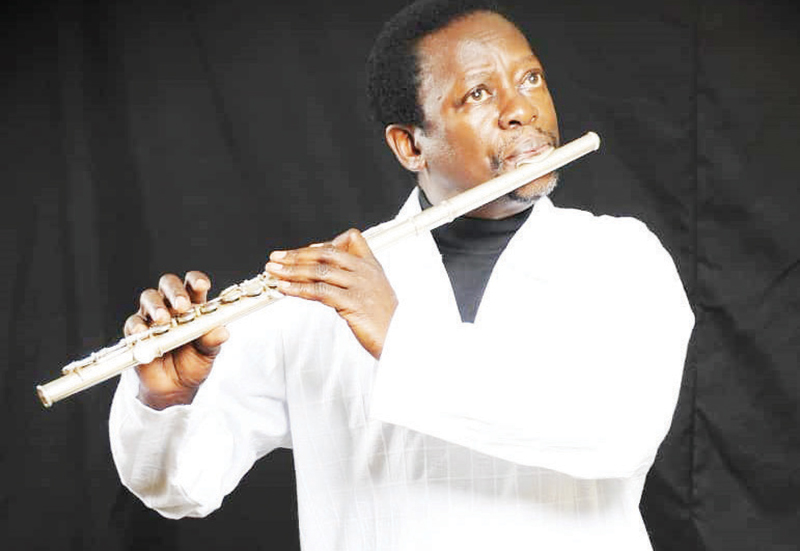

When news started filtering through that Moses Matovu had been killed in Kibuli last Thursday, the first question I asked myself was who would want him dead?
I can’t claim to have known Moses Matovu very well. I only met him a few times; the first while interviewing him more than 20 years ago for a newspaper I worked for. The other occasions were whenever I was involved in organizing events and his Afrigo band was set to perform.
He was always calm and even measured. He dressed smartly and there was hardly a hair out of place. His army green Land Rover always looked immaculate and you could think he wasn’t driving it in dusty Kampala. You never saw it with a coat of dust.
Moses Matovu carried the personality of a man who had seen it all. Indeed, he had, having started performing when people reading this, were not even yet born. He survived the turbulent 1970s and early 1980s when Uganda was engulfed in wars and extrajudicial killings.
Some of his colleagues were actually killed. His band equipment was looted during those days but he didn’t give up. He reassembled his ensemble and got back to work. Deaths of his fellow colleagues didn’t stop Afrigo.
Last year in August, his legendary band celebrated its 50th anniversary with a deserving performance at the Millennium grounds in Lugogo. Hopefully his death won’t be the end of a group that represent the best of Ugandan music, even though we will miss his melodious voice.
One could only hope that over the last 51 years or so, he had time to mentor others who could take over from him. Afrigo band didn’t last this long in the industry known to have a high mortality rate because of just the vocal and saxophonizing ability of Moses Matovu. They are a disciplined lot.
I have never heard that Afrigo was booked to perform somewhere and they didn’t turn up or turned up drunk and unable to perform. You didn’t hear them spend half their performance time talking about haters. Or even performing when their soul wasn’t there.
Unlike today’s bands, you hardly saw them reading the songs off their smartphones strapped on the microphone stands. They only performed songs they knew at heart or had spent time practicing.
They arrived on time and indeed finished their shows on time. Today, there is a band performing somewhere every single day. Many of these bands actually have large followings but I doubt any of them will be around for half the time Afrigo has been on stage.
Once they become famous, they split and each member starts a band. Soon after, you see interviews on TikTok when one group is dissing the other. Each splinter group accusing the other of greed, unprofessionalism and all sort of things.
Before you know it, the groups are all struggling to create a distinctive brand and then you hear one member disappeared with the drums, another with a keyboard. In Afrigo, Herman Ssewanyana a.k.a Omwana w’ensenene has been with the band for 44 years.
Joanita Kawalya for more than 36 years. Rachael Magoola from the mid-nighties. Even when she was elected member of parliament, she remained with the band. Each of those people I mention and many others could have started offshoots of Afrigo. They didn’t.
They instead remained together and built a brand like no other. But also, Afrigo don’t just do covers. They don’t just recruit singers who can’t sing. They don’t appear to read songs instead of singing them. And most importantly, they have their distinctive voice.
If you are abruptly woken up, you could immediately tell that it is Afrigo performing. I think because they have their own songs. Many other bands, you have to first see the vocalists to tell which one it is.
And they all follow the same performance format. Start with ballads and end with Congolese songs! Why are today’s bands unable to have their own songs? How can a band, even those with good vocalists and other musicians be unable to record just one original song?
How can they be comfortable to only perform other people’s songs for years (for those which are good enough to last a year or more)? Why should anyone pay a band Shs 5m or even Shs 7m to do karaoke or perform Afrigo songs at their wedding or any other events?
Why should we actually pay bands to sing Afrigo songs? There is quite a lot to learn from Moses Matovu, unfortunately now, posthumously.
djjuuko@gmail.com
The writer is a communication and visibility consultant
The post Papa Moi defined music, the rest must posthumously learn from him appeared first on The Observer Media Ltd.