The Art of Aging Well and Staying Active
Aging well depends on the daily habits that protect your strength, confidence and independence over time. Genetics and health history matter, but regular movement, meaningful relationships and practical safety measures also shape how you feel as the years pass. The best routines are realistic enough to follow through busy weeks, minor setbacks and changing energy levels. Start with activities you enjoy, stay attentive to your body and adjust your plans as your needs evolve. Embracing Lifelong Fitness Build an active lifestyle around consistency, not punishing workouts. The Alliance for Aging Research offers practical guidance on fitness as you age, with an emphasis on staying active without training at an extreme level. A balanced week might include brisk walks, two strength sessions and gentle mobility work. Strength exercises such as chair squats, wall pushups and resistance-band rows support common tasks like carrying groceries or climbing stairs. If pain or limited movement makes exercise difficult, explore the benefits of physiotherapy for active living and seek personalized advice. Increase duration or resistance gradually, allowing time for recovery between demanding sessions. Mental Wellness Strategies Give mental health the same regular attention as physical fitness. Consistent sleep times, daylight exposure and absorbing activities can support … The post The Art of Aging Well and Staying Active appeared first on The Quintessential Gentleman.
 Black News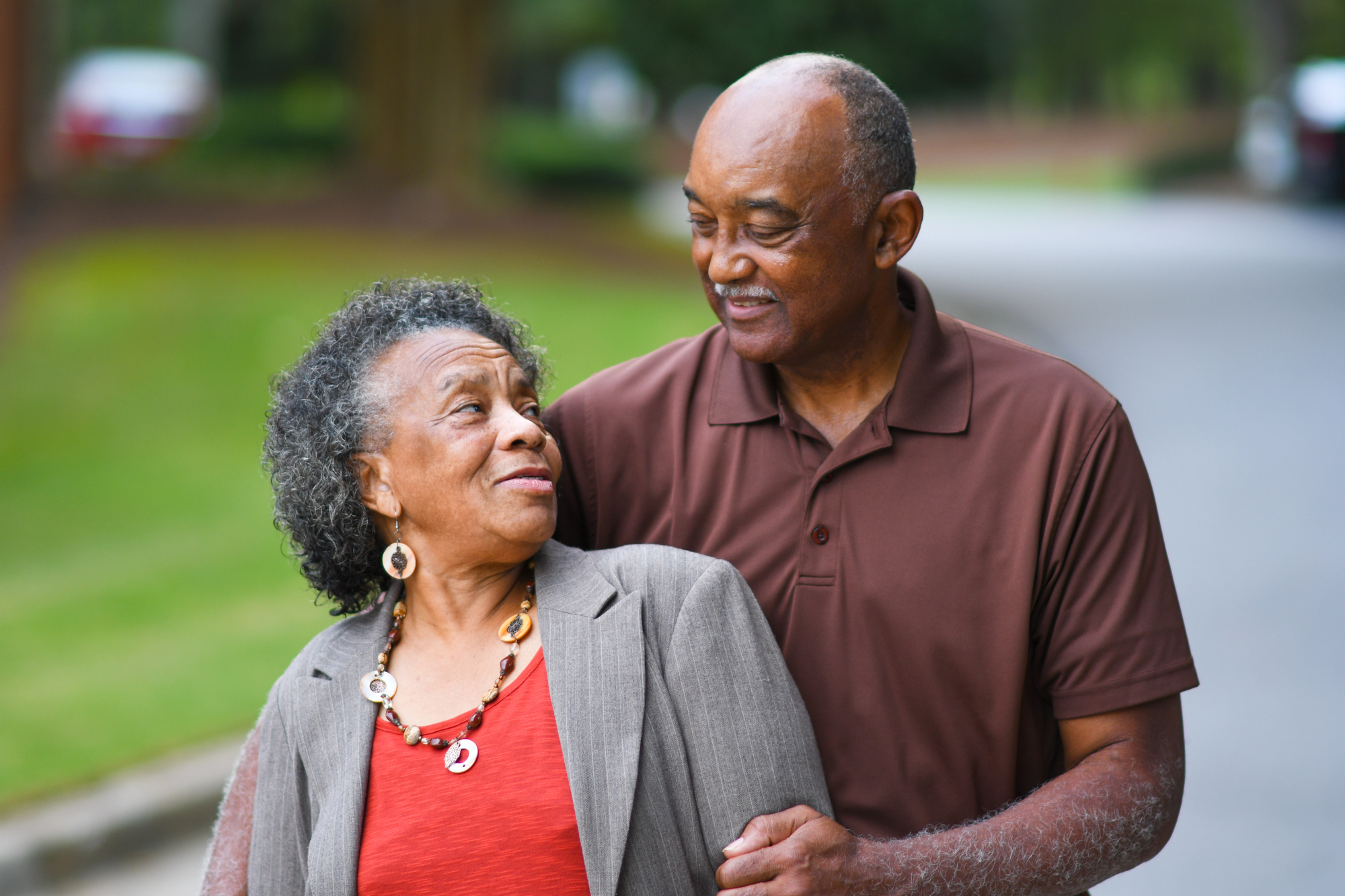
Aging well depends on the daily habits that protect your strength, confidence and independence over time. Genetics and health history matter, but regular movement, meaningful relationships and practical safety measures also shape how you feel as the years pass. The best routines are realistic enough to follow through busy weeks, minor setbacks and changing energy levels. Start with activities you enjoy, stay attentive to your body and adjust your plans as your needs evolve.
Embracing Lifelong Fitness
Build an active lifestyle around consistency, not punishing workouts. The Alliance for Aging Research offers practical guidance on fitness as you age, with an emphasis on staying active without training at an extreme level. A balanced week might include brisk walks, two strength sessions and gentle mobility work.
Strength exercises such as chair squats, wall pushups and resistance-band rows support common tasks like carrying groceries or climbing stairs. If pain or limited movement makes exercise difficult, explore the benefits of physiotherapy for active living and seek personalized advice. Increase duration or resistance gradually, allowing time for recovery between demanding sessions.
Mental Wellness Strategies
Give mental health the same regular attention as physical fitness. Consistent sleep times, daylight exposure and absorbing activities can support mood and sharpen focus. Reading, learning a language, playing music or solving puzzles also brings structure to quieter days.
Safety planning can ease the worry that sometimes discourages people from exercising or spending time alone. For seniors in Canada, a fall help alert can provide access to assistance through features such as two-way voice communication and water-resistant pendants. Technology works best alongside human support, so agree on check-in routines with family or friends and keep emergency contacts current. If sadness, anxiety or memory changes begin affecting daily life, speak with a qualified health professional.
Maintaining Social Connections
Treat social time as part of your health routine. The National Institute on Aging’s overview of healthy aging evidence identifies social engagement among the factors connected with health and well-being later in life.
Choose activities that create recurring contact, since relationships grow more easily through regular interaction. A weekly walking group, community class or volunteer shift gives you a reason to leave home and see familiar faces. When distance is an issue, schedule a standing video call instead of waiting for everyone to find a convenient time. Social plans can also reinforce other goals. Meeting a friend for a 30-minute walk, for example, supports connection and movement at once.
Safety for Active Lifestyles
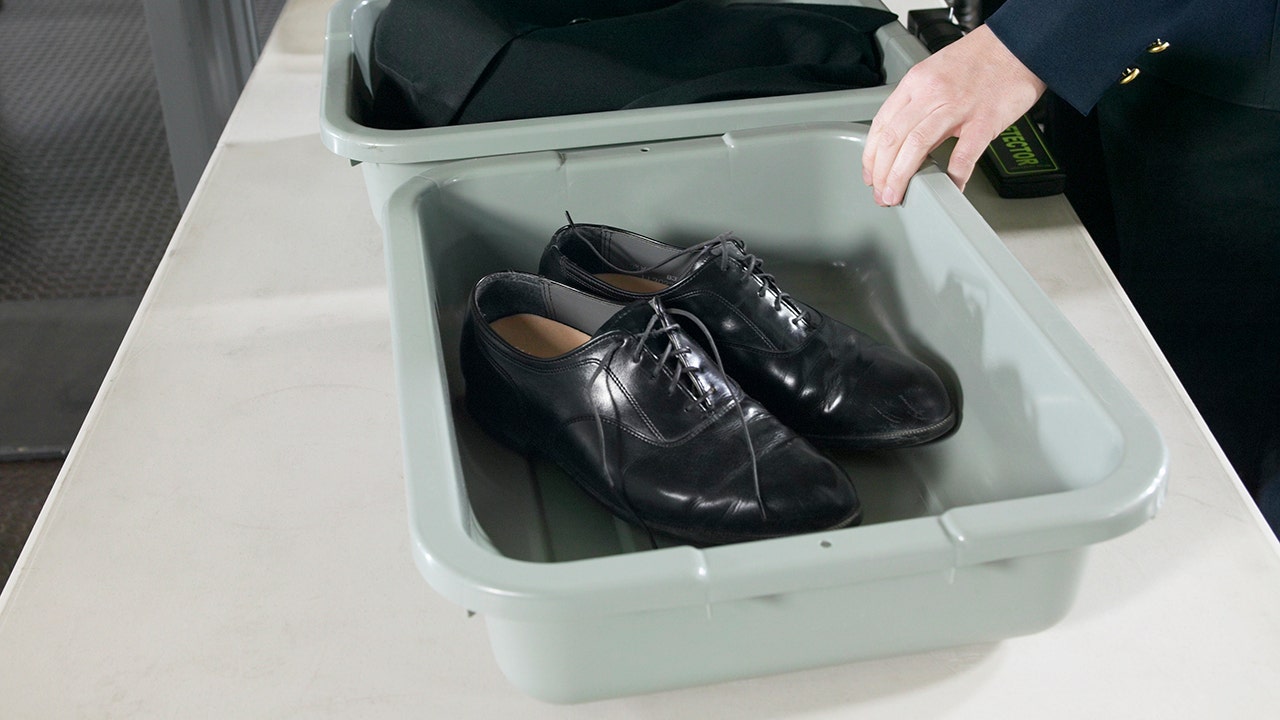
Match each activity to your current ability and surroundings. Wear supportive footwear, carry identification and tell someone your route when walking alone. In hot weather, exercise earlier in the day and bring water. During colder months, choose cleared paths or move the workout indoors when surfaces become slick.
At home, keep stairs and hallways well lit, remove loose rugs and place frequently used items within easy reach. Review medications with a pharmacist or clinician if you experience dizziness or unusual fatigue. Changes in vision, balance and hearing also deserve prompt attention because they can affect movement before you notice an obvious problem. After an injury or long break, return to activity in shorter sessions and rebuild gradually.
Planning for Future Needs
Review your routine and living space before a health change forces quick decisions. Consider how easily you can enter the home, use the bathroom, prepare meals and reach transportation. Small updates such as brighter lighting, secure handrails and lever-style door handles may preserve independence for years.
Keep a simple folder with medication details, medical contacts, insurance information and the names of people authorized to help in an emergency. Revisit it every six months, since phone numbers and prescriptions change. Talk openly with family about the kind of support you’d accept if driving, cooking or household maintenance became difficult. Clear preferences give everyone a practical starting point and allow future care to reflect the life you want to keep living.
Aging well takes shape in ordinary decisions: the walk you keep on your calendar, the friend you call regularly and the handrail you install before it becomes urgent. Those choices help an active life remain both enjoyable and sustainable.
The post The Art of Aging Well and Staying Active appeared first on The Quintessential Gentleman.