Zambia heads to the polls as China and the US compete for its copper wealth
Zambians are voting in an election that will shape the policy setting around one of the world’s most important copper producers as Chinese and US interest in African minerals grows.
 Black News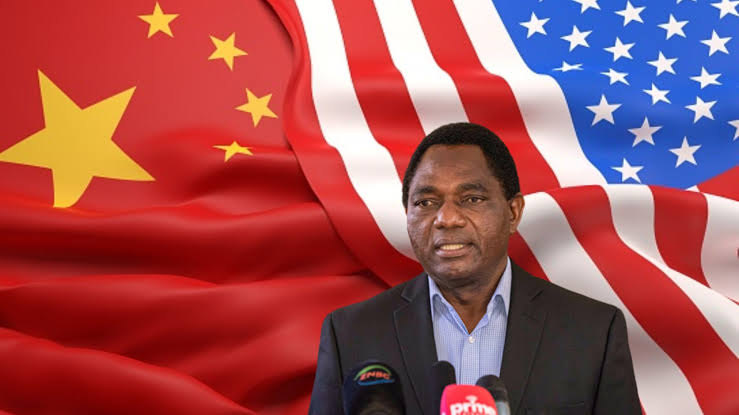


Zambians are voting in an election that will shape the policy setting around one of the world’s most important copper producers as Chinese and US interest in African minerals grows.
- Zambia is holding presidential, parliamentary and local elections on August 13.
- The government says it has attracted major mining investment as it targets higher copper output.
- The result will matter to investors, miners and copper buyers watching Africa’s role in global energy and technology supply chains.
Zambians are voting in a general election that will determine whether President Hakainde Hichilema receives another term to lead Africa’s second-largest copper producer.
The vote comes after several years of debt restructuring, lower inflation and renewed mining investment, but many households remain under pressure from food costs, unemployment and unreliable electricity.
Hichilema is seeking re-election on a record of restoring investor confidence and reopening major copper assets. His challengers have argued that the benefits of higher copper production have not reached enough Zambians.
The election follows a recent recovery in Zambia’s kwacha and inflation after a difficult debt crisis. The direction of mining taxes, power policy and public spending will be closely watched after the result.
Zambia is also part of a wider contest for African minerals as the United States and China seek more secure supply chains for copper and other materials used in electricity networks, vehicles and data centers.
That competition has already prompted African governments to rethink how they use access to major markets, while African manufacturers are being considered as possible beneficiaries of changing trade flows between the United States and India.
For Zambia, the business case is not only about how much copper leaves the country. The next government will face pressure to protect the investment needed to increase production while widening the jobs, power and supplier opportunities linked to new mines.
The country’s position has become more important as uncertainty around the future of the African Growth and Opportunity Act forces exporters to look beyond a small number of trading partners.
The Electoral Commission of Zambia said polling stations are open from 6 a.m. to 6 p.m. local time. The commission has registered 8.8 million voters for the presidential, parliamentary and local contests.
What investors are watching Zambia
The immediate focus will be whether a candidate wins more than 50% of the vote. If no candidate reaches that mark, Zambia will hold a runoff.
Investors will also watch the tone of the next administration toward mining licences, taxes, electricity supply and the continued reopening of copper operations.
Hichilema’s government has presented debt restructuring and stronger engagement with private investors as central to its economic programme. The Financial Times reported this week that Zambia has attracted nearly $10 billion in mining investment and is targeting a doubling of copper output by 2031.
The election does not decide copper prices or mining output on its own. It will, however, shape the policy certainty facing companies planning projects that can take years to develop.
Why China and the US are watching
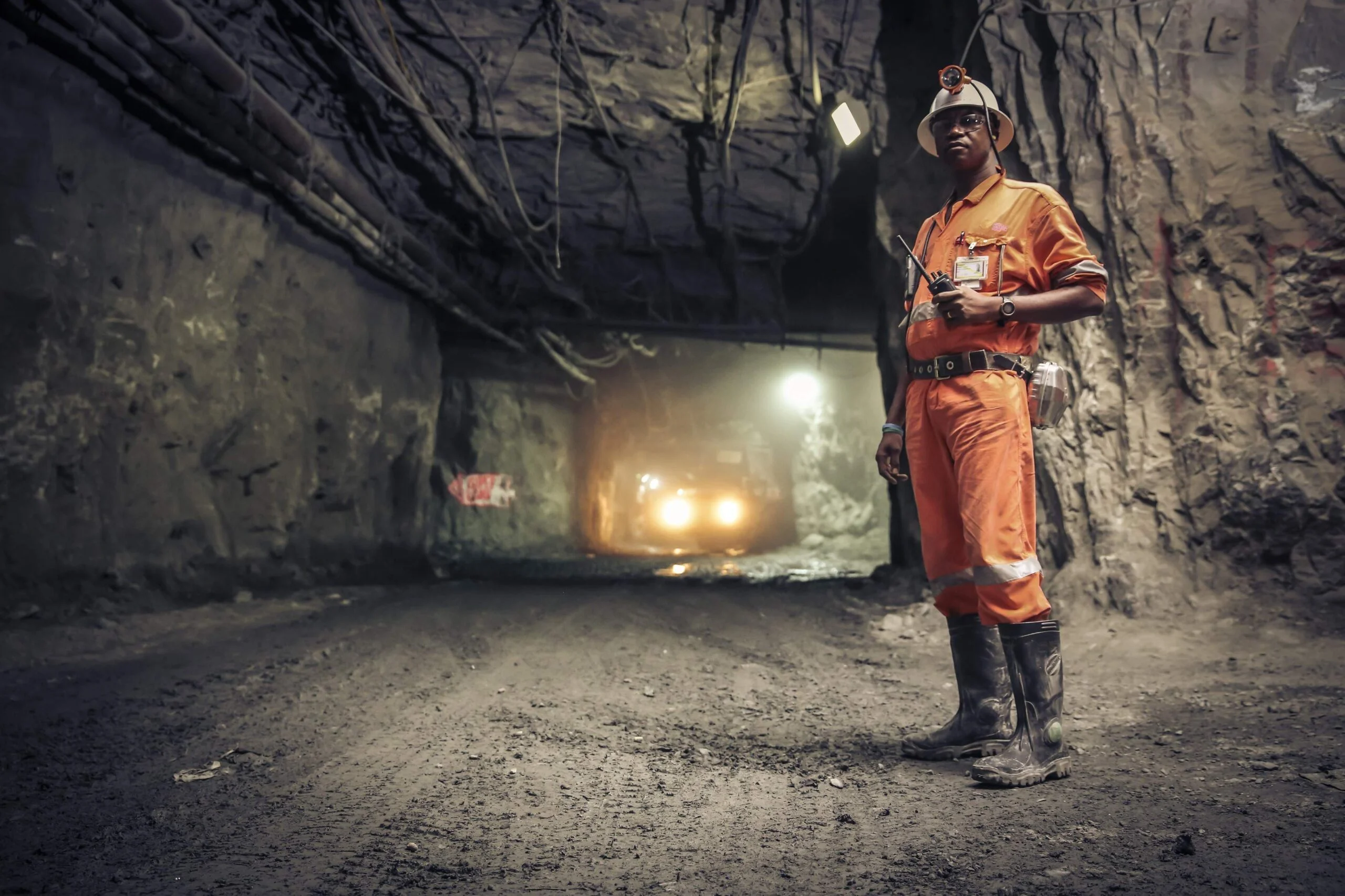
China is a major buyer of Zambian copper and has deep commercial ties to the country’s mining sector. The United States has also increased its interest in African critical minerals as it looks for supply chains that are less dependent on China.
That makes Zambia more than a domestic political story. The country sits on the Copperbelt that links Zambia and the Democratic Republic of Congo, a region central to the global energy transition.
For voters, the more immediate question is whether investment, copper revenues and macroeconomic recovery can translate into lower living costs, more reliable power and stronger employment.