Zambia’s President Hichilema Wins Second Term
By Semafor Africa Photos: YouTube|Wikimedia Commons Hakainde Hichilema was reelected as president of copper-rich Zambia, a result that was welcomed by investors despite accusations of a crackdown on political opponents. Hichilema, who will now have a second five-year term, has overseen a massive influx in foreign direct investment since taking office in 2021, helping to lift copper output to record levels in Africa’s second-largest producer. Soaring prices for the metal — driven largely by surging global demand for AI data centers and renewable energy infrastructure — have improved the fortunes of producers globally. The kwacha, already Africa’s best-performing currency this year, firmed after the results, reflecting investor relief that political risk has eased. But the election, in a country generally regarded as being a stable democracy, has been mired in controversy: Main opposition candidate Brian Mundubile rejected the outcome, alleging the vote was neither free nor fair, and said security forces raided his Lusaka home days before the vote. The EU Electoral Observation Mission noted a “constrained democratic space,” while the UN rights chief urged authorities to “stop arresting people arbitrarily.”
 Black News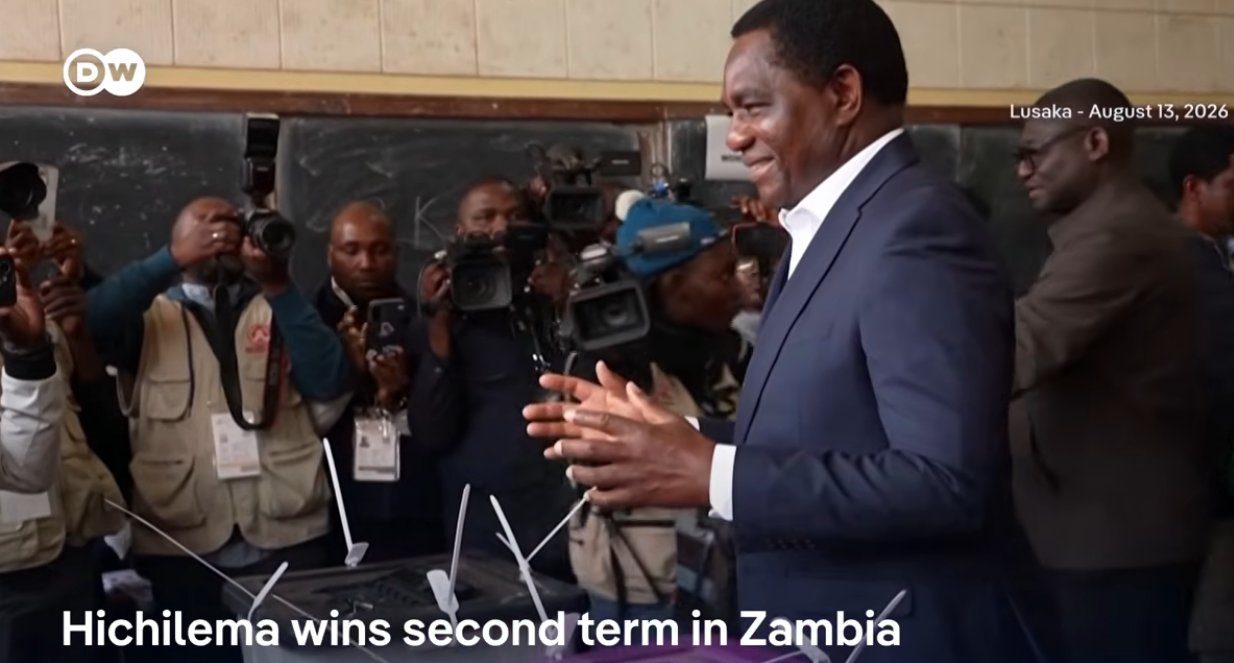

By Semafor Africa
Photos: YouTube|Wikimedia Commons
Hakainde Hichilema was reelected as president of copper-rich Zambia, a result that was welcomed by investors despite accusations of a crackdown on political opponents.
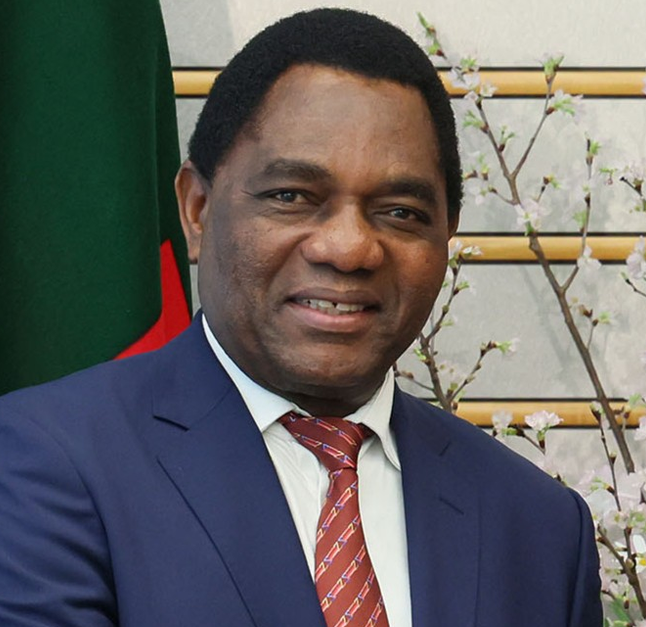
Hichilema, who will now have a second five-year term, has overseen a massive influx in foreign direct investment since taking office in 2021, helping to lift copper output to record levels in Africa’s second-largest producer. Soaring prices for the metal — driven largely by surging global demand for AI data centers and renewable energy infrastructure — have improved the fortunes of producers globally.
The kwacha, already Africa’s best-performing currency this year, firmed after the results, reflecting investor relief that political risk has eased. But the election, in a country generally regarded as being a stable democracy, has been mired in controversy: Main opposition candidate Brian Mundubile rejected the outcome, alleging the vote was neither free nor fair, and said security forces raided his Lusaka home days before the vote. The EU Electoral Observation Mission noted a “constrained democratic space,” while the UN rights chief urged authorities to “stop arresting people arbitrarily.”