EEP accelerates 18 grid projects ahead of COP32
Ethiopian Electric Power (EEP) is accelerating the implementation of 18 major electricity infrastructure projects to strengthen the national grid and improve power supply reliability ahead of the United Nations Climate Change Conference (COP32), scheduled to take place in Addis Ababa in November 2027. The projects include the installation of mobile substations, upgrades to transformer capacity, […]
 Black News
Ethiopian Electric Power (EEP) is accelerating the implementation of 18 major electricity infrastructure projects to strengthen the national grid and improve power supply reliability ahead of the United Nations Climate Change Conference (COP32), scheduled to take place in Addis Ababa in November 2027.
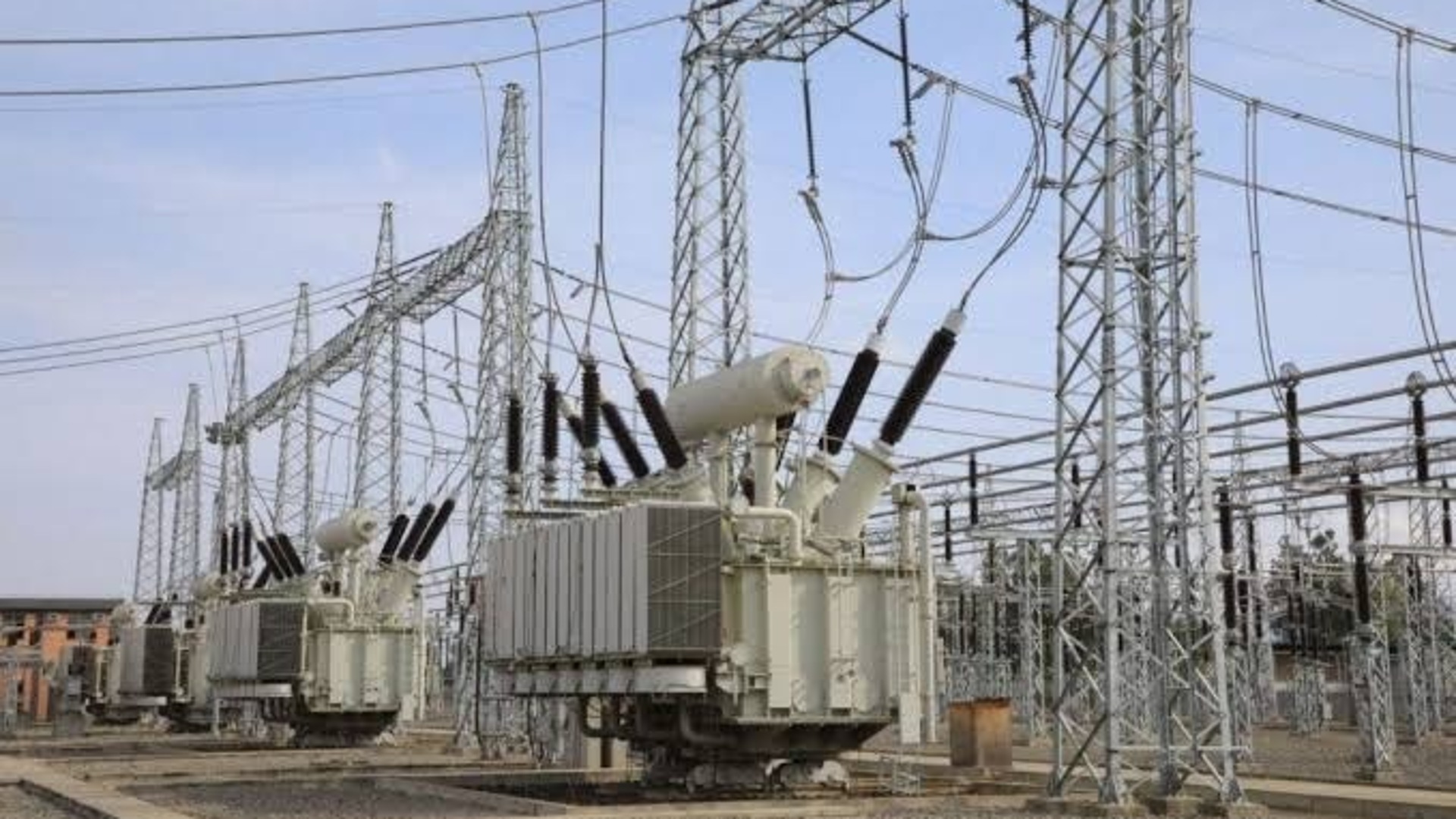
The projects include the installation of mobile substations, upgrades to transformer capacity, transmission line improvements and the deployment of a battery energy storage system (BESS). The initiative aims to strengthen the electricity network, meet growing demand and improve supply reliability in key areas of the capital, including Bole Lemi Industrial Park and the ICT Park.
Moges Mekonnen, communications director at EEP, told Capital the programme combines infrastructure expansion with technologies designed to improve grid flexibility and operational efficiency.
“The programme encompasses three key substation initiatives: two mobile substations, upgrades to a permanent facility and a battery energy storage project,” Moges said.
Mobile substations will give EEP greater flexibility to respond to temporary increases in electricity demand by deploying additional capacity where it is needed. Procurement of the mobile units is nearing completion, with supplier selection and design approvals approaching finalisation.
Ethiopia’s selection to host COP32, following the endorsement of the African Group of Negotiators, is expected to provide the country with an opportunity to showcase its renewable energy resources and green development ambitions on the international stage.
Ethiopia generates most of its electricity from renewable sources, primarily hydropower, supplemented by wind and geothermal energy. However, its heavy reliance on hydropower leaves electricity generation vulnerable to seasonal rainfall fluctuations and drought.
The government is also pursuing universal electricity access within five years through grid expansion and off-grid solutions. Despite progress in expanding connections, access remains uneven between urban and rural areas. The figures provided put urban electricity access at 94.7%, compared with 43.6% in rural areas.
The 18 infrastructure projects are focused on strengthening the grid in Addis Ababa and other selected locations rather than addressing the country’s entire electricity access gap.
To accommodate rising electricity demand without building entirely new transmission corridors, EEP plans to replace existing conductors on selected power lines with higher-capacity alternatives. The utility is also expanding capacity at selected substations in and around Addis Ababa and in Wolaita Sodo.
Battery Storage and Grid Modernisation
The planned battery energy storage system is expected to support grid stability by helping balance electricity supply and demand during periods of peak consumption. Battery storage can also help manage fluctuations in electricity supply, although its effectiveness will depend on the system’s capacity, configuration and operating arrangements.
EEP has not yet disclosed the battery system’s exact capacity, location or technical specifications.
The projects are expected to be financed through a combination of EEP’s internal revenues and external funding.
The broader modernisation effort received a boost following Parliament’s approval of a $145.8 million concessional loan from the World Bank’s International Development Association (IDA) for the Power Sector Reform and Modernization Project.