Uber exits Uganda after 12 years
Global ride-hailing company Uber has wound up operations in Uganda and Nigeria, ending a 12-year presence in Uganda’s increasingly competitive ride-hailing market. Uber said its operations in the two countries ended effective Wednesday, September 2, 2026, following what it described as a “thorough review” of its business. Uber said the decision is limited to Uganda […] The post Uber exits Uganda after 12 years appeared first on The Observer Media Ltd.
 Black News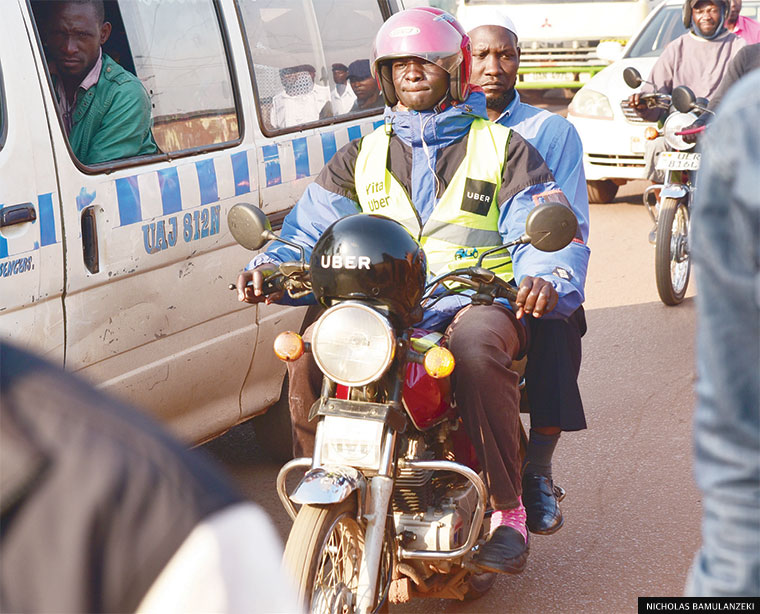


Global ride-hailing company Uber has wound up operations in Uganda and Nigeria, ending a 12-year presence in Uganda’s increasingly competitive ride-hailing market.
Uber said its operations in the two countries ended effective Wednesday, September 2, 2026, following what it described as a “thorough review” of its business.
Uber said the decision is limited to Uganda and Nigeria and will not affect its operations elsewhere in Africa. The company said its immediate priority was to support drivers, riders and local team members through the transition, with support services continuing for 21 days.

Lorraine Onduru, Uber’s head of communications for East and West Africa, said the company remained committed to Sub-Saharan Africa, where it continues to see “growth and long-term opportunities.”
Uber did not give specific reasons for its decision to leave Uganda. The exit marks the end of a 12-year run in Uganda, where Uber launched as the country’s first major app-based ride-hailing service, initially connecting passengers with drivers operating special-hire taxis and relying largely on cash payments.
The arrival of Uber transformed urban transport in Kampala by allowing passengers to request rides through a mobile application, while giving vehicle owners an alternative way of accessing customers.
In March 2018, Uber expanded into motorcycle transport with the launch of UberBoda in Kampala, making Uganda the first country where the company introduced its motorcycle ride-hailing service. The move placed Uber in direct competition with SafeBoda, which had already established itself as a major player in Kampala’s motorcycle transport market.
Competition in Uganda’s digital transport sector intensified further with the arrival of Taxify in 2017. The company rebranded as Bolt in 2018 and expanded beyond car-hailing into boda boda and delivery services. SafeBoda later entered the car-hailing market with SafeCar in 2022, bringing the two companies into direct competition across both motorcycle and vehicle ride-hailing.
Other platforms, including Faras, Yango and Tinka, have also operated in Kampala, although Bolt and SafeBoda have remained among the more prominent players. While Uber has not attributed its withdrawal to competition, analysts and industry players have pointed to a combination of market pressures, driver retention challenges and operating costs as factors that may have affected its business in Uganda.
Certified financial analyst Alex Kakande cited operational challenges, including cases where drivers abandoned the application and instead negotiated fares directly with passengers. Uber also faced criticism from drivers over its commission structure.
In 2019, the Smart Online Drivers Association (SODA) petitioned parliament over what it described as exploitative practices in the ride-hailing industry. SODA chairperson Musa Kabunga said drivers were particularly concerned about Uber’s 25 per cent commission, which they argued was high while fares charged to passengers remained low.
The complaints contributed to protests and the movement of some drivers to competing platforms, according to the association. High fuel prices and concerns over declining returns have also been cited by industry players as challenges facing ride-hailing drivers, potentially affecting the number of drivers willing to remain active on individual platforms.
Uber’s departure is expected to affect a segment of Uganda’s digital transport ecosystem, although the exact number of drivers and riders currently using the platform has not been disclosed.
About five years ago, Uber said it had created more than 1,000 economic opportunities through its vehicle and motorcycle services in Uganda. By early 2026, the number of active digital ride-hailing drivers using the major platforms in Kampala was estimated to have grown significantly, with Uber accounting for only a portion of the market compared with competitors.
SafeBoda, for instance, has previously reported supporting more than 20,000 drivers and riders. Uber’s withdrawal from Uganda follows its exit from other African markets, including Tanzania and Côte d’Ivoire in 2025, as the company continues to review its operations and focus on markets it considers commercially viable.
The post Uber exits Uganda after 12 years appeared first on The Observer Media Ltd.