What Happens to the Men Who Don’t Cry
A compassionate but firm call to dismantle the “strong black man” script equating tears with weakness and silence with strength pexels Elo pexels Kaybee Photography “A man who can cry is not a risk to the family but its best chance of survival.” In a hospital corridor in Blantyre, a man sits with his head […]
 Black News
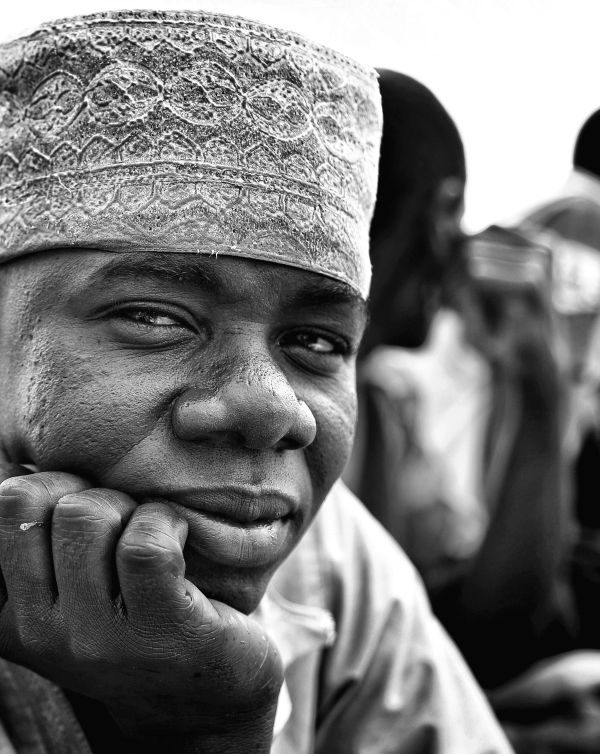
A compassionate but firm call to dismantle the “strong black man” script equating tears with weakness and silence with strength
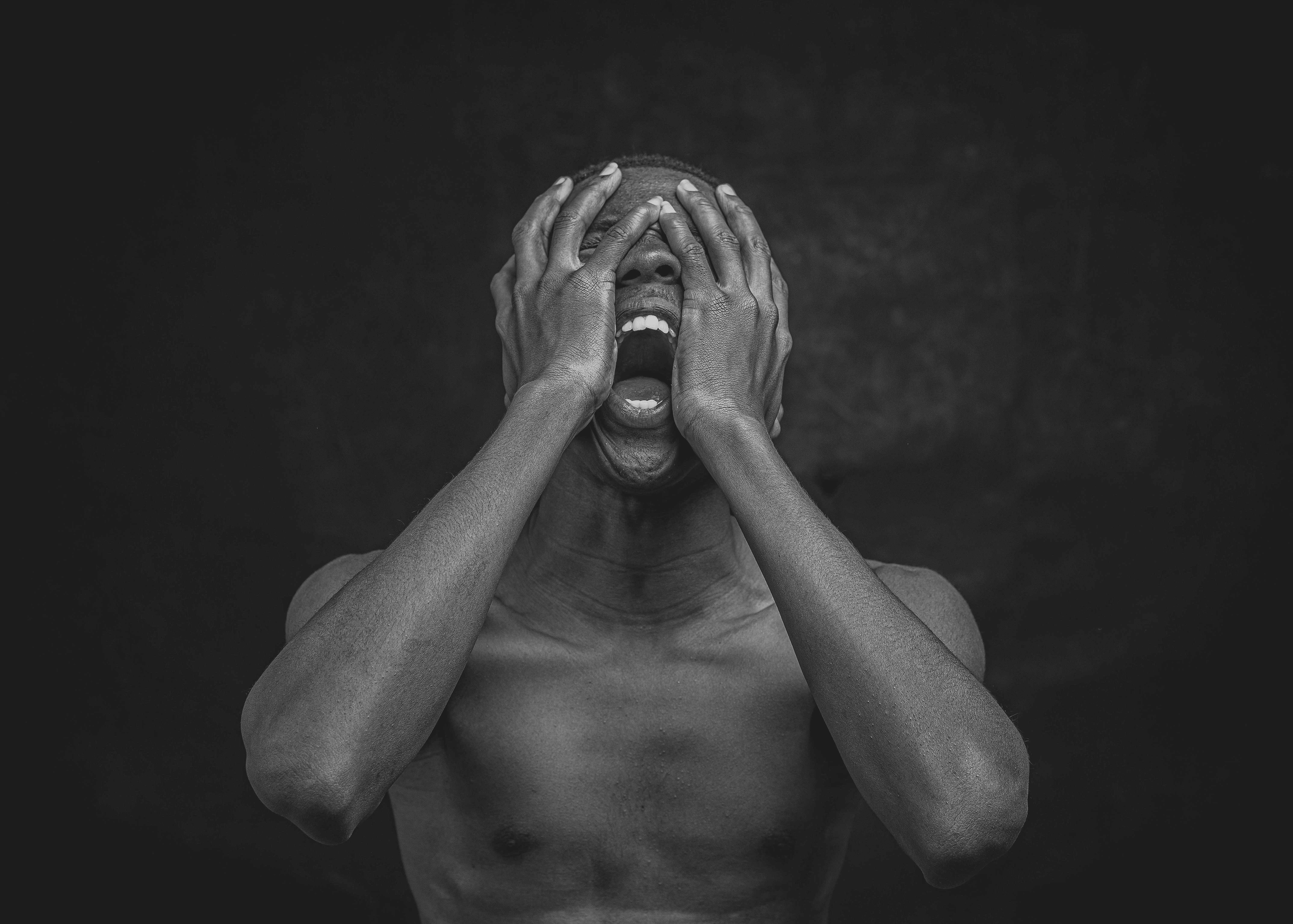
“A man who can cry is not a risk to the family but its best chance of survival.”
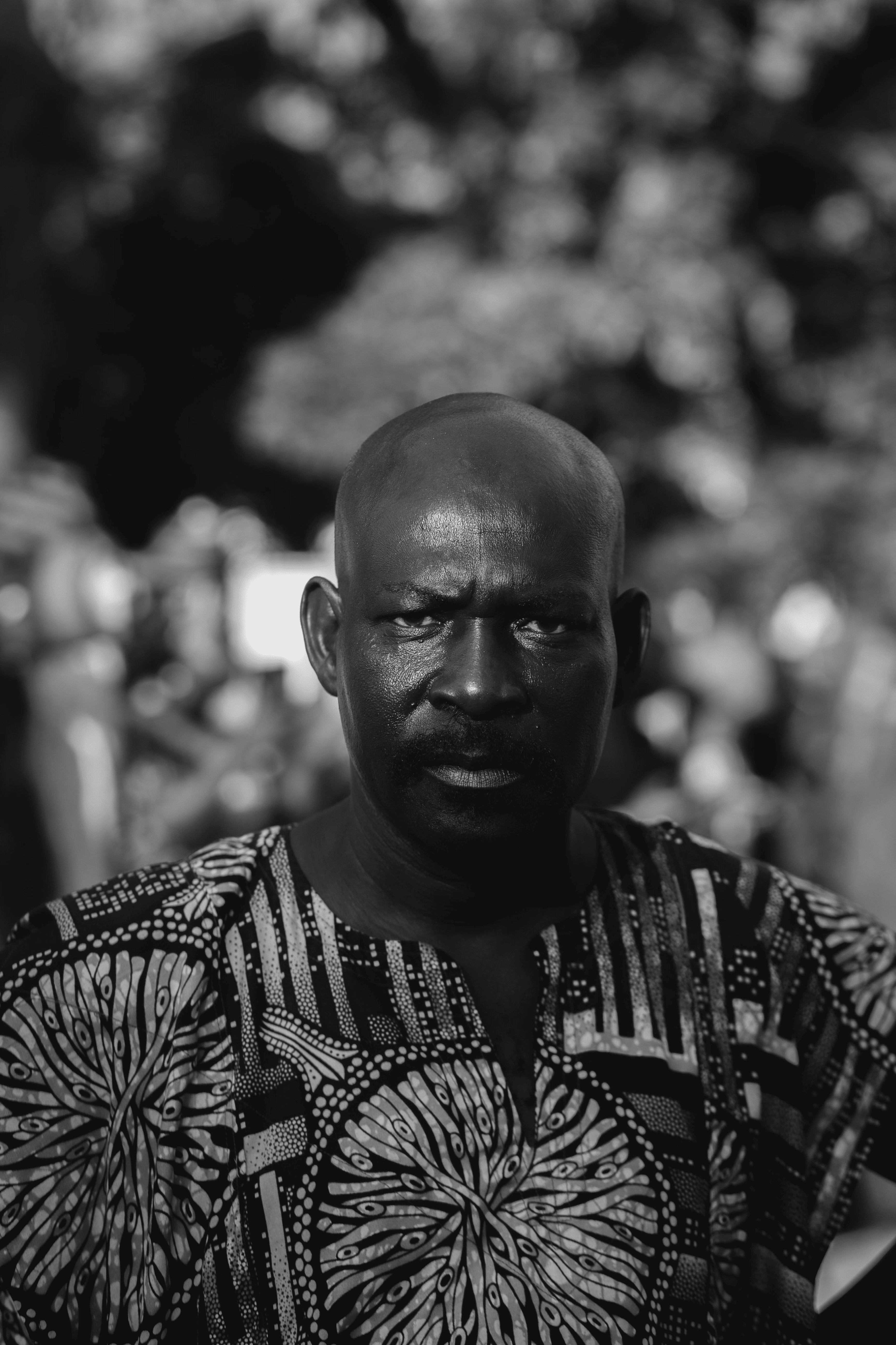
In a hospital corridor in Blantyre, a man sits with his head in his hands after his father dies. The women in the family move around him: calling relatives, arranging the funeral, and wiping tears allowed to fall. He, however, doesn’t cry. He’s the eldest son, with forms to sign, money to find, and a casket to choose. Later, in the taxi home, he stares out the window at the red dust and says nothing – this silence not strength but training.
Across much of the continent, boys are taught a simple equation: tears equal weakness, weakness equals danger.
The lesson is learned early on. A boy falls and is told to stand up like a man. Hurt, he’s told pain is private. Afraid, he’s told fear must be hidden or will otherwise be used against him. By the time he’s an adult, the machinery is complete. He can carry a family, a business, a funeral, and a nation; yet he can’t carry his own grief.

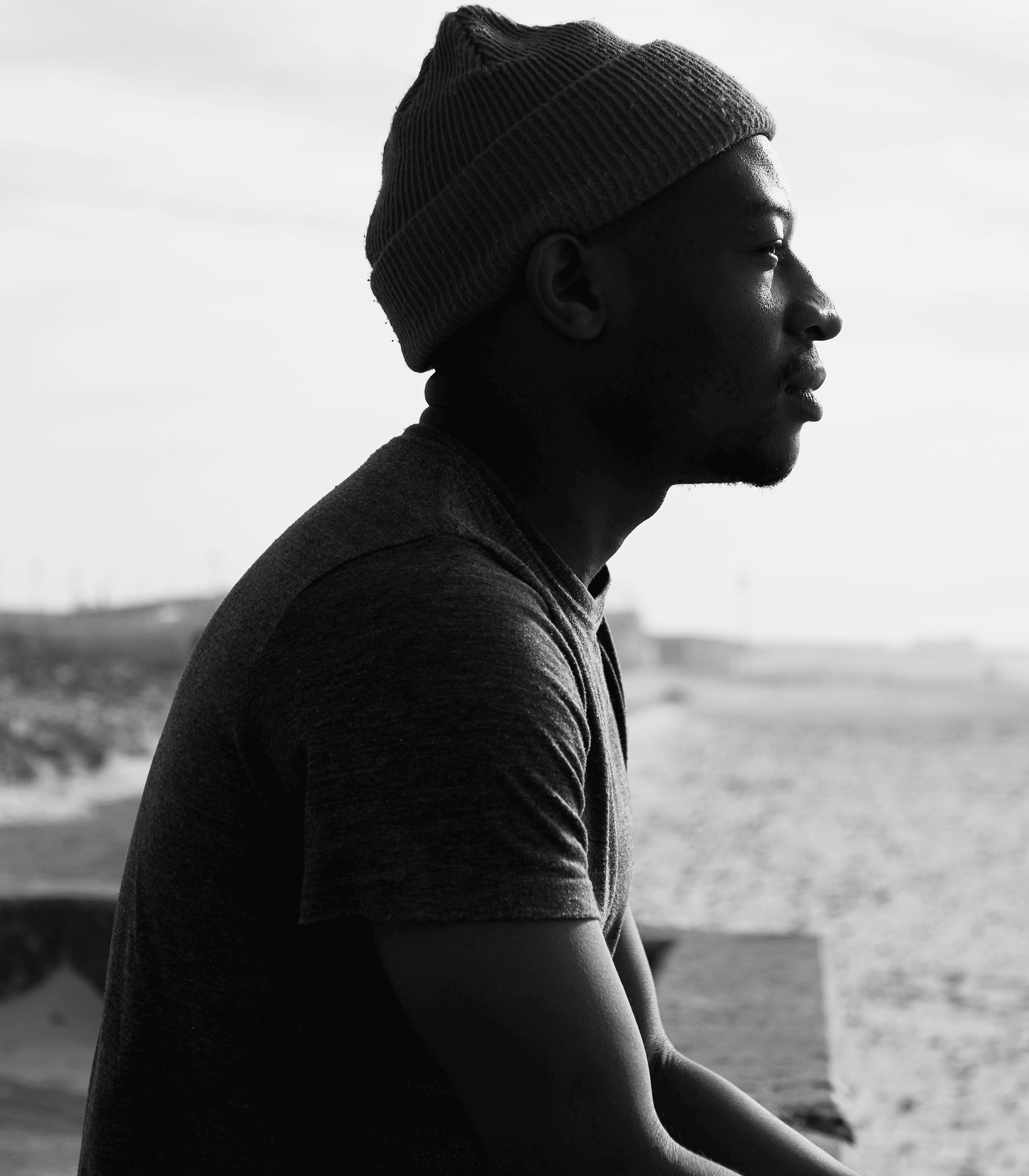
This isn’t culture in the truest sense but a survival strategy hardened into identity. Colonial economies needed bodies that could endure without breaking. Postcolonial states inherited that same demand and dressed it in new uniforms: the soldier, the worker, the head of household. Literature from the 1990s caught this truth in the act. Gordimer, for example, wrote about the private lives of people under public pressure and how apartheid and the aftermath turned intimacy into a battlefield. Soyinka reminded readers that freedom isn’t inherited but practised, often at great cost, with men assigned a particular role: to hold the line even if it means holding their breath.
The cost shows up in many ways. In some homes, it appears as anger that arrives too quickly: a fist on the table, door slammed, or silence lasting for days. In others, it’s alcohol, work that never ends, or emotional absence that feels like a second death. In many places, it’s tragically suicide – a word still whispered as if a scandal not a symptom. The men who do not cry do not vanish; they become hard and dangerous to themselves and those who love them.

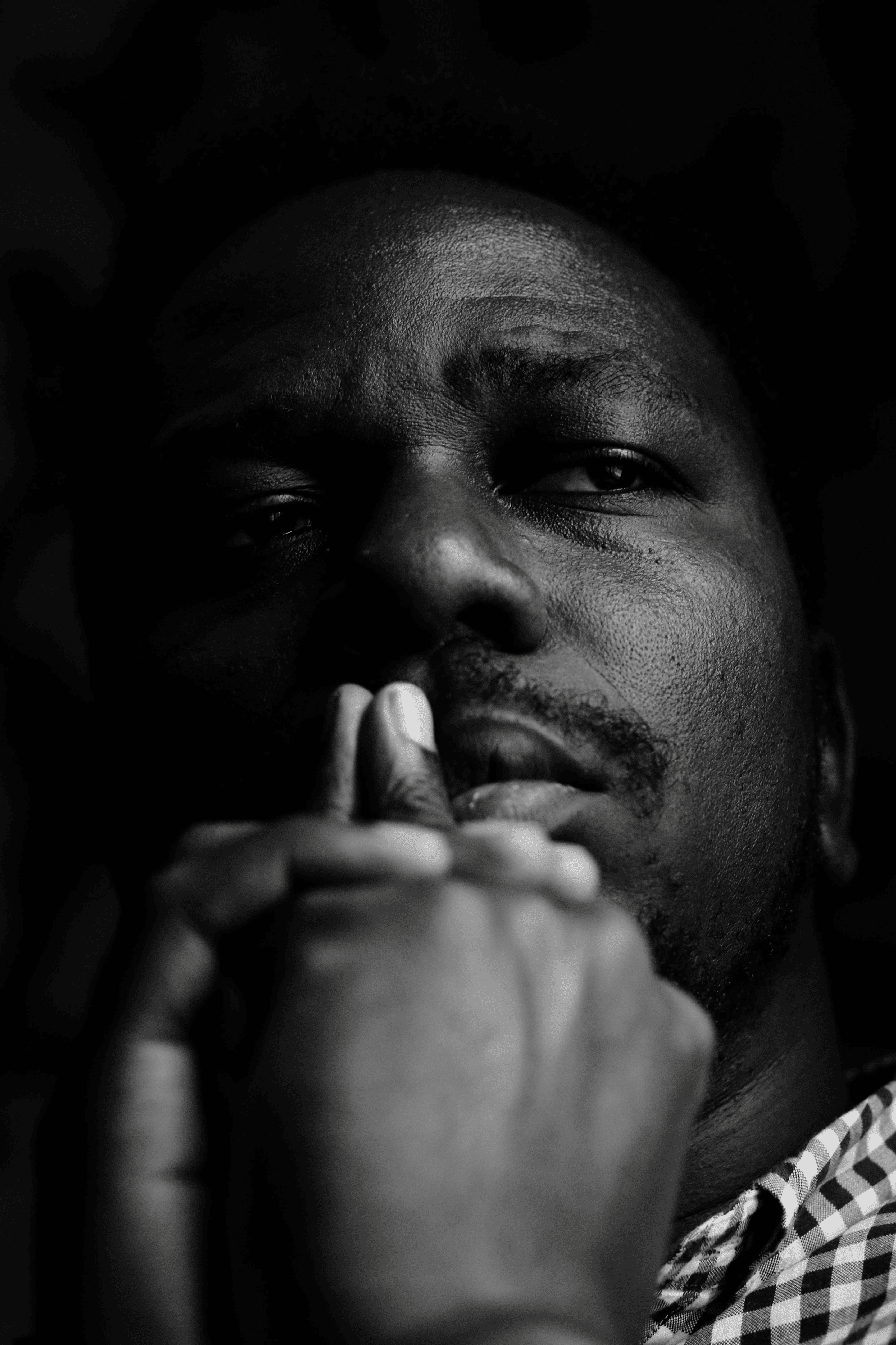
Dangarembga’s Nervous Conditions is often read as a story about girls, but it’s also a story about what happens to boys facing the same pressures. The men in her pages aren’t villains; they’re wounded, carrying expectations leaving no room for softness. Writing in post-apartheid South Africa, Zakes Mda showed how violence and grief circulate in communities where mourning has no safe container. The men in his novels aren’t monsters; they’re people who were never taught how to tremble.
There’s another way, though, beginning with a single permission: that a man can cry without ceasing to be a man. Not an import from somewhere else, it’s a return to older truths many families still remember. In some places, men wail at funerals. In others, they sit together and talk until dawn or pray in voices that break. These are not signs of collapse but rather signs of life.
The work is not theatrical, not requiring a man to perform his pain for an audience. It simply requires a shift in the household, the church, the workplace, the friendship. It looks like a father telling his son it’s okay to be afraid, a wife saying “There’s no need to carry this alone,” and a friend sitting with another man in silence. Not punishment, it’s companionship. A community shouldn’t gossip when a man goes to therapy but instead ask how it’s helping.

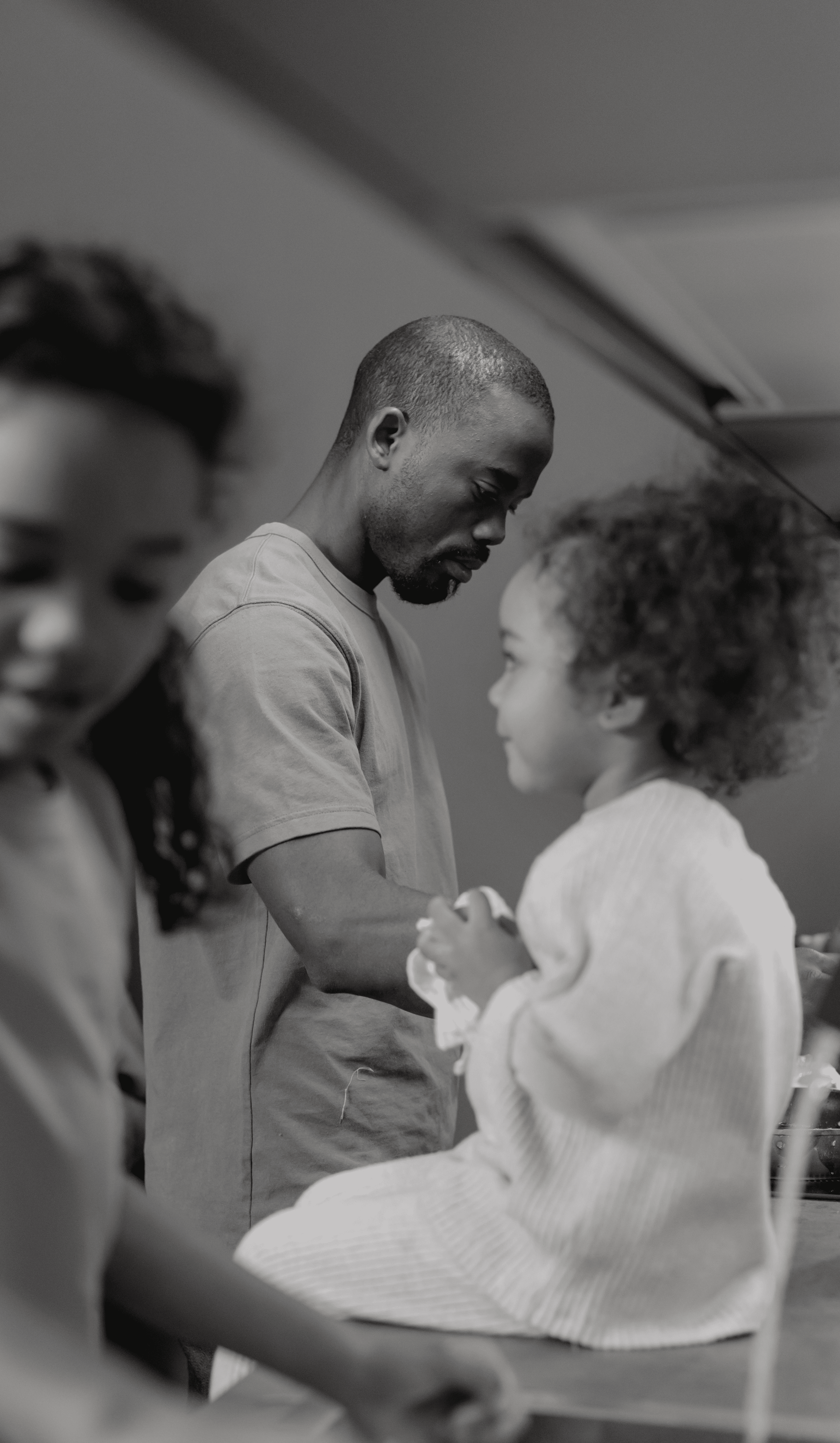
This doesn’t mean abandoning responsibility but simply redefining strength. A man who can name his grief is less likely to drown in it; he who can ask for help is less likely to break in ways harming everyone around him. A man who can cry is not a risk to the family but its best chance of survival.
Soyinka wrote that freedom is not inherited. The same is true of tenderness, which must be practised in small, unglamorous ways until it becomes ordinary. In a house in Gaborone, a man cries at his mother’s funeral, and his brother puts a hand on his shoulder. In a flat in Nairobi, a husband tells his wife he isn’t fine, and she doesn’t try to fix him. In a village outside Mbandaka, a group of men sit under a tree and speak about the things they’ve lost without jokes, solutions, or shame.
What happens to the men who don’t cry? They become monuments, warnings, and the stories families tell in hushed voices about what happens when pain has nowhere to go. The alternative? Not softness for its own sake but a different kind of strength, one that can hold both a child and grief, a future and memory, and a nation and trembling heart.
Image citations:
pexels Emir Bozkurt | pexels Elo | pexels Kaybee Photography | pexels Kaybee Photography | pexels RDNE Stock project | pexels Laker | pexels cottonbro studio | pexels SULTAN | pexels Dapo Abideen