Why India needs citizen-centric governance for everyday democracy
Significant effort is required to extract even basic accountability from the state.
 Black News
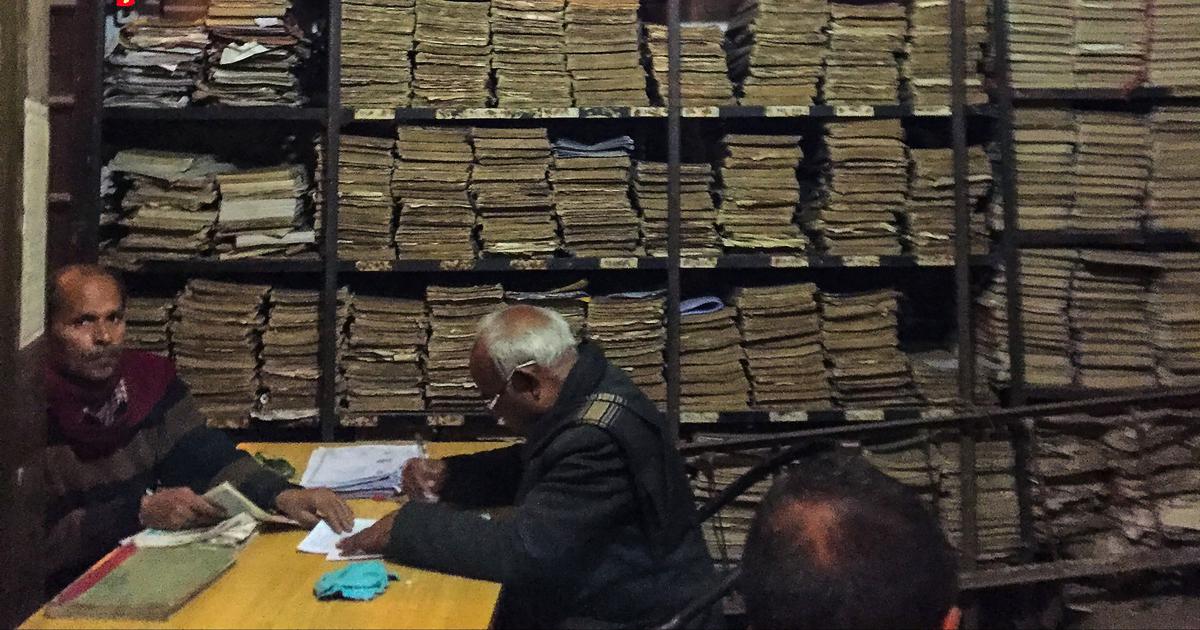

In recent months, young Indians have felt compelled to petition, protest, run aggressive social media campaigns and push back against the government’s business-as-usual approach to irregularities in the manner in which electoral lists are being revised and in the way examinations are being conducted.
These protests reflect a wider frustration with the lack of avenues for citizens to engage with and hold accountable the governments and representatives they elect across levels.
Between the five-year election cycles, citizens have few systemic avenues to engage with their elected leaders and governments, contribute to decision-making, track commitments and projects or seek remedial action.
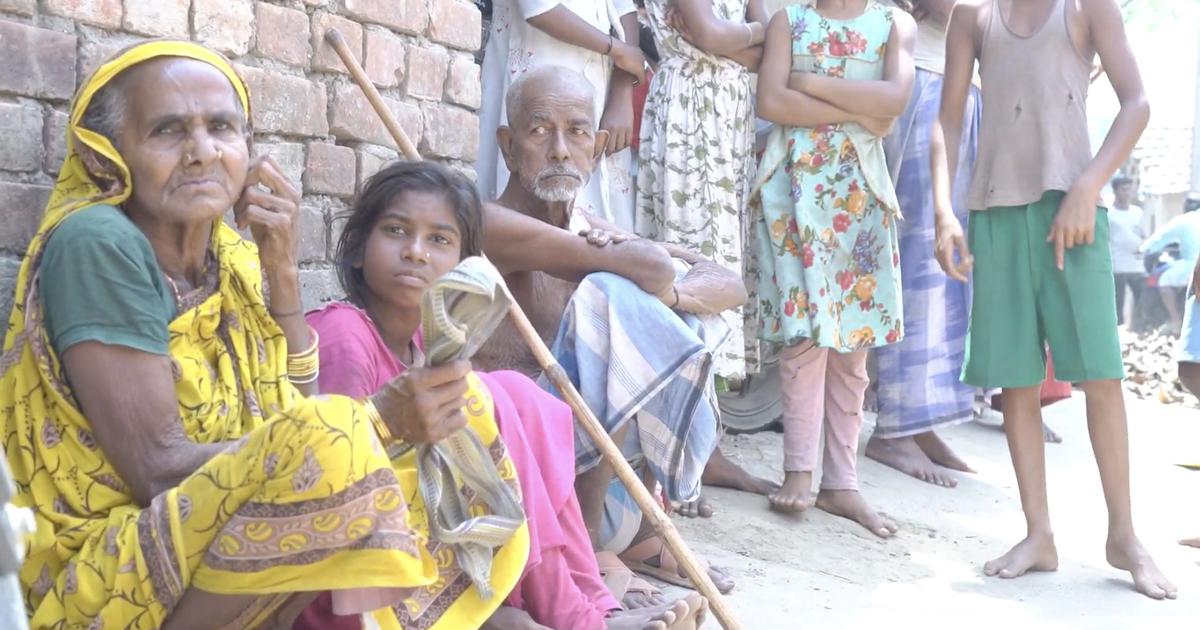
When the state fails to offer meaningful platforms for engagement and accountability, people are left with no options but to resort to protests on matters as basic as access to drinking water, quality education, health care or pothole-free roads or obstacle-free footpaths or fair examinations and recruitment to government services.
In his Grammar of Anarchy speech on the eve of the adoption of the Constitution in 1949, BR Ambedkar argued for abandoning the method of civil disobedience, non-cooperation and satyagraha since constitutional methods (including legal means of enforcing civil rights, obtaining services, legislating new laws, or seeking accountability from the government through courts and tribunals) were now available.
But more than 75...