Why The Senate Must Strengthen Its Leadership Pipeline
By: Joint Center President Dedrick Asante-Muhammad & Joint Center Senior Researcher Dr. LaShonda Brenson Photos: Wikimedia Commons The Senate Democratic Diversity Initiative’s latest staff diversity survey offers two stories about the U.S. Senate. One is encouraging: Democratic staff is the most diverse (43 percent) it has been since they began collecting this data, with 40 percent more staffers of color than in 2017. Yet at the same time, our report, Unrepresented: Black and Latino Leadership Among Senate Committee Top Staff , highlights a continued deep lack of staff representation in Senate committee leadership positions where legislation is drafted, oversight is conducted, and some of the nation’s most consequential policy decisions are shaped. The Joint Centers’ new report examines who occupies the Senate’s most senior committee positions — staff directors, deputy staff directors, chief counsels, general counsels, and policy directors. These positions shape legislative priorities, negotiate bipartisan agreements, oversee federal agencies, advise committee chairs and ranking members, and manage hundreds of professional staff. African Americans, who comprise nearly 12 percent of the U.S. population, hold only 2.7 percent of Senate committee staff director positions and only 2.4 percent of other senior committee leadership positions. Latina/o Americans are similarly underrepresented in these top policymaking roles despite representing nearly one in five Americans. These disparities matter because committee leadership is one of Congress’s most important talent pipelines. Staff directors and policy directors often become executive branch officials, agency leaders, judges, and future congressional chiefs of staff. When Black and Latina/o professionals are consistently absent from these positions, the effects extend far beyond a single committee — they shape the future leadership of the federal government itself. Importantly, this challenge is bipartisan. Democratic committees have made substantially more progress in diversifying their overall staffs than Republicans, and Senate Democrats deserve credit for leading Congress in publicly releasing workforce demographic data over the past decade. Transparency has allowed researchers, advocates, and Senate leadership to measure progress and identify continuing challenges. To date, Senate Republicans have yet to publicly release any data on the diversity of their staffs. But transparency has also revealed that representation becomes far thinner at the highest levels of authority. Some Democratic committees continue to have no Black staff at all. Others have very few Black staff despite overseeing policy areas with profound implications for Black communities. Similar challenges exist for Latina/o representation across numerous committees. Some offices point to deputy communications directors, deputy policy directors, or other senior advisors as evidence of diversity within their leadership teams. Those contributions should be recognized. But they are not substitutes for representation in the positions that formally direct committee operations, manage legislative strategy, supervise staff, and exercise final decision-making authority. The challenge before the Senate is therefore less about entry-level hiring than leadership development. Congress should also deepen its commitment to transparency. For ten years, Senate Democrats have set the standard by publicly releasing demographic information about committee and personal office staff. The next step is releasing disaggregated demographic data by position. Understanding who serves in mid-level and senior leadership roles would provide a much clearer picture of whether the Senate is building equitable pathways into its most influential policymaking positions. Senate Republicans should likewise begin publicly reporting staff demographic data so progress can be measured across both parties. Ultimately, this conversation is about strengthening one of the nation’s most important democratic institutions. Congress functions best when it draws upon the broadest possible range of talent and lived experience. Committees responsible for banking, health care, agriculture, education, housing, taxation, foreign affairs, and the judiciary make decisions affecting every community in America. Leadership teams that better reflect the entire nation are more likely to recognize emerging challenges, ask different questions, and identify policy solutions that might otherwise be overlooked. The Senate has demonstrated that progress is possible. Overall workforce diversity has improved substantially over the past decade because leaders chose to measure it, prioritize it, and publicly report it. Now the Senate must apply that same commitment to the positions where leadership, influence, and policymaking authority are concentrated. The breadth of experience and people i
 Black News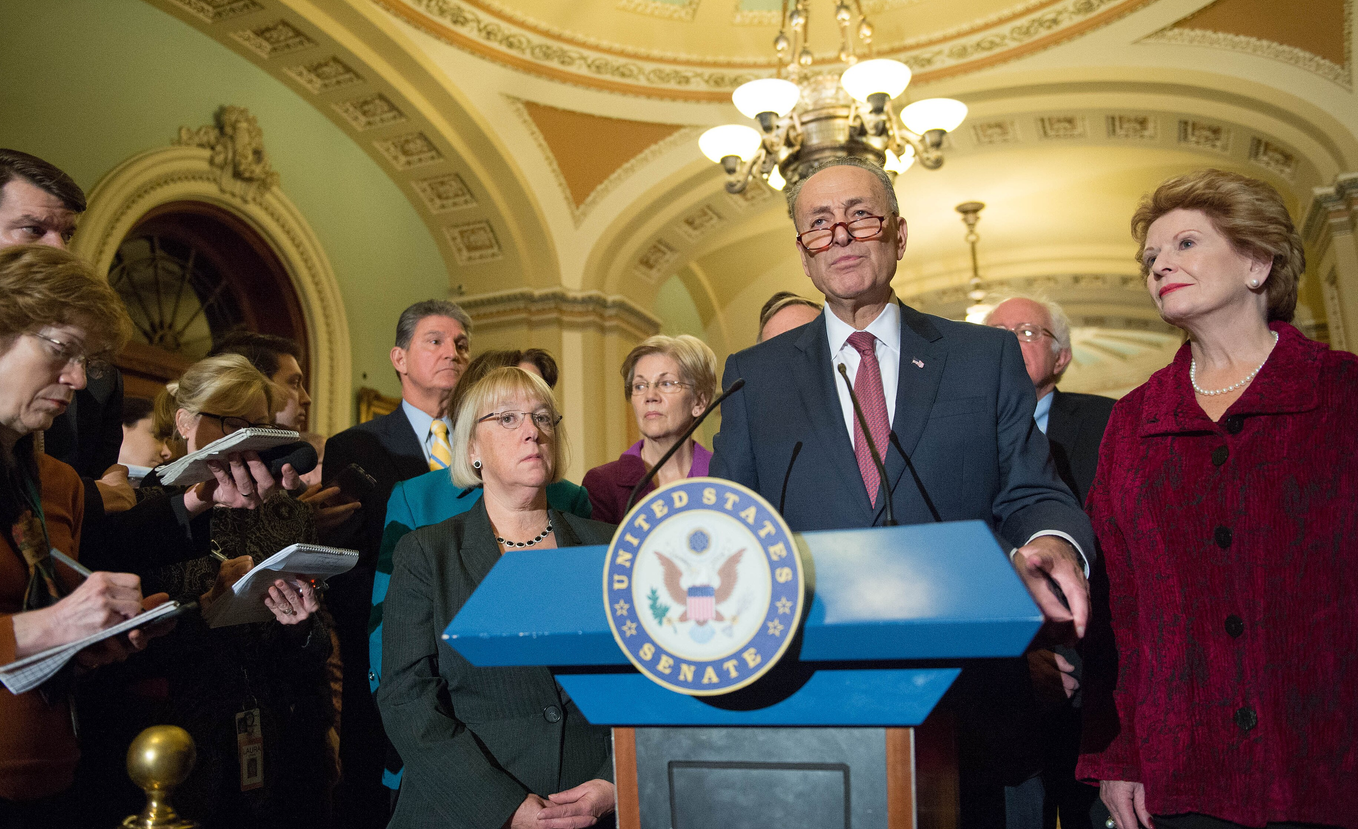

By: Joint Center President Dedrick Asante-Muhammad & Joint Center Senior Researcher Dr. LaShonda Brenson
Photos: Wikimedia Commons
The Senate Democratic Diversity Initiative’s latest staff diversity survey offers two stories about the U.S. Senate. One is encouraging: Democratic staff is the most diverse (43 percent) it has been since they began collecting this data, with 40 percent more staffers of color than in 2017. Yet at the same time, our report, Unrepresented: Black and Latino Leadership Among Senate Committee Top Staff , highlights a continued deep lack of staff representation in Senate committee leadership positions where legislation is drafted, oversight is conducted, and some of the nation’s most consequential policy decisions are shaped.

The Joint Centers’ new report examines who occupies the Senate’s most senior committee positions — staff directors, deputy staff directors, chief counsels, general counsels, and policy directors. These positions shape legislative priorities, negotiate bipartisan agreements, oversee federal agencies, advise committee chairs and ranking members, and manage hundreds of professional staff.
African Americans, who comprise nearly 12 percent of the U.S. population, hold only 2.7 percent of Senate committee staff director positions and only 2.4 percent of other senior committee leadership positions. Latina/o Americans are similarly underrepresented in these top policymaking roles despite representing nearly one in five Americans.
These disparities matter because committee leadership is one of Congress’s most important talent pipelines. Staff directors and policy directors often become executive branch officials, agency leaders, judges, and future congressional chiefs of staff. When Black and Latina/o professionals are consistently absent from these positions, the effects extend far beyond a single committee — they shape the future leadership of the federal government itself.
Importantly, this challenge is bipartisan.
Democratic committees have made substantially more progress in diversifying their overall staffs than Republicans, and Senate Democrats deserve credit for leading Congress in publicly releasing workforce demographic data over the past decade. Transparency has allowed researchers, advocates, and Senate leadership to measure progress and identify continuing challenges. To date, Senate Republicans have yet to publicly release any data on the diversity of their staffs.
But transparency has also revealed that representation becomes far thinner at the highest levels of authority.
Some Democratic committees continue to have no Black staff at all. Others have very few Black staff despite overseeing policy areas with profound implications for Black communities. Similar challenges exist for Latina/o representation across numerous committees.
Some offices point to deputy communications directors, deputy policy directors, or other senior advisors as evidence of diversity within their leadership teams. Those contributions should be recognized. But they are not substitutes for representation in the positions that formally direct committee operations, manage legislative strategy, supervise staff, and exercise final decision-making authority.
The challenge before the Senate is therefore less about entry-level hiring than leadership development.
Congress should also deepen its commitment to transparency.
For ten years, Senate Democrats have set the standard by publicly releasing demographic information about committee and personal office staff. The next step is releasing disaggregated demographic data by position. Understanding who serves in mid-level and senior leadership roles would provide a much clearer picture of whether the Senate is building equitable pathways into its most influential policymaking positions. Senate Republicans should likewise begin publicly reporting staff demographic data so progress can be measured across both parties.
Ultimately, this conversation is about strengthening one of the nation’s most important democratic institutions.
Congress functions best when it draws upon the broadest possible range of talent and lived experience. Committees responsible for banking, health care, agriculture, education, housing, taxation, foreign affairs, and the judiciary make decisions affecting every community in America. Leadership teams that better reflect the entire nation are more likely to recognize emerging challenges, ask different questions, and identify policy solutions that might otherwise be overlooked.
The Senate has demonstrated that progress is possible. Overall workforce diversity has improved substantially over the past decade because leaders chose to measure it, prioritize it, and publicly report it.
Now the Senate must apply that same commitment to the positions where leadership, influence, and policymaking authority are concentrated.
The breadth of experience and people in the nation should be reflected not only throughout committee offices, but also around the tables where America’s laws are written.