Africa’s wealthiest king marks 27 years on the throne, but more citizens are leaving for Europe despite economic progress
King Mohammed VI marked 27 years on Morocco’s throne this week, presiding over a country that has become one of Africa’s leading centres for manufacturing, trade and investment, even as thousands of its citizens continued to risk dangerous crossings in search of opportunities in Europe.
 Black News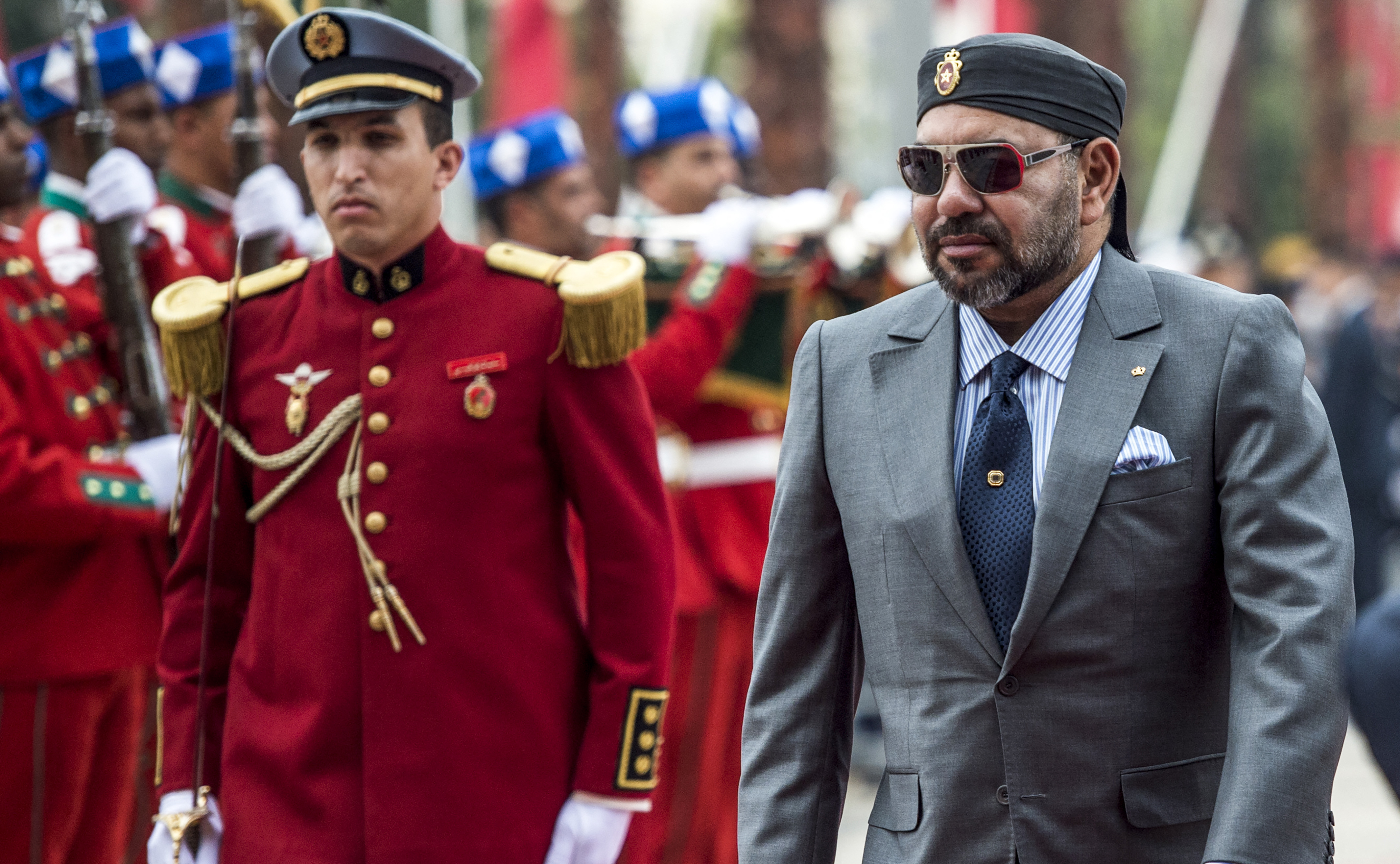


King Mohammed VI marked 27 years on Morocco’s throne this week, presiding over a country that has become one of Africa’s leading centres for manufacturing, trade and investment, even as thousands of its citizens continued to risk dangerous crossings in search of opportunities in Europe.
- King Mohammed VI marked 27 years on Morocco’s throne amid praise for the country’s economic growth and expanding global influence.
- The anniversary coincided with a mass migration crisis as tens of thousands of Moroccans crossed into Spain’s enclave Ceuta, straining local services and leaving dozens dead.
- The country has also bolstered its military capabilities, signing major defense agreements with the United States and other global partners.
- Despite economic advances, many Moroccans continue to face unemployment and inequality, leading to youth protests and ongoing migration pressures toward Europe.
Africa’s wealthiest monarch, King Mohammed VI, received praise from foreign leaders for Morocco’s economic progress and growing influence as he marked 27 years on the throne, shortly after the country overtook South Africa as the continent’s leading industrial economy.
However, the anniversary coincided with a mass migration surge into Ceuta, Spain’s territory on the North African coast, placing Madrid under pressure from other European capitals and drawing attention to the social challenges that remain despite Morocco’s economic gains.
The latest influx reflected a wider migration problem, with EU data showing about 275,000 cases of Moroccan citizens found irregularly present across the bloc between 2021 and 2025, including visa overstayers and possible repeat detections.
World Leaders Mark the Anniversary
Despite those domestic and regional pressures, Mohammed VI celebrated Throne Day at the Royal Palace in Tetouan, where congratulatory messages from kings and world leaders highlighted Morocco’s growing diplomatic reach.
Britain’s King Charles III, the Netherlands’ King Willem-Alexander, Belgium’s King Philippe, Sweden’s King Carl XVI Gustaf and Jordan’s King Abdullah II were among the monarchs who sent messages.
Oman’s Sultan Haitham bin Tarik, Bahrain’s King Hamad bin Isa Al Khalifa and Saudi Crown Prince Mohammed bin Salman also congratulated him.
Elsewhere, messages came from Chinese President Xi Jinping, Russian President Vladimir Putin, Egyptian President Abdel Fattah El-Sissi and Senegalese President Bassirou Diomaye Faye.
Collectively, the messages reinforced the image of a monarch closely associated with Morocco’s economic transformation and expanding international influence.
Mohammed VI is widely regarded as Africa’s wealthiest king, with previous estimates placing his fortune at about $5.7 billion, largely linked to the royal family’s holdings in Al Mada.
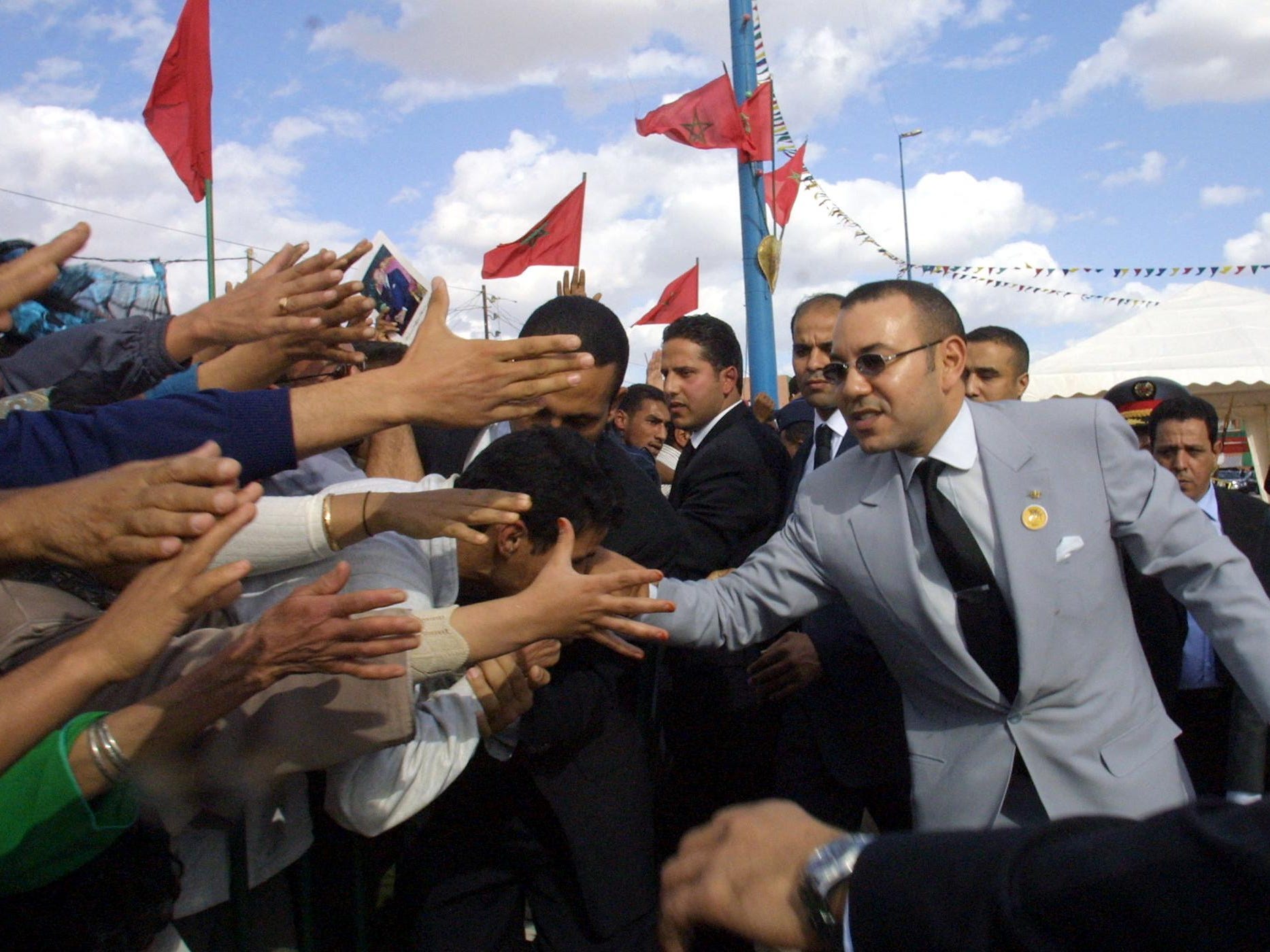
From Slow Growth to an Industrial Hub
When Mohammed VI succeeded his father, King Hassan II, in 1999, Morocco had endured years of relatively weak growth.
At the time, the economy depended heavily on agriculture, tourism, phosphate exports and remittances from citizens abroad.
Industrial capacity remained limited, while unemployment and rural poverty continued to affect large parts of the population.
Since then, Morocco has invested heavily in ports, roads, high-speed rail, renewable energy and industrial zones.
Most notably, Tangier Med has developed into one of Africa’s leading ports, positioning Morocco as a logistics gateway linking the continent with Europe and global markets.
At the same time, the country has become a major automotive and aerospace manufacturing centre, attracting global companies to build factories and supplier networks because of its infrastructure, trade agreements and proximity to Europe.
As a result, Morocco’s per-capita gross domestic product has almost doubled since the late 1990s, while the economy grew by about 4.8% in 2025 and is projected to expand by 4.4% in 2026, supported by agriculture and infrastructure investment.
Foreign direct investment inflows also nearly doubled to about $3.34 billion in 2025, partly driven by electric vehicles, battery manufacturing and clean-energy projects.
Expanding Military Influence
Alongside its industrial expansion, Morocco has strengthened its military position as strategic competition intensifies across North Africa.
The country signed a 10-year defence cooperation roadmap with the United States covering 2026 to 2036 and secured approvals for possible Stinger missile sales worth $825 million and air-to-air missiles valued at more than $88 million.
Morocco has also ordered 24 AH-64E Apache helicopters and has been linked to a possible F-35 acquisition that, if completed, would make it the first African country to operate the stealth fighter.
Backed by record defence spending in 2025, these acquisitions have reinforced Morocco’s position among North Africa’s leading military powers.
Economic Progress Meets Social Pressure
Despite Morocco’s economic gains, the benefits have not reached all citizens equally.
Youth-led protests broke out in September 2025 over jobs, healthcare and education, with some demonstrations turning violent before the government pledged dialogue and reforms.
The unrest highlighted the gap between industrial expansion and the economic pressures facing much of the population, an issue renewed by the latest migration surge into Ceuta.
The North African nation has become a major centre for automotive manufacturing, aerospace, logistics and renewable energy, strengthening its position across Africa and global markets.
However, the scale of the crossings showed that many citizens remain unconvinced that this progress is creating enough opportunities at home.