AfriRock Dance Company celebrates 10 years in Houston
Ghanaian choreographer Lydia Rockson built AfriRock into a decade-defining Houston Afrobeats dance institution.
 Black News


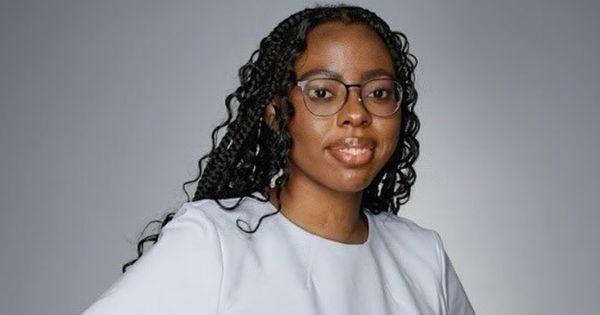
Lydia “LydRock” Rockson wanted a place to dance. A place where she can build a community and teach people about the versatility of the Afrobeats music genre.
That need has grown into AfriRock Dance Company, a Houston-based Afrobeats dance company marking its 10th anniversary this year.
Rockson, born in Tema, Ghana, and raised between New York and Fort Worth, Texas, graduated from the University of Houston with a degree in psychology. She said her path started with UH’s Nigerian Student Association, which welcomed students from across the African diaspora.
“This was my origin story,” Rockson said. “People have villain origin stories. Mine is different, she said. “Dancing at the group’s events was my first real exposure to Afrobeats and African dance, and I was stuck ever since.”
After graduating, Rockson noticed that Houston had a strong hip-hop dance class scene, but not much was built around the Afrobeats sound gaining momentum at the time. In 2016, she started holding weekly classes, modeling them on hip-hop-style sessions that ended with a group choreography routine. She said she was not trying to start a company; she was trying to fill a gap for herself and other dancers who felt the same way.
“I named the company AfriRock, combining “Afri” for Africa with “Rock” from my last name. I wanted the name broad enough to reflect my full dance background, from jigging to hip-hop to step team, rather than being confined to one style.”
By her second or third year, Rockson said she felt burned out handling every part of the business herself, from choreographing and marketing to booking studio space and teaching. She began training other instructors so dancers could focus on performing rather than the workload that had worn her down.
Growth hasn’t guaranteed financial stability. Rockson still does not draw a steady income from AfriRock and has weighed its expenses against ticket sales and bookings that sometimes fall through. She said the support the company receives outweighs the financial strain and that watching its impact has kept her going “until the wheels fall off.”
That impact reached new heights in June, when AfriRock performed at the FIFA Fan Festival Houston. Rockson said she began pursuing a spot on that stage a year in advance and moved up the company’s anniversary date to align with the tournament’s arrival in the city. After the formal audition window had already closed, a festival coordinator called her directly to invite AfriRock’s dancers, a moment Rockson credited to faith.
MarShana Gilder met Rockson in 2016 while the two worked together at Nordstrom. Gilder, who had recently moved to Houston from California, said Rockson’s warmth made an immediate impression.
“She literally just embraced me fully,” Gilder said, adding that Rockson was already talking about starting a dance studio and other ventures years before AfriRock became what it is today. “She’s extremely inspirational. She thinks outside of the box, and when I tell you she is a go-getter, honey, Lydia will put her mind to something, and it will happen.”

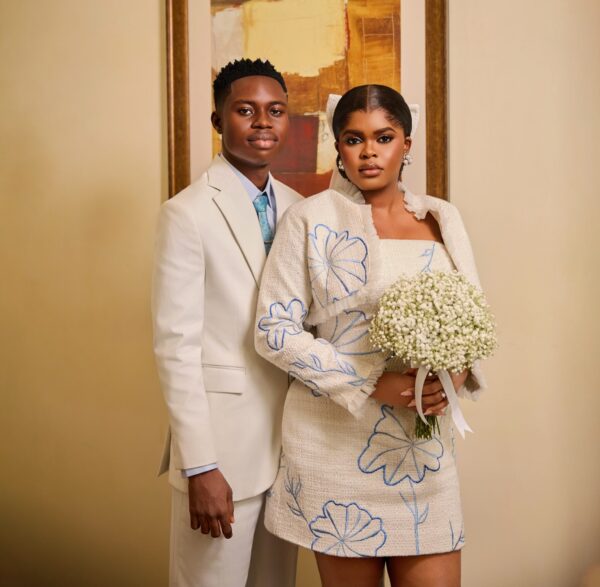
AfriRock Dance Company delivers authentic, high-energy cultural dance classes and immersive workshop experiences for every occasion. Credit: Courtesy: AfriRock Dance Company 
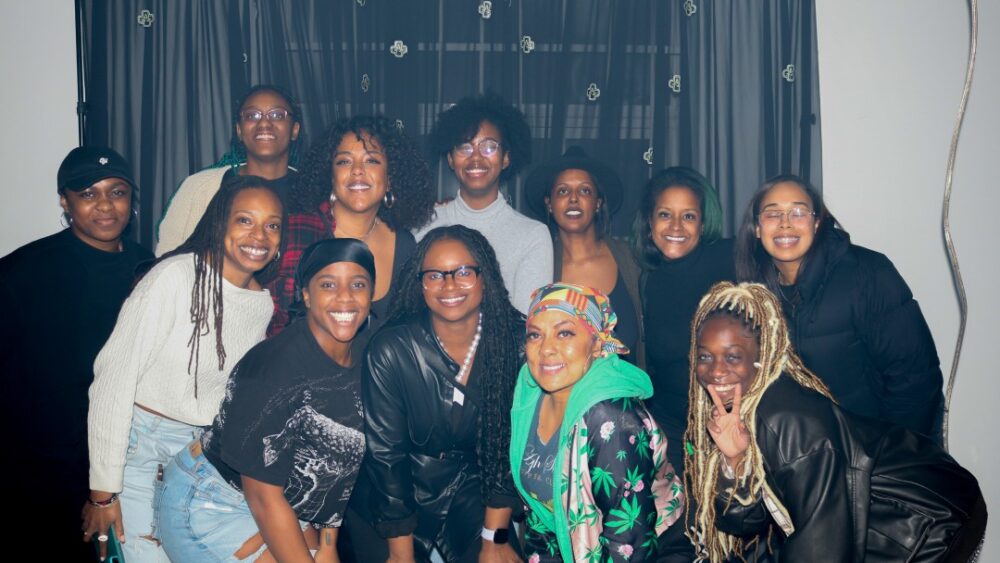
AfriRock Dance Company delivers authentic, high-energy cultural dance classes and immersive workshop experiences for every occasion. Credit: Courtesy: AfriRock Dance Company 
AfriRock Dance Company delivers authentic, high-energy cultural dance classes and immersive workshop experiences for every occasion. Credit: Courtesy: AfriRock Dance Company 
AfriRock Dance Company delivers authentic, high-energy cultural dance classes and immersive workshop experiences for every occasion. Credit: Courtesy: AfriRock Dance Company
Gilder described Rockson as someone who has weathered quiet, uncertain stretches without letting them show publicly, recalling periods when Rockson went quiet on social media only to reemerge with a new project, including a thrift-shopping video series she launched with a friend. She also called Rockson’s dancing “impeccable,” saying she builds choreography as naturally as telling a story.
Rockson said Houston was always the right home base for AfriRock, describing the city as an underestimated hub for its African community. “Houston’s next up,” she said she told skeptics back in 2015.
“I named the company AfriRock, combining “Afri” for Africa with “Rock” from my last name. I wanted the name broad enough to reflect my full dance background, from jigging to hip-hop to step team, rather than being confined to one style.”
-Lydia “LydRock” Rockson, Founder, AfriRock Dance Company
Now, her goal is a permanent AfriRock Creative Studios, a physical home where students and instructors are not dependent on borrowed space. She currently operates out of a studio owned by a fellow entrepreneur and fitness professional, Prince Tunde Salawuadeniyi, co-founder of Ilekan Athletic Club, after years at a previous Houston location.
“If we don’t ever get a studio, we did it,” Rockson said. “But it’s year 10. It’s time to go hard or go home.”