Race erased from Houston MWSBE program: Now what?
Business leaders share strategies helping Black entrepreneurs navigate contracting changes while strengthening community-based economic resilience.
 Black News


For decades, Houston’s Minority, Women, and Small Business Enterprise (MWSBE) Program has served as an important gateway for Black-owned businesses seeking city contracts and opportunities to grow.
Now, that landscape has changed thanks to a recent court ruling that removed race from consideration in the city’s contract-awarding process. And for many Black entrepreneurs, the question is no longer simply what happened. It’s what happens next.
A recent federal court ruling prohibits the City of Houston from considering race when awarding certain public contracts, eliminating the race-conscious portion of the MWSBE Program. The decision also applies to the Midtown Management District’s minority contracting program.
“I think concerned citizens of every walk of life who want to help Black business owners should connect with and join chambers of commerce that focus on those communities and intentionally patronize those businesses.”
Rev. Carol Guess
While the city has said it will comply immediately, the ruling leaves the women-owned and small-business portions of the program intact, and existing contracts are not affected.
But regarding how Black businesses move going forward, business leaders say the answer lies in collaboration, community investment, strategic partnerships, and political engagement.
Build stronger Black business ecosystems
Rev. Carol Guess, chair of the Texas Association of African American Chambers of Commerce, believes the response must begin within the community.
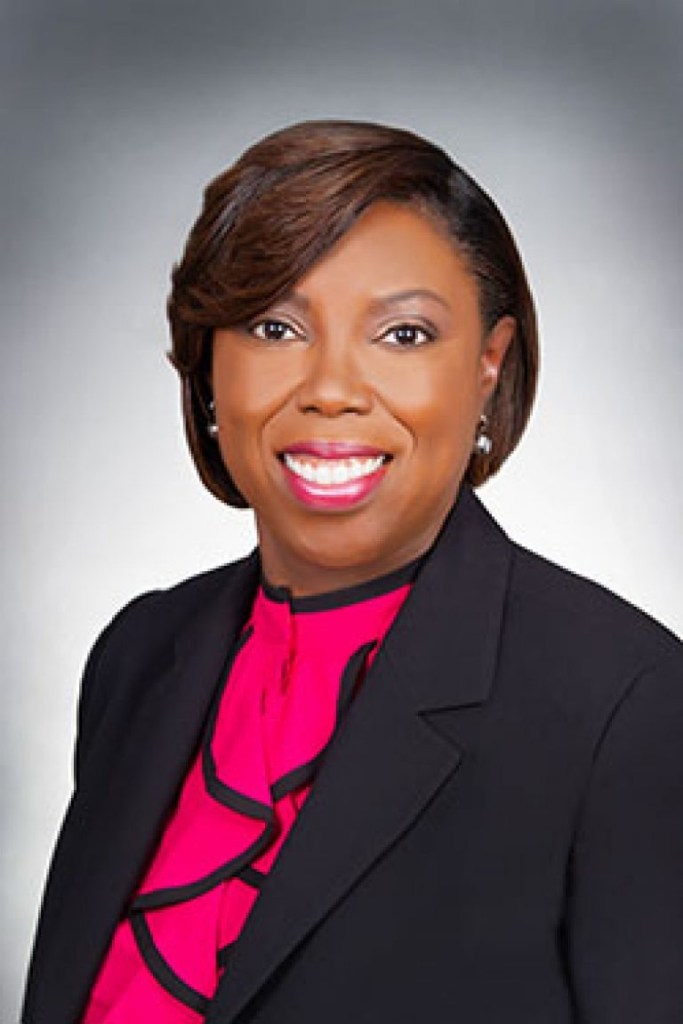
“I think concerned citizens of every walk of life who want to help Black business owners should connect with and join chambers of commerce that focus on those communities and intentionally patronize those businesses,” Guess said.
She points to organizations such as the Greater Houston Black Chamber of Commerce, the Tri-County Black Chamber, the Black Chamber of Brazoria County, and the Texas Association of African American Chambers as places where consumers and companies can discover Black-owned businesses.
Her message is simple: If fewer public opportunities are available, private support becomes even more important. Also, keeping dollars circulating among Black-owned businesses can help offset lost contracting opportunities while creating stronger local business networks.
Partner instead of competing alone
Although race can no longer be considered in many city contracting decisions, Guess says opportunities still exist.
“The ruling was narrowly tailored to focus on race,” she said. “Women-owned and small-business classifications will still be considered when awarding City of Houston contracts.”
That means Black-owned businesses should explore strategic partnerships.
“If you’re going after a City of Houston contract, partner with a woman-owned or other small business to build capacity to bid,” Guess said.
She also encourages Black businesses to intentionally buy from one another.
“Look for Black businesses that you can supply goods and services to—and that can supply your business.”
Those supplier relationships can create new revenue streams while strengthening the broader Black business ecosystem.
Certification still matters
The ruling removes race as a contracting factor, but it does not eliminate Houston’s MWSBE program altogether. That distinction is important.
Many businesses have spent years obtaining certifications, building relationships, and learning how to navigate government procurement. Niles Dillard, owner of Superior Video Productions, knows firsthand how one opportunity can transform an entire business.

Originally focused on wedding videography, his company expanded dramatically after becoming certified through Houston’s program.
“We went from wedding videography to doing business with the NFL, NCAA, and major corporations because of that opportunity,” he said.
The exposure led to work on two Super Bowls, as well as contracts with the City of Houston, the Houston Airport System, and Houston ISD. But Dillard worries future entrepreneurs may find it harder to access similar opportunities.
“The playing field has never been level,” he said. “We weren’t looking for handouts. We were looking for the opportunity to be at the table when everything begins.”
Even so, existing certifications, procurement knowledge, and business relationships remain valuable assets that companies can leverage beyond race-conscious contracting programs.
Adapt without panic
Craig Amos, an IT professional, acknowledges many Black-owned businesses are experiencing what he calls “revenue starvation.”
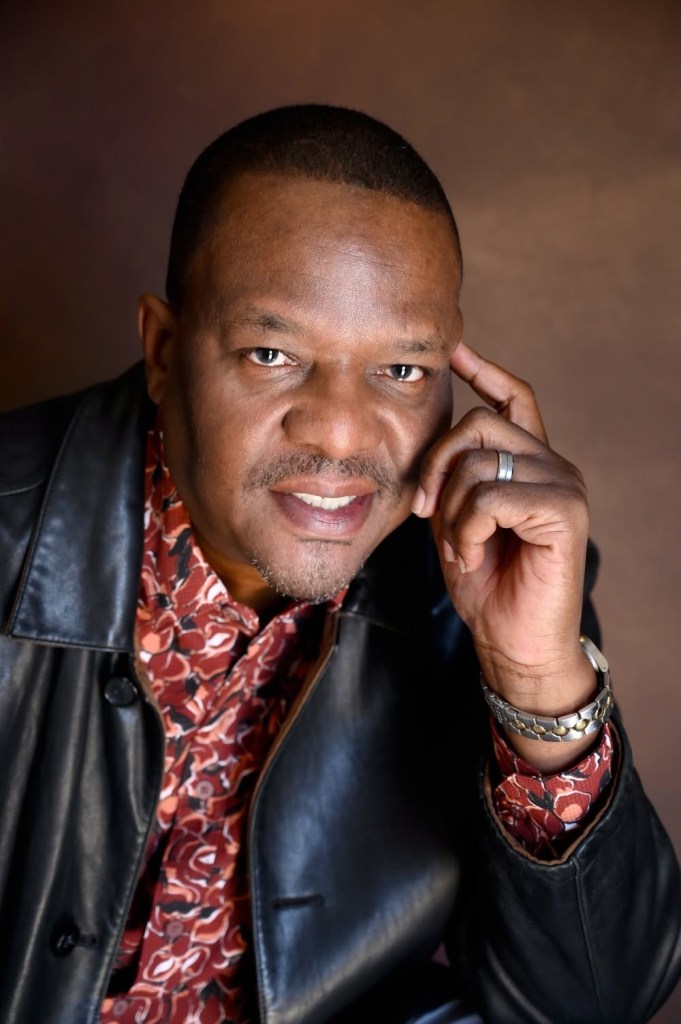
“But instead of panicking,” Amos said, “we have enough resources within our own communities to strengthen ourselves, strengthen our communities, and build our Black businesses back up.”
The business/politics connection
Guess believes the ruling also serves as a reminder that business and politics are deeply connected. She notes that federal judges hold lifetime appointments and that judicial decisions often reflect the long-term consequences of elections.
“This ruling is a consequence of who people elected decades ago,” Guess said. “If potential voters stay home because they don’t like any of the candidates, they’re effectively helping choose the people who may appoint judges whose decisions affect them later.”
Her advice is straightforward: vote in every election, from local races to presidential contests.
For Black entrepreneurs, civic engagement is more than a political exercise. It can shape the business environment for generations.
Judson Robinson III, president and CEO of the Houston Area Urban League, echoed that advice.
“We have to become more engaged as a people. We must become better informed, get involved in our politics, our civic opportunities, learn and defend our rights in public spaces of discourse, and we must vote,” shared Robinson. “The system was never perfect and it remains broken. So, let’s get involved and rebuild a new system that truly works for all of our people.
“Yes, protest, boycott. Yes, debate and challenge decisions that affect us negatively. Do not sit idly by. Get in ‘good trouble.’”