Kariba boat tragedy: Was Rural Infrastructural Development Agency’s insurance warning issued weeks earlier clairvoyance or mere coincidence?
AS Mashonaland West, and indeed the rest of Zimbabwe, grapples with the devastating Lake Kariba boat disaster, a notice issued by the vessel’s management just weeks before the tragedy is raising uncomfortable questions. On July 22, 2026, management of the Rural Infrastructural Development Agency (RIDA)-operated Mbuya Nehanda KF551 ferry urged passengers to provide their correct […] The post Kariba boat tragedy: Was Rural Infrastructural Development Agency’s insurance warning issued weeks earlier clairvoyance or mere coincidence? appeared first on NewZimbabwe.com.
 Black News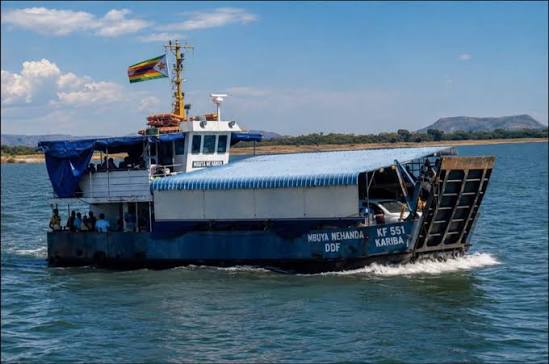

AS Mashonaland West, and indeed the rest of Zimbabwe, grapples with the devastating Lake Kariba boat disaster, a notice issued by the vessel’s management just weeks before the tragedy is raising uncomfortable questions.
On July 22, 2026, management of the Rural Infrastructural Development Agency (RIDA)-operated Mbuya Nehanda KF551 ferry urged passengers to provide their correct names when purchasing tickets, stressing that accurate passenger details were critical to accessing insurance cover in the event of an accident.
Less than three weeks later, the vessel capsized on Lake Kariba, leaving at least 15 people dead and 27 missing, according to the Civil Protection Unit. Seventy-seven people were rescued. The authorities said registered ticket sales accounted for 114 adult passengers and five crew members, while the vessel had a stated capacity of 90 people.
The timing of the July notice now invites a haunting question: Was it clairvoyance, or merely coincidence?
The notice, published by RIDA Boat management, read: “RIDA Boat, Mbuya Nehanda KF551 management, urges all passengers to ensure they provide their correct names, as they appear on their national identity documents, when purchasing voyage tickets.
“The appeal follows the discovery of several tickets on which passengers, both men and women, have used the names of their children or pseudo names instead of their own first names, creating discrepancies between the tickets and their identification documents.
“RIDA Boat has insurance that covers both the traveller and their luggage. A passenger can only benefit from this cover if the name on the ticket corresponds with the name on their identity documents.”
Management had further urged passengers to verify their personal details before completing ticket purchases, saying this would prevent inconveniences and ensure eligibility for insurance benefits should an incident occur.
At the time, the warning appeared to be a routine administrative reminder. In hindsight, however, its reference to an “incident” and the need for accurate passenger records takes on a much more sombre meaning.
The tragedy has also exposed the importance of passenger manifests and accurate records during emergency response operations. With authorities saying there may have been children below ticketing age who were not captured in the registered passenger figures, establishing exactly who was aboard has become a critical part of the rescue and recovery operation.

Meanwhile, the captain of the ill-fated vessel has been identified as Sign Patsikadova, who also died in the tragedy.
For families now waiting for news of loved ones, the July 22 notice may offer little comfort. But it leaves behind a striking question for investigators and authorities: What did RIDA know about its passenger-recording challenges before the disaster, and why did that warning become so tragically relevant weeks later?
Whether the notice was simply a coincidence or an indication of problems that management had already identified, one thing is clear: the warning now deserves to be examined alongside the circumstances that led to the disaster.
The question is no longer simply who was aboard the Mbuya Nehanda vessel. It is whether the systems designed to know who was among the passengers were strong enough when the tragedy struck the ill-fated, dilapidated boat owned and run by RIDA, rebranded from the District Development Fund (DDF), that operates directly from the Office of the President and Cabinet (OPC).
The post Kariba boat tragedy: Was Rural Infrastructural Development Agency’s insurance warning issued weeks earlier clairvoyance or mere coincidence? appeared first on NewZimbabwe.com.