Africa eyes its own ‘Strait of Hormuz’ as €20 billion Spain–Morocco corridor gains traction amid global chokepoint risks
An African–European infrastructure project is gaining renewed attention beneath the Strait of Gibraltar, as Morocco and Spain advance plans for a subsea rail tunnel that could reshape trade flows between the two continents and provide a strategic alternative to global chokepoints such as the Strait of Hormuz.
 Black News

An African–European infrastructure project is gaining renewed attention beneath the Strait of Gibraltar, as Morocco and Spain advance plans for a subsea rail tunnel that could reshape trade flows between the two continents and provide a strategic alternative to global chokepoints such as the Strait of Hormuz.
- Morocco and Spain are advancing plans for a subsea rail tunnel beneath the Strait of Gibraltar to link Africa and Europe.
- The project aims to offer a strategic trade alternative to vulnerable routes like the Strait of Hormuz, especially amid global tensions.
- Estimated costs range from €15 to €20 billion, with construction potentially starting after 2035 if financing and agreements are secured.
- The tunnel could transform North Africa into a logistics hub, drastically reduce transit times, and enhance Africa's role in global supply chains.
Rising tensions in the Strait of Hormuz have prompted countries to reassess existing trade routes and consider alternative corridors to mitigate potential disruptions.
Attention is also shifting to the Strait of Gibraltar as a potential alternative route.
According to a February report by Indian Defence Review said the nuclear-powered USS Gerald R. Ford activated its public tracking beacon while sailing toward the strait, an unusual step for a vessel on operational deployment.
Tracking data showed the carrier approaching the Mediterranean gateway, highlighting the corridor’s strategic importance.
Notably, the project is drawing increased attention as tensions between the United States and Iran raise risks to global energy markets, with concerns that Tehran could disrupt flows through the Strait of Hormuz in the event of further escalation.
Such a disruption could constrain oil supply and drive sharp price increases, with some projections pointing to prices rising as high as $200 per barrel.
Strategic importance of the Gibraltar corridor
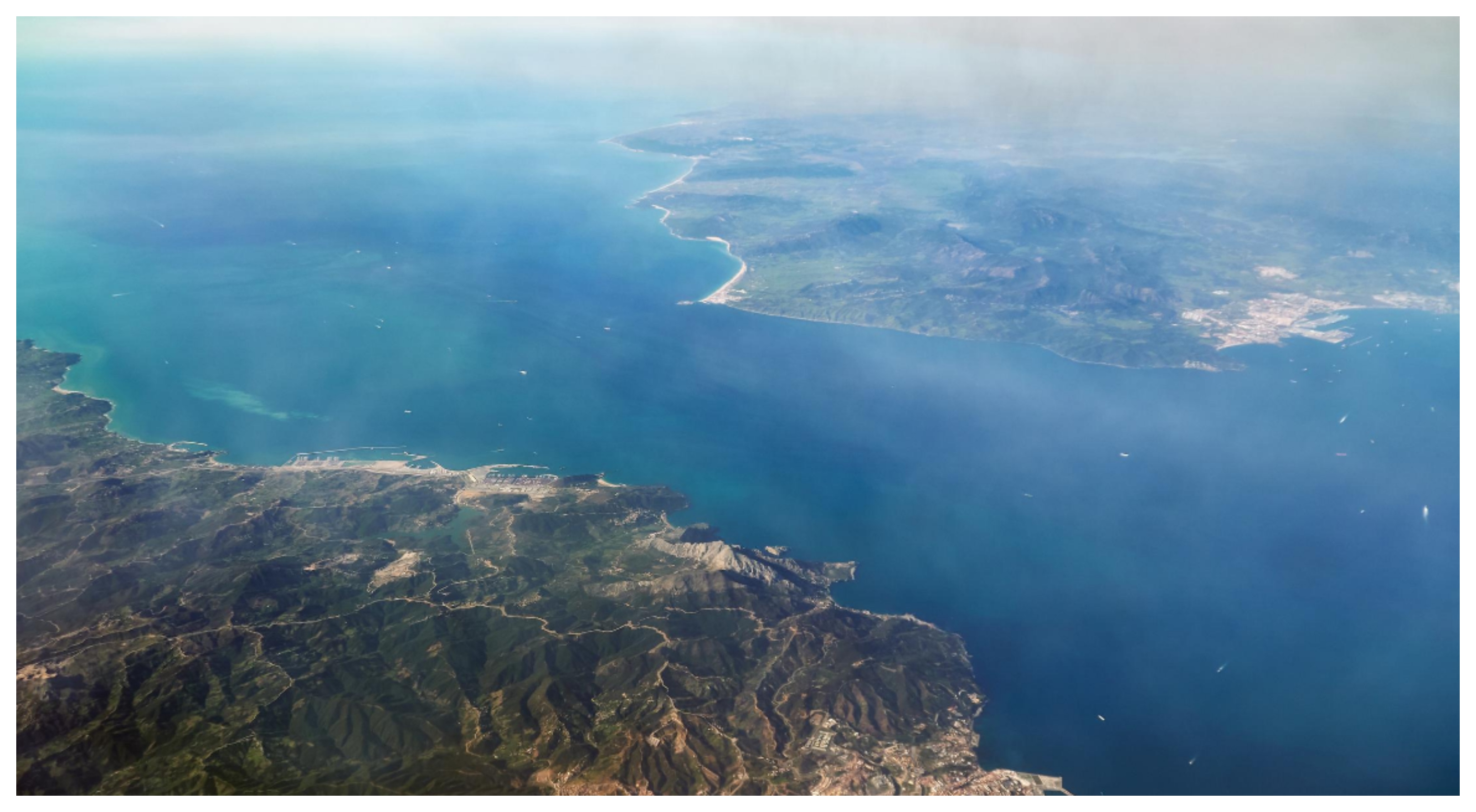
The Strait of Gibraltar remains the only natural link between the Atlantic Ocean and the Mediterranean Sea and is among the busiest maritime routes globally, with about 300 vessels crossing daily.
Before the opening of the Suez Canal in 1869, it served as the sole oceanic access point to the Mediterranean.
The planned tunnel would consist of two rail tubes carrying both passengers and freight, with a journey time of about 30 minutes.
Cost estimates vary, with total project costs ranging between €15 billion and €20 billion, while Spain’s share alone is estimated at more than €8.5 billion.
Project details and next steps
The proposed subsea rail tunnel linking northern Morocco and southern Spain has been under consideration since a 1979 agreement signed in Fez, with progress uneven over the years.
A Spanish government-commissioned study by German engineering firm Herrenknecht found the project technically feasible using current technology, according to Kursiv Uzbekistan.
Spanish consultancy Ineco is now preparing a detailed blueprint, with approval potentially as early as 2027.
The project, overseen by Spain’s SECEGSA and Morocco’s SNED, is expected to span about 42 kilometres, including roughly 27 kilometres underwater, linking Punta Paloma in Cadiz to Cape Malabata near Tangier.
Trade and logistics implications
The project could position North Africa as a logistics hub linking African production centres directly to European markets, while reducing reliance on vulnerable maritime routes.
It also aligns with broader efforts to strengthen trade under frameworks such as the African Continental Free Trade Area.
Engineering and geological challenges
Despite its strategic appeal, the project faces significant engineering challenges. Plans for a bridge were abandoned in 1996 due to extreme conditions in the Strait of Gibraltar, where depths reach up to 900 metres and maritime traffic is heavy.
Current plans focus on a deep rail tunnel routed through the Camarinal Sill, with depths of about 475 metres below sea level.
Engineers are expected to contend with unstable geological formations, including rock and clay layers, as well as seismic risks linked to the Azores–Gibraltar fault line.
“These conditions require a structure that can withstand both high pressure and seismic movement over decades,” a project engineer familiar with the studies said.
If completed, the tunnel would allow passenger and freight travel between Africa and Europe in about 30 minutes by rail, a development expected to reduce transit times and strengthen Africa’s position in global supply chains.