Africa's richest country takes charge of 16-nation bloc as $35.1 billion in trade with neighbours shapes its regional power
South Africa has taken over the chairmanship of the 16-member Southern African Development Community (SADC) with a push to deepen regional trade and industrialisation, even as the bloc struggles with weak growth, trade barriers and declining manufacturing.
 Black News


South Africa has taken over the chairmanship of the 16-member Southern African Development Community (SADC) with a push to deepen regional trade and industrialisation, even as the bloc struggles with weak growth, trade barriers and declining manufacturing.
- South Africa has assumed chairmanship of the Southern African Development Community (SADC), focusing on boosting regional trade and industrialisation.
- Economic growth in the region reached 3.4% in 2025, but this is below SADC's ambitious targets, with Zimbabwe the only country to meet the 7% growth goal.
- Intra-regional trade improved to 20% in 2025 but remains hindered by unresolved non-tariff barriers, trade disputes, and additional costs.
- Manufacturing continues to struggle, contributing just 10.9% to SADC’s GDP, far from the 30% target set for 2030.
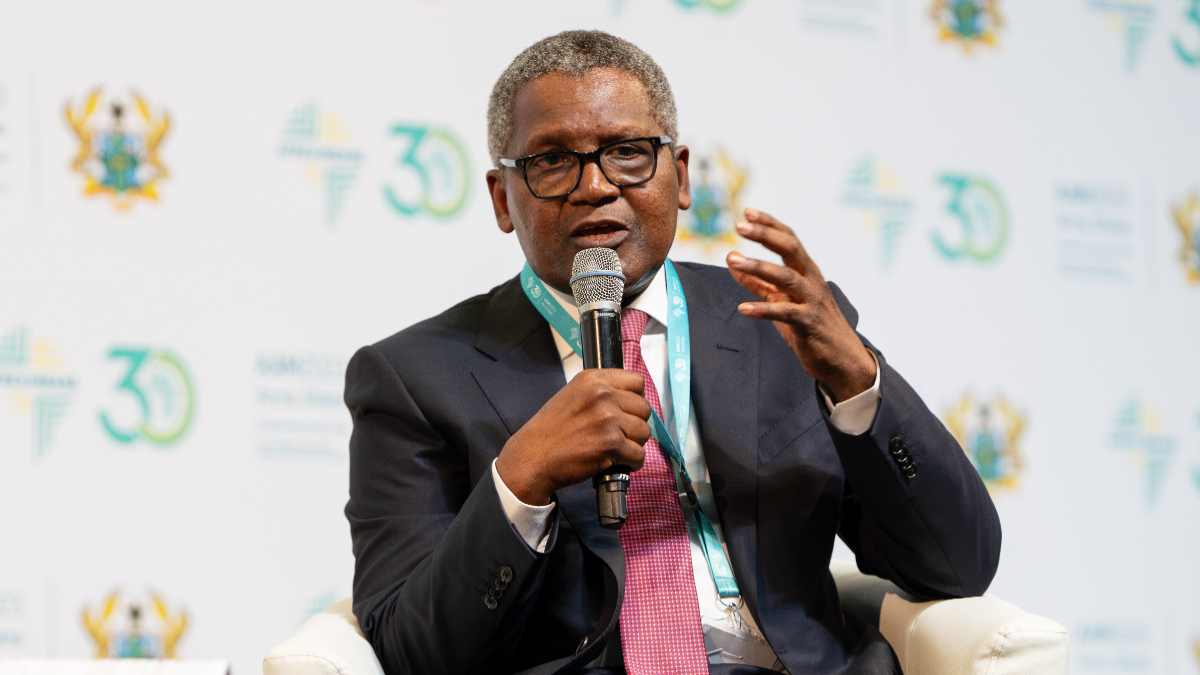
President Cyril Ramaphosa assumed the chairmanship this month as SADC leaders met in Durban, where the bloc’s latest State of the Region report highlighted several challenges holding back economic integration.
Regional growth rose to 3.4% in 2025 and is projected to reach 3.9% in 2026. However, the figures remain below SADC’s ambition of achieving sustained growth capable of creating jobs and accelerating development.
Only Zimbabwe achieved the bloc’s 7% growth target in 2025, and no member is expected to meet it this year, according to Bloomberg.
DON'T MISS THIS: U.S. watches as Europe’s most powerful military expands across 6 airbases in a North African nation with fighter jets, drones and air-defense systems
Trade remains a challenge
Intra-regional trade increased to 20% in 2025, but remained below pre-pandemic levels. The bloc still has nine unresolved non-tariff barriers, while trade disputes, import restrictions and additional charges continue to make cross-border commerce more expensive.
Manufacturing is another concern. Its contribution to SADC’s gross domestic product fell to 10.9% in 2025, significantly below the bloc’s target of 30% by 2030.
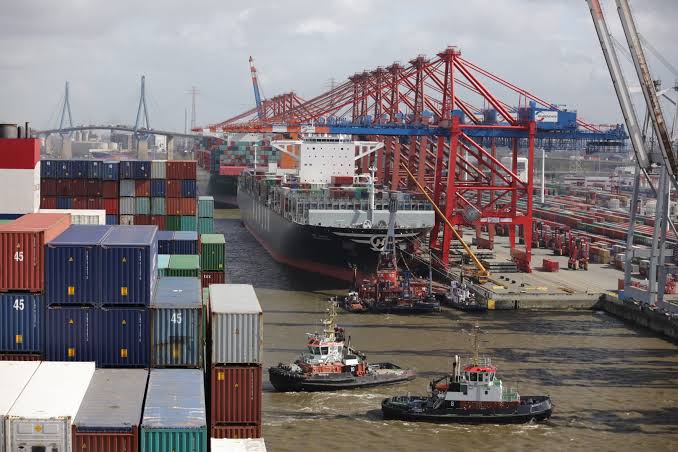
South Africa’s economic weight within the region makes its chairmanship particularly significant. The country exported $28.3 billion worth of goods to SADC countries in 2024 and imported $6.8 billion, according to data compiled by the Trade Law Centre.
SADC accounted for 91% of South Africa’s intra-African exports, with machinery, industrial products, food and consumer goods among the major exports.
DON'T MISS THIS: Africa’s largest private asset manager takes 5% stake in billionaire Johann Rupert’s investment empire as assets hit £171.8 billion
Migration adds tension
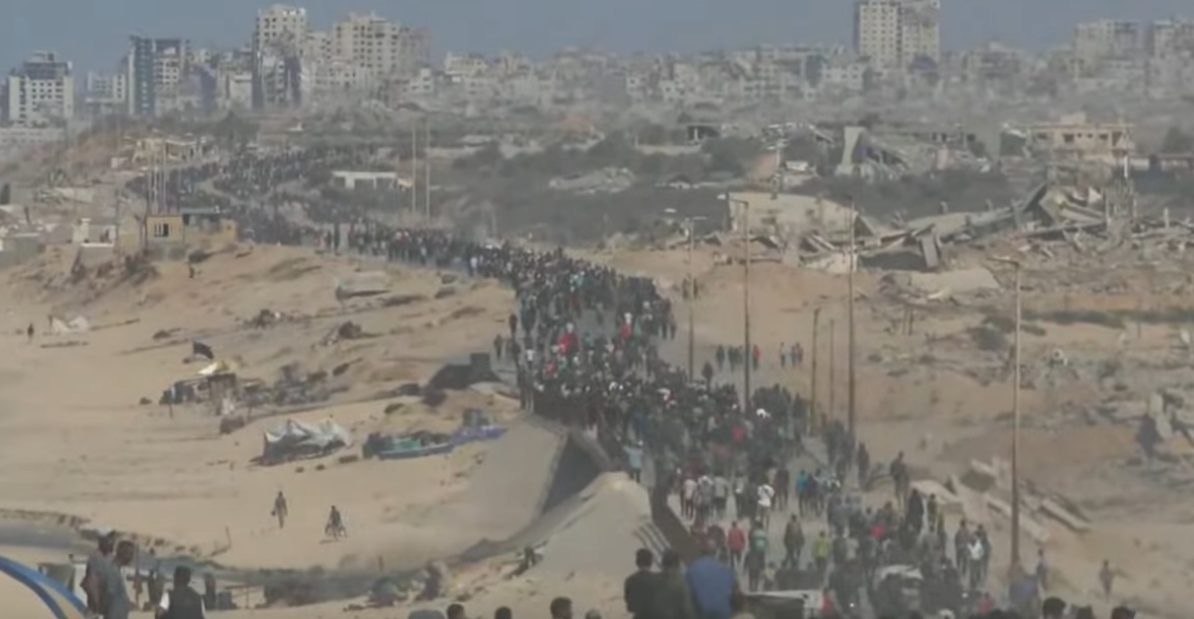
South Africa’s leadership also comes against a backdrop of tensions over migration. Protests against undocumented migrants in the country forced tens of thousands of people, particularly from Zimbabwe and Malawi, to leave South Africa.
Ramaphosa addressed the issue at the SADC summit, saying South Africa was concerned about discrimination against citizens of other countries.
“We cannot preach integration at summits and practice exclusion in our streets,” he said.
Focus on regional value chains
South Africa’s yearlong chairmanship will focus on industrialisation, regional value chains and infrastructure, including efforts to process more of the region’s critical minerals and agricultural products locally.
The SADC Regional Development Fund is also expected to play a bigger role as the bloc seeks to mobilise financing for industrial projects and infrastructure.
For South Africa, the challenge will be to turn its influence within the bloc into deeper economic integration at a time when regional trade remains constrained and industrial growth falls short of SADC’s ambitions.