After $11.4 million China satellite debt dispute, Nigeria turns to Israeli, French firms for next-generation satellites
Nigeria is turning to Israeli and French satellite manufacturers for its next-generation communications infrastructure, months after a dispute with a Chinese aerospace contractor exposed the country's dependence on China for critical satellite operations.
 Black News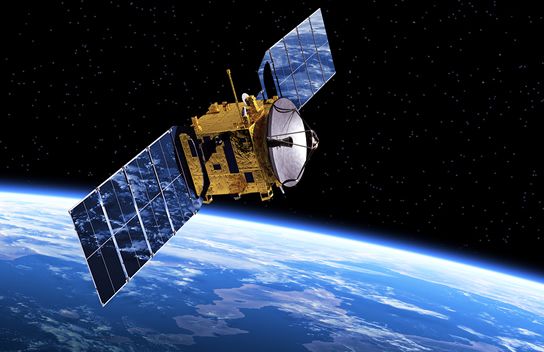

Nigeria is turning to Israeli and French satellite manufacturers for its next-generation communications infrastructure, months after a dispute with a Chinese aerospace contractor exposed the country's dependence on China for critical satellite operations.
- Nigeria is turning to Israeli and French satellite manufacturers for its next-generation communications infrastructure.
- The government has approved new satellites, NigComSat-2A and NigComSat-2B, to be supplied by Israel Aerospace Industries and Thales Alenia Space.
- The decision follows a dispute with China's CGWIC, which threatened to suspend services over a $11.44 million debt.
- Nigeria's new strategy aims to diversify international partners, boost broadband capacity, and extend digital services to underserved areas.
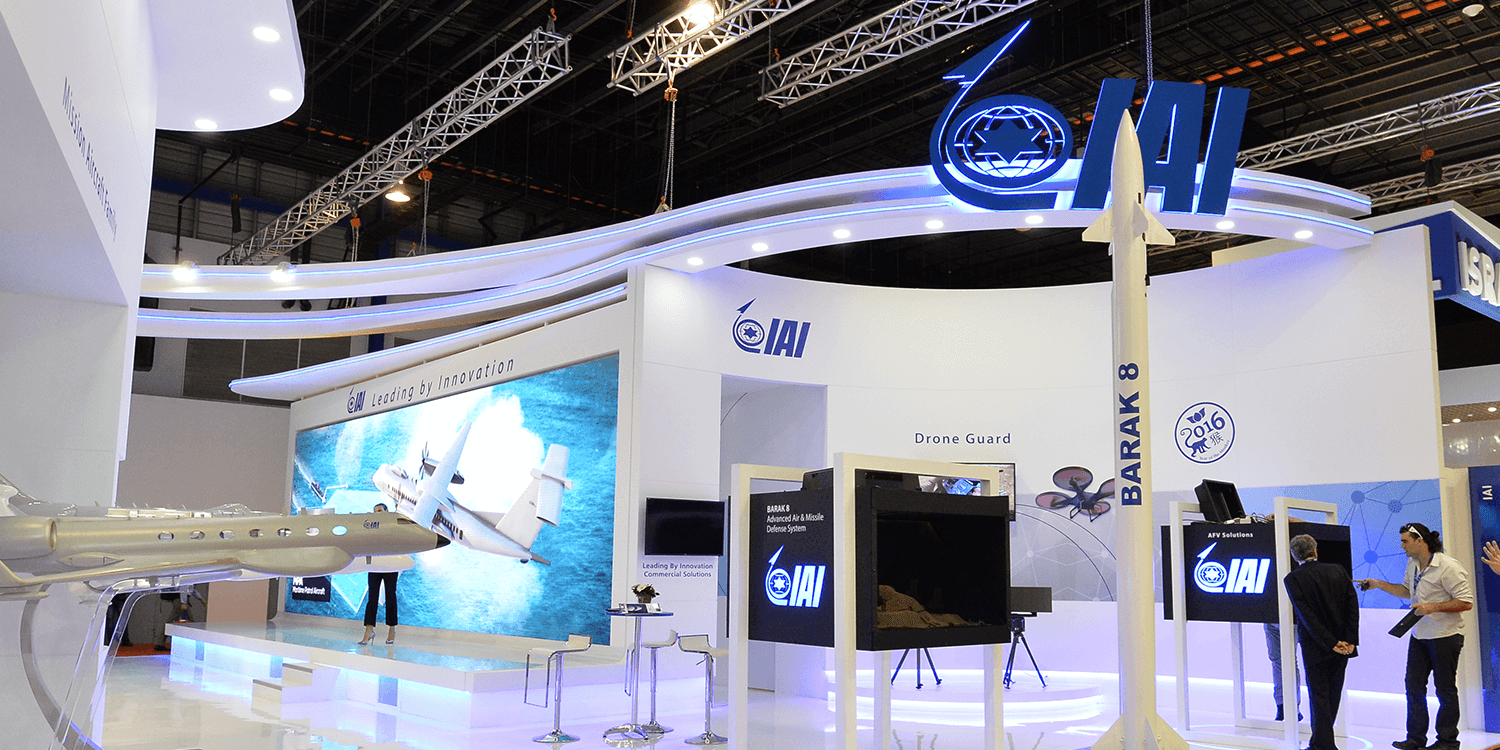
The Federal Government has approved the acquisition and deployment of NigComSat-2A and NigComSat-2B, with Israel Aerospace Industries (IAI) and France's Thales Alenia Space set to provide the new satellites.
The Federal Ministry of Communications, Innovation and Digital Economy and NIGCOMSAT are now engaging the two manufacturers, with contract finalisation and technical planning expected before manufacturing and launch.
The development comes about five months after China Great Wall Industry Corporation (CGWIC) warned that it could suspend services supporting Nigeria's existing NigComSat-1R over an outstanding $11.44 million debt.
DON'T MISS THIS: China warns Nigeria of satellite shutdown over $11.4 million debt
The move does not amount to a cancellation of Nigeria's Chinese satellite partnership. NIGCOMSAT continues to operate the Chinese-built NigComSat-1R, while its new Israeli-French programme represents a shift in suppliers for the country's next-generation satellite infrastructure.
From Chinese dependence to a diversified satellite programme
In March, CGWIC issued NIGCOMSAT a 30-day ultimatum over $11,442,335.89 it said was owed for telemetry, tracking and command services provided from its ground-control facility in Kashi, China.
The Chinese company warned that failure to settle the debt could lead to the deactivation of active transponders on NigComSat-1R, potentially affecting broadcasting, internet and defence communications.
The dispute highlighted Nigeria's reliance on Chinese technology. NigComSat-1R was built by CGWIC and launched from China's Xichang Satellite Launch Centre in 2011, replacing NigComSat-1, which was also built and launched by China in 2007.
NIGCOMSAT subsequently rejected the $11.4 million debt claim, saying its partnership with the Chinese company remained intact.
Nevertheless, the episode highlighted the strategic implications of relying on a foreign supplier for infrastructure supporting communications and national-security functions.
Nigeria is now bringing different international partners into its next satellite programme.
The new satellites will be supplied by IAI and Thales Alenia Space, marking a significant diversification of the foreign technology partners behind Nigeria's national communications satellite infrastructure.
Nigeria targets broader connectivity
NIGCOMSAT said the satellites will expand Nigeria's capacity for high-capacity broadband, broadcasting, enterprise connectivity and government services, while extending coverage to underserved and hard-to-reach communities.
The additional capacity is also expected to support education, healthcare, agriculture and financial services, while strengthening secure communications for critical national requirements, including national security and defence.
DON'T MISS THIS: ASECNA, in conjunction with NIGCOMSAT and Thales Alenia Space to accelerate SBAS development for aviation in Africa
NIGCOMSAT Managing Director Jane Nkechi Egerton-Idehen said the project represents an opportunity to strengthen Nigeria's position in the global satellite and digital economy.
“Our priority is to translate this investment into measurable value for Nigerians and position NIGCOMSAT for stronger impact within the global satellite and digital economy,” she said.
The first satellite is expected to be launched by the end of 2028, while the second is targeted for 2029 or 2030.
The move does not represent an end to Nigeria's relationship with China. Instead, it marks a diversification of the international partners behind its strategic space infrastructure.
China supplied Nigeria's existing communications satellites, but Abuja is now turning to Israeli and French manufacturers for the next generation as it seeks greater satellite capacity, resilient communications and expanded digital connectivity.