Chattel Slavery And The First Transnational Organized Crime Syndicate
By Steven Golding: The legal defense of the transatlantic slave trade has long rested on a persistent lie: that chattel slavery was a legitimate extension of African customs. However, historical records reveal the contrary: that chattel slavery was always illegal—a violation of natural, civil, and international laws engineered by European commercial interests who breached African…
 Black News
By Steven Golding:
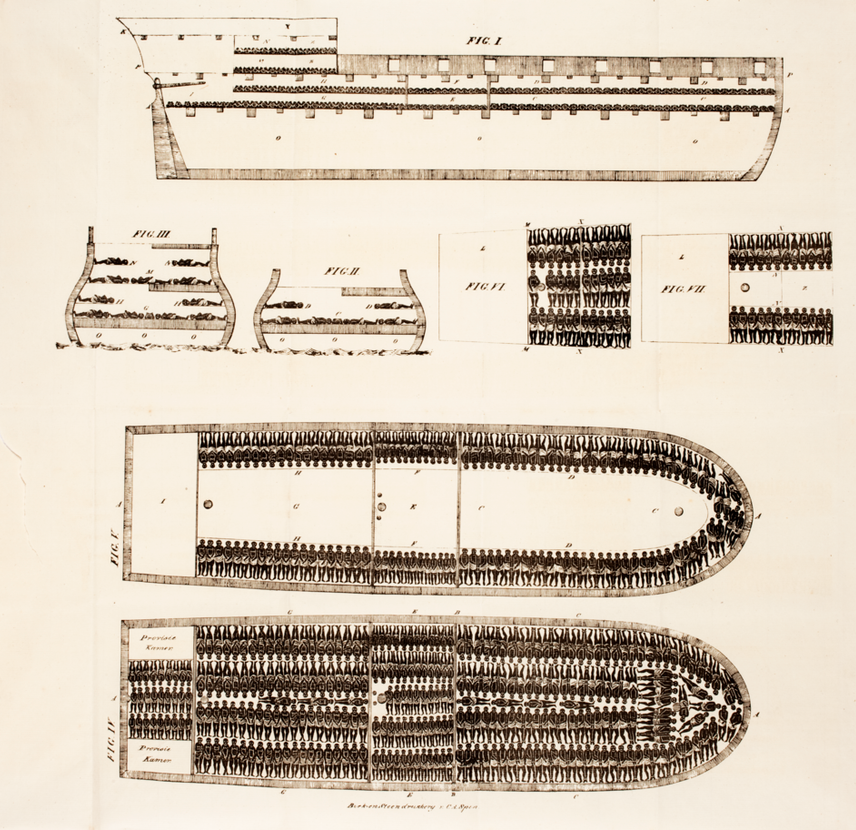
The legal defense of the transatlantic slave trade has long rested on a persistent lie: that chattel slavery was a legitimate extension of African customs. However, historical records reveal the contrary: that chattel slavery was always illegal—a violation of natural, civil, and international laws engineered by European commercial interests who breached African legal frameworks to manufacture human bondage.
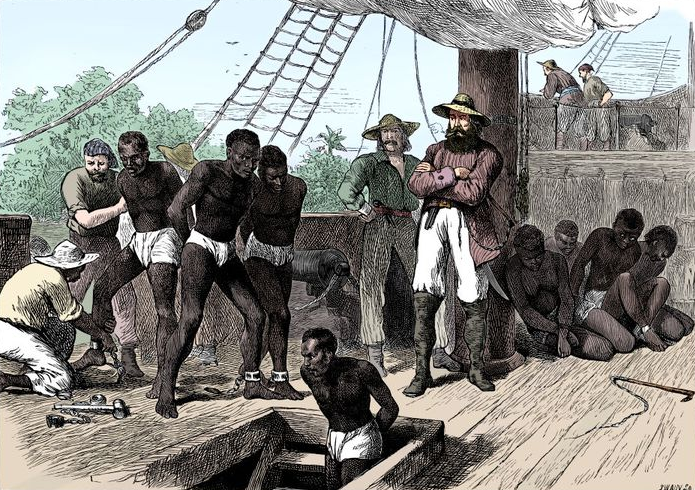
This diabolically inhumane enterprise was denounced from its inception. In 1526, King Affonso I of the Kongo wrote to King João III of Portugal detailing an international criminal racket where Portuguese merchants kidnapped free Kongolese citizens. Affonso declared these actions violated established treaties and sovereignty, stating his will “that in these Kingdoms there should not be any trade of slaves.” In order to satisfy labor demands in the Americas, the Portuguese state ignored these laws and instead worked to undermine the King and dismantle his kingdom which was one of only two Christian nations in Africa at the time (the other being Ethiopia).
A century and half later, another Prince of Kongo who had been exiled to Brazil mounted a sophisticated legal challenge to chattel slavery. In 1684, Prince Lourenço da Silva de Mendonça of Kongo, brought a formal criminal case before the Vatican Court in Rome. Representing a network of Black Christian confraternities, Mendonça accused the Vatican, Spain, Portugal, and Italy of crimes against humanity, arguing Atlantic chattel slavery violated human, natural, divine, and civil laws. In 1686, the Vatican’s Holy Office ruled the trade illegitimate and demanded punishment for traffickers, though the resolution was never enforced.
History forgets that Africans responded to Europe’s enforcement of chattel slavery in the Americas with immediate warfare. Unlike traditional African bondage—where captives retained basic humanity, legal recognition, and paths to community assimilation—chattel slavery stripped the individual of humans status entirely, reducing a soul to permanent, heritable real estate. This explains why there were no sweeping, systemic revolts against slavery as practiced in Africa, yet the moment Africans were introduced to chattel slavery in the Americas, their immediate reaction was to go to war against it. The first recorded major uprising occurred on December 25, 1521, on (Christopher Columbus’ nephew) Governor Diego Colón’s Santo Domingo plantation, where Wolof rebels fled into the interior of Hispaniola to form Maroon societies. In late 1526, the first 100 Africans enslaved in what became the USA revolted at San Miguel de Gualdape, killed their enslavers, and escaped to live among Indigenous nations, creating the first mainland blueprint of Afro-Indigenous maroonage.
Armed resistance became the trend everywhere enslaved Africans were trafficked. In Panama, Maroon leader Bayano waged a fierce guerrilla war against the Spanish crown (1552–1558). In Ecuador, Alonso de Illescas survived a 1553 slave ship wreck to build the autonomous, Afro-Indigenous “Kingdom of the Zambos” in Esmeraldas, permanently evading Spanish control. In Mexico, Gaspar Yanga led a 1570 rebellion, forcing the Spanish Crown to officially grant his community a self-governing kingdom at San Lorenzo de los Negros in 1630. In Colombia, Benkos Biohó escaped Spanish captivity in 1599, organized a formidable maroon army, and forced the colonial state into a temporary peace treaty. In Brazil, the legendary Quilombo dos Palmares, founded around 1605, grew into a thriving state of over 20,000 citizens. Led by another Princess of Kongo, Aqualtune, her son Ganga Zumba and later Zumbi, Palmares withstood European assaults for nearly a century. In Jamaica, Juan de Serras established a formidable stronghold in the Blue Mountains in 1655, creating a maroon community later led by national heroine Nanny.
As these highly skilled prisoners of war threatened the plantation complex before it could take root, European slavers pivoted early from buying strategic captives to systematically kidnapping vulnerable civilians completely outside any recognized legal framework. The reality of this lawless kidnapping is captured in earliest slave narratives. Renowned figures like Olaudah Equiano and Ottobah Cugoano, founders of the Sons of Africa (1787), recorded that they were ambushed, kidnapped and trafficked by lawbreakers. The narratives of their experiences threatened to dismantle the myth of chattel slavery legality. Similarly, the legend of Jack Mansong (Three-Fingered Jack) of Jamaica, detailed in William Earle’s historical text Obi, illustrates this criminality: Jack’s parents rescued a shipwrecked European trader named Captain Harrop, who betrayed them by selling them into chattel slavery. Jack was born on a slave ship bound for Jamaica in the late 1750s and grew up to wage a legendary guerrilla war against the British colonial state in the 1780s.
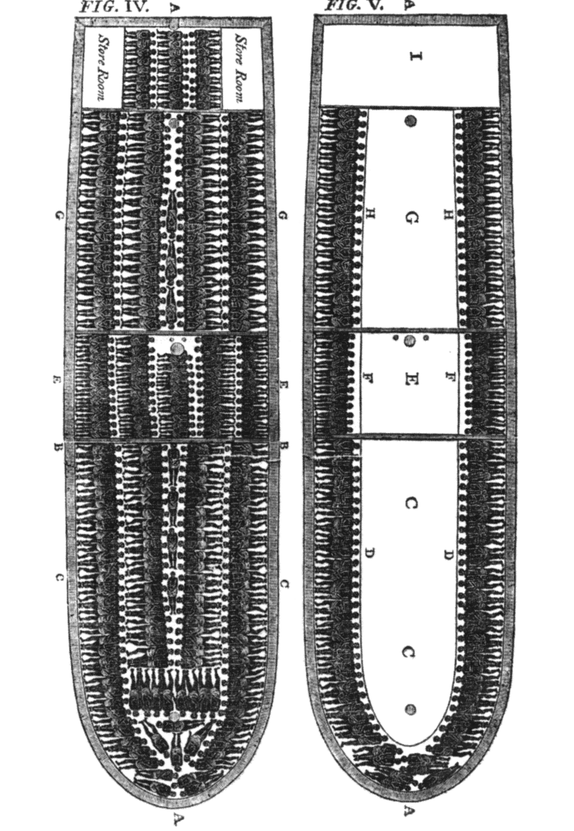
Corporate monopolies were fully aware of this criminality. The Royal African Company, chartered in 1672 under King Charles II, protected its monopoly by promoting themselves to Parliament as the only entity disciplined enough to maintain legal order in a cutthroat industry. Even when the system admitted an African had been illegally kidnapped—such as noblemen Ayuba Suleiman Diallo in 1734 or Prince Abdul Rahman Ibrahima in 1828—the law refused to liberate them by judicial decree. Their freedom had to be purchased through private ransoms, as the European legal apparatus refused to set a precedent acknowledging the system’s foundational illegality. By forcing victims to buy back their freedom, chattel slavery Gangsters added extortion to kidnapping as their list of crimes grew exponentially. They did what big gangsters do and protected themselves from prosecution through politicians already in their pockets, and who were themselves, reaping profits from the world’s first transnational human trafficking syndicate.
Yet Africans continued to fight everywhere in high and low places. In the 18th century enslaved Africans who managed to arrive on English soil cleverly exposed this criminal conspiracy by weaponizing domestic English common law against colonial slave codes. Their legal resistance culminated in the landmark 1772 Somerset Case, where Chief Justice Lord Mansfield conceded that chattel slavery was too odious to be supported by English common law, decreeing that once an African set foot in England, the law could no longer enforce bondage.
When the physical war against chattel slavery reached its bloody peak with the Haitian Revolution, Europe finally conceded the illegal system was untenable, prompting them to construct a strategy to cash out in a big way before losing control entirely. Britain abolished the slave trade in 1807 but upheld slavery until the Slavery Abolition Act of 1833. Instead of offering restitution, the British government paid a massive £20 million financial compensation package to slaveowners for their “lost property”—a debt so heavy, British taxpayers only finished paying it off in 2015. To extract further uncompensated labor, the British state instituted a deceptive “apprenticeship” system (1834–1838). Similarly, France in 1825 weaponized its military might to impose a staggering 150 million franc indemnity on Haiti, forcing the world’s first free Black republic to pay its former masters for the “loss” of human property.
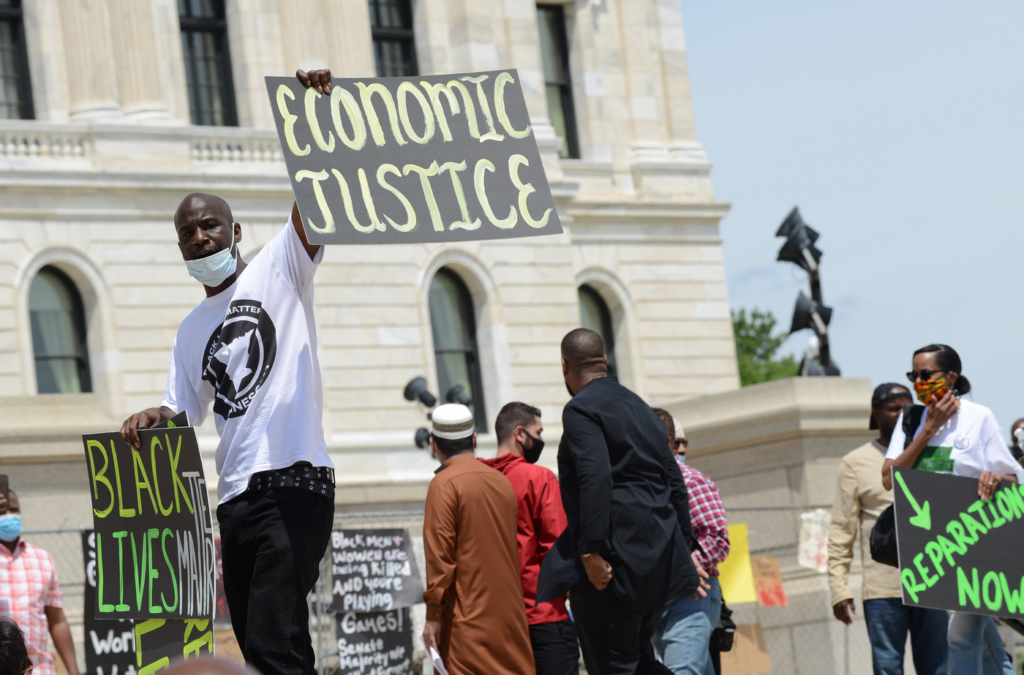
Ultimately, chattel slavery was a lawless, state-sanctioned enterprise built on broken treaties, human smuggling, and institutional fraud—operating as history’s first industrialized, corporate-state transnational racket. Engineered legal loopholes, forced apprenticeships, and extortionist indemnities are the damning evidence of a criminal conspiracy involving European monarchies, states, and corporations. By examining this past, the modern movement for reparatory justice perceptively shifts ground from a plea for charity to a demand for the settlement of a historical and legal default—unmasking centuries of transnational organized crime that must finally be brought to book.
Golding is President UNIA Jamaica