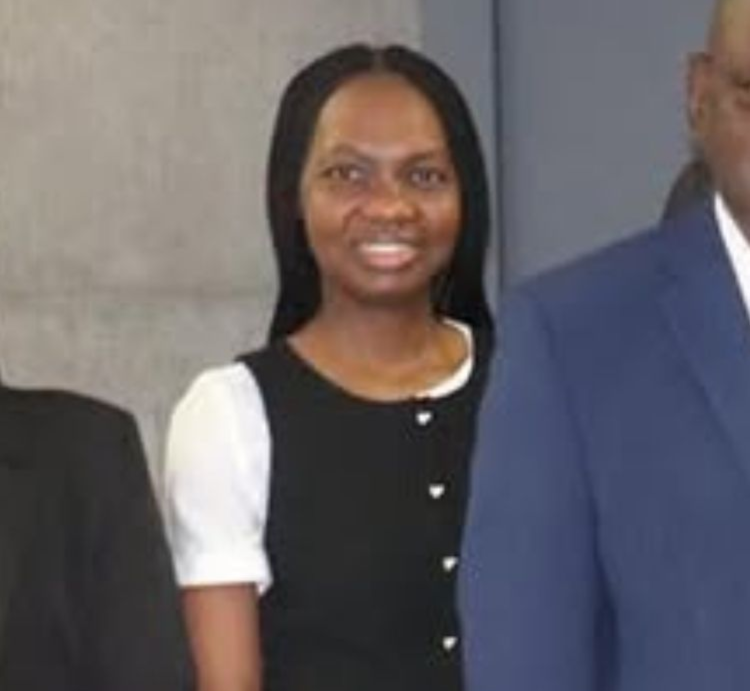
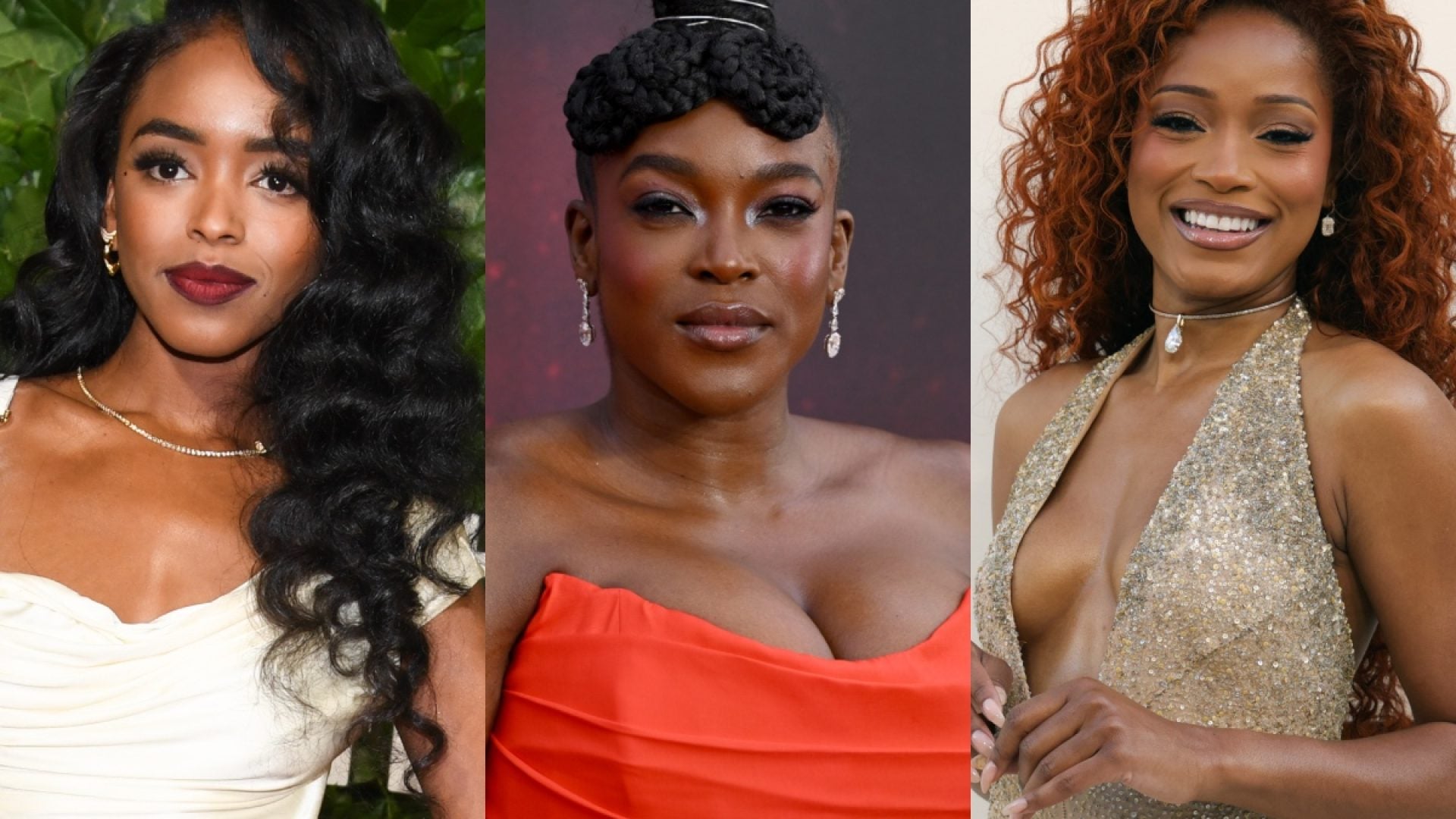
Danielle Udogaranya Founder Of EBONIX Talks ‘Black Lines Of Code’
Danielle is a creative technologist and cultural innovator whose work sits at the intersection of gaming, digital art, and Black representation. As the founder of EBONIX, her practice is rooted in reimagining how Blackness is authored, coded, and experienced within virtual worlds. Black Lines of Code, a groundbreaking mixed-media exhibition marking a decade of redefining […]
 Black News

Danielle is a creative technologist and cultural innovator whose work sits at the intersection of gaming, digital art, and Black representation.
As the founder of EBONIX, her practice is rooted in reimagining how Blackness is authored, coded, and experienced within virtual worlds.
Black Lines of Code, a groundbreaking mixed-media exhibition marking a decade of redefining representation in digital culture, Danielle brings together global artists and technologists to challenge algorithmic bias and expand the visual language of gaming. Blending immersive installations, playable experiences, and community-led storytelling, his work centres self-representation and cultural agency in spaces where Black voices have long been marginalised.
Danielle speaks about the idea behind Black Lines of Code, the evolution of EBONIX, and what it means to not only build space for Black voices but also Black women within the gaming world and the digital future.
Please introduce yourself …
My name is Danielle Udogaranya, Founder of EBONIX. I am a Libra Sun, Scorpio Moon and Virgo Rising and one of South London’s Finest Creative Tech Innovators!
Describe your life in one word or a sentence …
iCONIQUE
Why are we here?
Essentially, we’re here to put an end to the “Killmonger Loc Manifesto” that games and virtual experiences adopted to “fix” diversity once they moved beyond only offering an afro or TWA as options for creating avatars of ourselves.
Tell us what ‘Black Lines of Code’ is about in your own words …
Black Lines of Code is setting the standard for how Blackness is perceived, consumed and celebrated in virtual worlds and spaces. It explores how Black people show up in digital worlds, and who gets to decide what that looks like. Us. It looks at the avatars we create, the characters we play, the tools we’re given and the ones we have to build ourselves.
At its heart, the exhibition asks a simple question that reaches far beyond gaming: what happens to identity when it’s coded, limited, or overlooked? Through art, games, and interactive experiences, it celebrates Black creativity while also challenging the systems that have historically erased or flattened it in virtual spaces.
You’ve described Black Lines of Code as a mixed-media experience that blurs art, technology, and identity. What makes this more than just an exhibition?
This isn’t a space where you stand back and observe. It’s a space where you participate, reflect, and sometimes feel uncomfortable. Visitors aren’t just looking at work on walls. They’re playing games, scanning AR layers, listening to stories, and seeing themselves mirrored back through digital bodies and worlds.
It functions as a living archive, a playground, and a conversation starter all at once. The exhibition is designed to move, change, and respond, just like culture does.
You started making Afrocentric content for Sims 4 ten years ago. How did your journey from creating custom Black hairstyles and features in TheSims grow into Black Lines of Code?
My journey started with frustration and curiosity. I wanted my Sims to look like me and the people around me, and they didn’t. So I taught myself how to make Black hairstyles, features, and cultural details that were missing.
Over time, that personal need turned into a global conversation. People were downloading my work, sharing stories, and saying, “I finally feel seen.” Black Lines of Code grew out of that moment. It’s the long view of that journey, from one creator filling a gap to a wider movement questioning why those gaps existed in the first place.
Black Lines of Code brings together collaborators from The Sims, Ubisoft and the British Council. How do these collaborations help move Black presence forward in the gaming and tech world?
These collaborations show what’s possible when institutions choose to listen, support, and share power rather than just observe from the sidelines. EA represents where many of us began, Ubisoft reflects the future-facing conversations around industry change, and the British Council helps push this work across borders.
Together, they help shift Black creativity from the margins into the centre, not as a trend, but as essential cultural labour that shapes how digital worlds are built.
How did you choose the artists, technologists, and creators featured in Black Lines of Code, why these artists and creators, and what does each add to the story of Black presence in digital spaces?
Each contributor was chosen because they’re doing something intentional with technology and identity. Some are world-builders, some focus on digital bodies, others on tools and systems. What connects them is a refusal to accept default settings.
Collectively, their work shows that Black digital presence is not one thing. It’s global, layered, playful, political, and deeply personal. Together, they tell a fuller story than any single voice could.
You’ve been a leading voice at SXSW, Afrotech, BAFTA and beyond. How has speaking to global audiences influenced your understanding of where representation in gaming stands today?
Speaking globally has made one thing very clear: the problems are shared, even if the contexts differ. Whether I’m speaking to developers, artists, or students, the same gaps keep coming up. Representation is still too often treated as an add-on rather than a foundation.
At the same time, there’s a growing hunger for change, especially from younger creatives. Those conversations reinforced the need for spaces like Black Lines of Code that don’t just talk about the issues, but show alternatives in action.
From your early work on the Sims x Dark & Lovely’s Play In Color to building EBONIX, what have you learned about collaboration, and why are these projects important for Black representation in gaming and digital spaces?
I’ve learned that meaningful collaboration requires trust, accountability, and time. The most impactful projects are the ones where Black creators aren’t brought in at the end, but involved from the beginning.
Play In Color worked because it honoured cultural knowledge and creative autonomy. EBONIX exists to keep pushing for that standard. These projects matter because they change who gets to shape the future of games, not just who appears on screen.
Being named an HSBC Top 25 Black Entrepreneur to Watch in 2024 is a huge achievement. How does it feel to receive this recognition for your work in redefining Black representation in gaming and digital spaces?
It feels affirming, especially in an industry where this kind of work is often undervalued or misunderstood. It’s recognition not just of me, but of the years of labour behind building representation-focused tools, communities, and ideas.
At the same time, it’s fuel. It reinforces the responsibility to keep going, to keep opening doors, and to make sure the next generation has more support than I did starting out.
Black Lines of Code is described as both a love letter and a provocation. What conversations do you hope the exhibition sparks, inside the gaming industry and beyond it?
I hope it opens up honest conversations about who digital worlds are designed around, and who keeps having to bend themselves to fit inside them. I want people working in the industry to look closely at how decisions get made, from education to pipelines to hiring.
I want players and audiences to feel the weight and the joy of seeing themselves reflected with care and complexity. Beyond gaming, I hope it nudges people to think about how technology holds our memories, shapes our identities, and quietly influences how we understand our place in the world. This work is meant to push thinking forward, not sit politely on the wall.
GETTING TO KNOW …
If not this, then what? A Vet or Zoologist, I love animals
What’s made you sad, mad, & glad this week? Mad – The cold; Sad – The cold; Glad – The exhibition launching!
What are you watching? Currently I’m actually enjoying people watching whilst sitting at the front desk of the exhibition
What are you reading? Glitch Feminism, by Legacy Russell
The last play you saw? INALA
The last live music event? Don Toliver – 2025 Psycho Tour @ The O2
What’s currently on your playlist? Ray BLK – Patience (there’s hidden lore here that will probably activate memories from players who downloaded my content years ago)
What’s next? First a nap, then we take over the world (virtual and physical)
Where can we find you? (IG/TikTok – Ebonixsims // X/YT/Twitch – Ebonix //LinkedIn – Danielle Udogaranya)
Where can we watch you at work? Until the 20th December, at Copeland Gallery. Otherwise, catch me online redefining representation pixel by pixel!