In photos: Black Texas life since emancipation
Kinship & Community — A new photobook and exhibition showcases the rich culture, history and community of African American folks in the Lone Star State, whose existence in the region predates colonial Britain.
 Black News
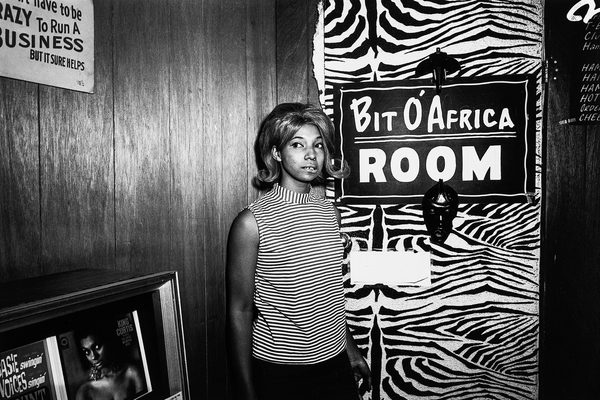
Kinship & Community — A new photobook and exhibition showcases the rich culture, history and community of African American folks in the Lone Star State, whose existence in the region predates colonial Britain.
On June 19, 1865 – some months after the Confederacy surrendered in ignominious defeat – Black folks in Texas were liberated from the bondage of chattel slavery. A year later, the first celebration of Jubilee Day (later Juneteenth) was held, the annual event to help people register to vote. During the first flush of Reconstruction, Black communities built Freedmen’s towns, forming the heart and soul of newly emerging cities like Houston with its fabled Third and Fourth Wards.
By the 1870s, photography had democratised the portrait, wresting the power of representation from the powerbrokers and restoring it to the people themselves. Inexpensive image making techniques, such as tintypes and crayon portraits, became popular among Black folks on both sides of the camera. But it wasn’t until 1995, when writer and filmmaker Alan Govenar and artist Kaleta Doolin teamed up to create the Texas African American Photography Archive (TAAP) that this history could be told in full. Home to 60,000 images made between the 1850s and the 1970s in a broad array of formats, TAAP has become one of the foremost repositories of work by Black photographers in the world.
With the new exhibition and book, Kinship & Community: Selections from the Texas African American Photography Archive (Aperture/Documentary Arts), co-curators Nicole R. Fleetwood and Brian Wallis craft a panoramic landscape of everyday life as seen from the inside looking out. Featuring work by Earlie Hudnall Jr., Marion Butts, Elnora W. Frazier, Alonzo Jordan, and Benny A. Joseph, as well as a photographic essay by Rahim Fortune, and essay by Deborah Willis, Kinship & Community is a celebration of Black Texas in all its multi-splendored glory.
“Texans are very proud of their history, but I think the rest of the country, and maybe even the world, has reduced and misread the history of Black Texas,” says Fleetwood, who has her own personal ties to the state. Hailing from a small town in Ohio, she moved to Houston briefly when her mother remarried but was completely overwhelmed. “I left after a year,” she says. “I didn’t understand the landscape of Texas.”
But Fleetwood, who is now based in New York, has come full circle and has a place in Houston to which she regularly returns. She, like many of her generation, have embraced remigration, returning to the South and finding kinship and community among new arrivals from Nigeria and Black Americans who never left. Personal engagement is a hallmark of Fleetwood’s work, from her landmark 2020 exhibition and book, Marking Time: Art in the Age of Mass Incarceration, to her forthcoming memoir, Between the River and the Railroad Tracks.
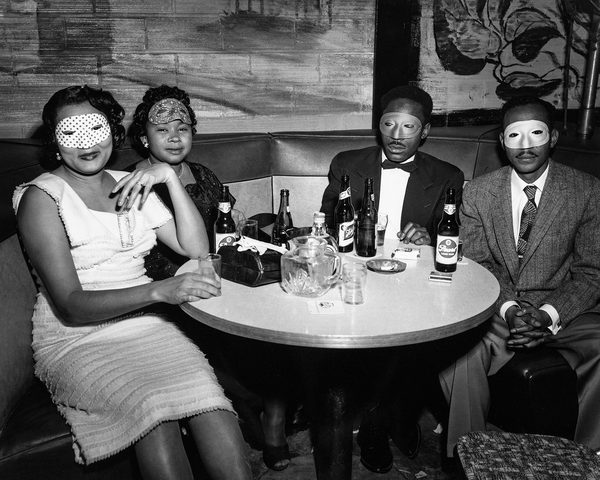
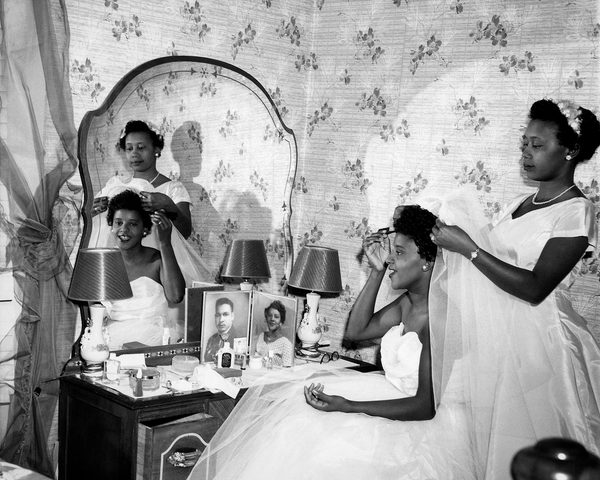
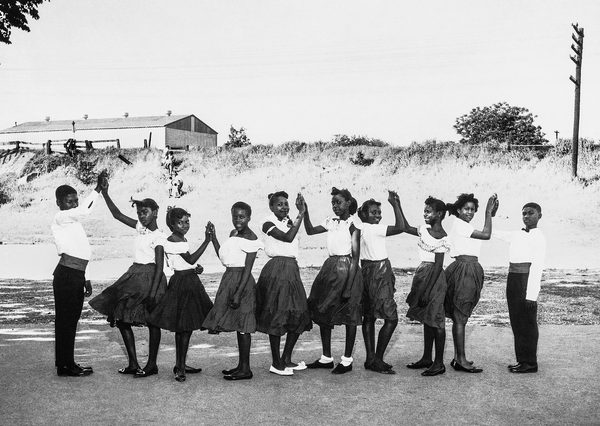
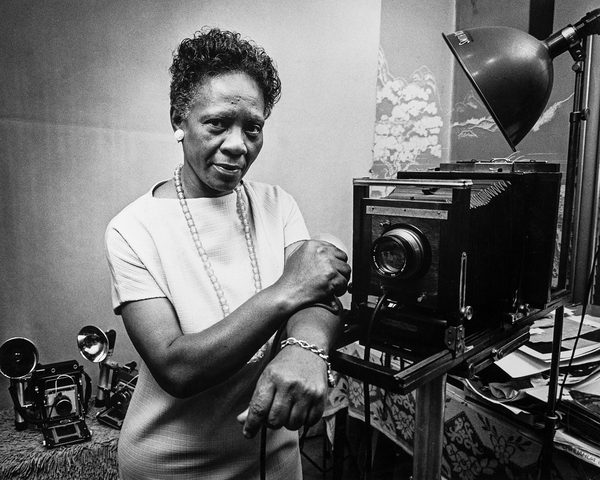
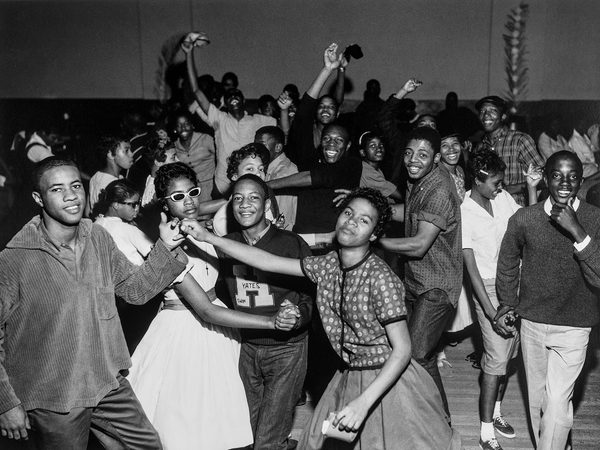
Seen through the lens of TAAP, the rich cultural histories of Black Texas form a majestic tapestry of everyday life. Fleetwood points to the cowboy, originally a radicalised term used to diminish the contributions of Black cowhands, as well as the presence of Black communities that predate Jamestown, the first British settlement on the continent. “The earliest African presence in Texas were people who [were brought by Spanish colonisers] before the formation of the US as a nation state, and many of them were early settlers in rural parts of Texas,” she says.
With roots that run deeper than the nation itself, Black Texas is the cornerstone of America. “The sense of pride in Texas is unlike any other state,” Fleetwood says. “One of my brothers was born there and he is so Texan. He lives in a community in Houston called Hiram Park, and it’s home to Black cowboys that Rahim Fortune has been documenting. If you’re hanging out in my brother’s yard, you’ll see five or 10 guys riding their horses and playing music. They’re somewhat country, somewhat hip hop, and it just blows my mind.’”
Kinship & Community: Selections from the Texas African American Photography Archive and Rahim Fortune - Between a Memory and Me: A Photographic Essay are on view through September 5, 2026, at Art + Practice in collaboration with the California African Art Museum in Los Angeles. Kinship & Community is published by Aperture/Documentary Arts.
Miss Rosen is a freelance arts and photography writer, follow her on X.
Buy your copy of Huck 83 here.
Enjoyed this article? Follow Huck on Instagram for more from the cutting edge of sport, music and counterculture.
Support stories like this by becoming a member of Club Huck.