The Broken Covenant of Labor: Reclaiming Human Dignity In An Age of Profit, Precarity and Global Inequality
By Atwemereireho Alex Photos: Wikimedia Commons Every 1st of May, the world ceremonially pauses to commemorate International Labor Day, a day born not out of political convenience or elite benevolence, but from blood, sacrifice, sweat, imprisonment, and the uncompromising courage of workers who dared to demand dignity in the face of industrial oppression. Yet beneath the celebratory speeches, carefully choreographed parades, and performative declarations by statesmen and corporations lies an uncomfortable and intellectually unavoidable truth: the global labor order remains structurally unjust, profoundly unequal, and dangerously exploitative. International Labor Day, therefore, must not merely be reduced to a symbolic annual ritual of praise for workers; it must instead serve as a moral indictment of governments, multinational corporations, international institutions, and economic systems that continue to commodify human labor while simultaneously preaching development, democracy, and social justice. The historical foundations of International Labor Day are deeply revolutionary. The commemoration traces its origins to the Haymarket Affair of 1886 in Chicago, where workers protesting for an eight-hour working day confronted violent state repression. Their demand was elementary yet transformative: that human beings were not machines designed for endless extraction of productivity. Nearly a century and a half later, the world possesses sophisticated constitutions, elaborate labor statutes, artificial intelligence, robotics, and unprecedented economic wealth; yet millions of workers across the globe remain trapped in cycles of poverty wages, unsafe working conditions, informal employment, discrimination, forced labor, and modern economic servitude. According to the International Labor Organization (ILO), over 2 billion people globally operate within the informal economy, representing nearly 60% of the world’s employed population. Even more alarming, approximately 27.6 million people are victims of forced labor globally, generating illicit profits exceeding 236 billion US dollars annually. These statistics are not merely economic figures; they are moral evidence of a civilization struggling to reconcile capital accumulation with human dignity. The irony of contemporary capitalism is intellectually disturbing. The global economy has expanded phenomenally, with world GDP surpassing 105 trillion US dollars in recent years, yet income inequality continues to widen at an unprecedented rate. The richest 1% own nearly half of the world’s wealth, while the workers who sustain industries, construct infrastructure, harvest food, teach children, transport goods, nurse the sick, and power national economies increasingly face economic insecurity and social vulnerability. The COVID-19 pandemic brutally exposed this contradiction. During the pandemic, so-called “essential workers” were celebrated rhetorically as heroes, yet many of them remained underpaid, uninsured, overworked, and economically disposable. This paradox revealed an uncomfortable truth about the architecture of global labor relations: society praises labor symbolically while undervaluing it materially. International labor rights are not charitable favors from governments; they are legally recognized human rights entrenched in binding international instruments and constitutional frameworks. The Universal Declaration of Human Rights of 1948, particularly Article 23, recognizes the right to work, to free choice of employment, to just and favorable conditions of work, equal pay for equal work, and the right to form and join trade unions. The International Covenant on Economic, Social and Cultural Rights under Articles 6, 7, and 8 further guarantees fair wages, safe working conditions, reasonable limitations of working hours, rest, leisure, and trade union freedoms. Equally significant are the eight fundamental conventions of the International Labor Organization, including Convention No. 87 on Freedom of Association and Protection of the Right to Organize, Convention No. 98 on the Right to Organize and Collective Bargaining, Convention No. 100 on Equal Remuneration, Convention No. 111 on Discrimination in Employment and Occupation, Convention No. 138 on Minimum Age, and Convention No. 182 on the Worst Forms of Child Labor. Within the African context, labor rights are further reinforced under Article 15 of the African Charter on Human and Peoples’ Rights, which guarantees every individual the right to work under equitable and satisfactory conditions and to receive equal pay for equal work. The East African Community Treaty similarly obliges partner states under Articles 5 and 104 to promote social justice, improve working conditions, and harmonize labor policies. In Uganda, the Constitution of the Republic of Uganda, 1995, particularly under Objective XIV of the National Objectives and Directive Principles of State Policy and Articles 40 and 50,
 Black News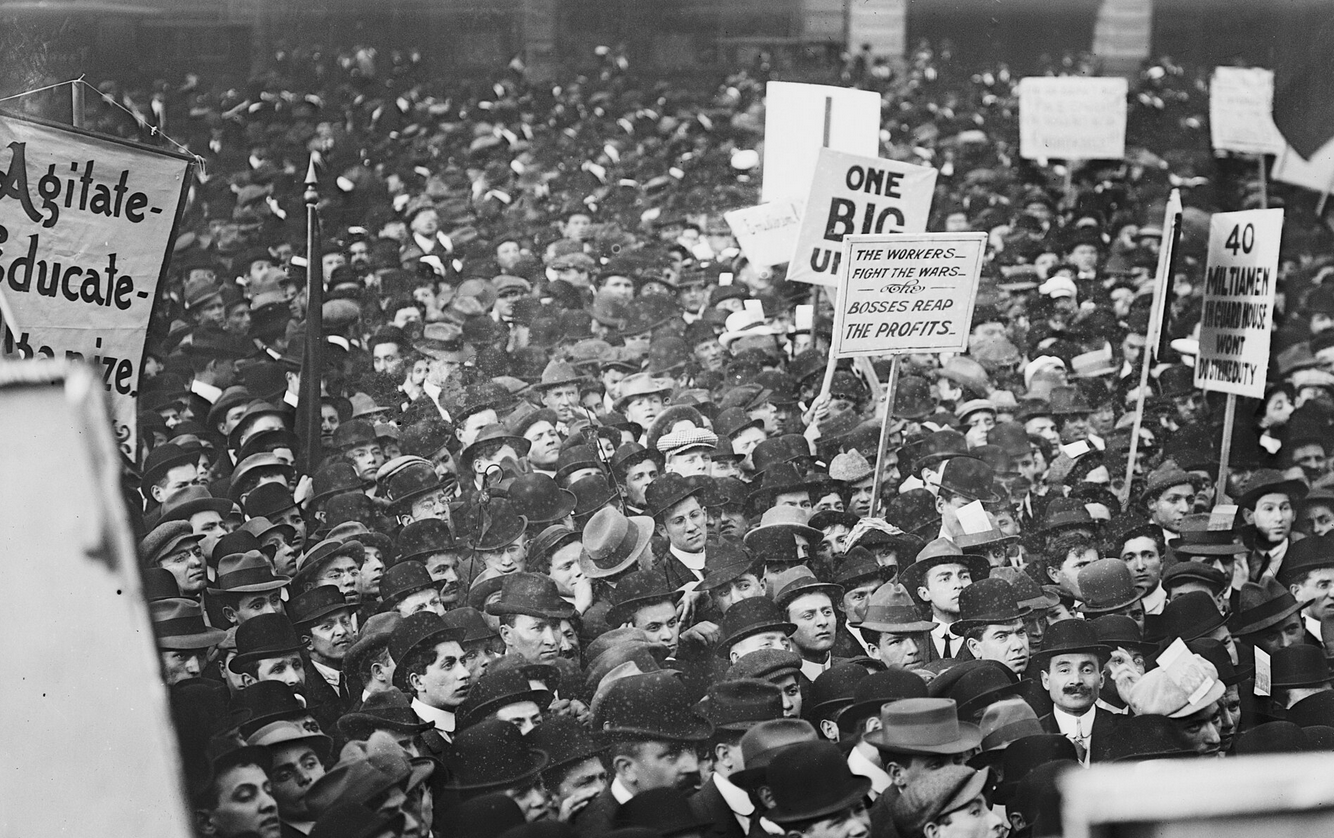
By Atwemereireho Alex
Photos: Wikimedia Commons
Every 1st of May, the world ceremonially pauses to commemorate International Labor Day, a day born not out of political convenience or elite benevolence, but from blood, sacrifice, sweat, imprisonment, and the uncompromising courage of workers who dared to demand dignity in the face of industrial oppression. Yet beneath the celebratory speeches, carefully choreographed parades, and performative declarations by statesmen and corporations lies an uncomfortable and intellectually unavoidable truth: the global labor order remains structurally unjust, profoundly unequal, and dangerously exploitative. International Labor Day, therefore, must not merely be reduced to a symbolic annual ritual of praise for workers; it must instead serve as a moral indictment of governments, multinational corporations, international institutions, and economic systems that continue to commodify human labor while simultaneously preaching development, democracy, and social justice.
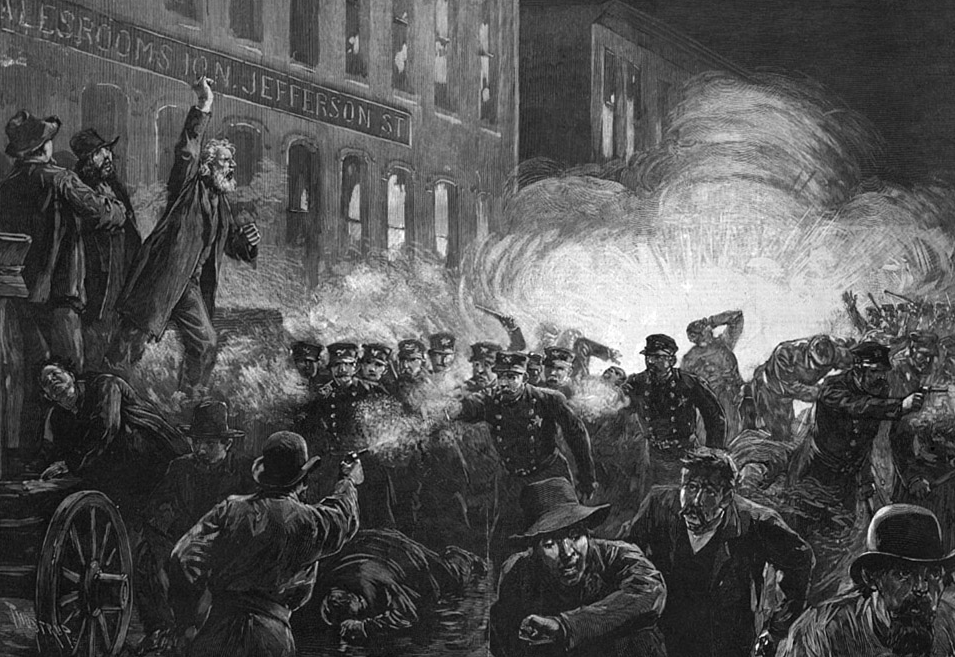
The historical foundations of International Labor Day are deeply revolutionary. The commemoration traces its origins to the Haymarket Affair of 1886 in Chicago, where workers protesting for an eight-hour working day confronted violent state repression. Their demand was elementary yet transformative: that human beings were not machines designed for endless extraction of productivity. Nearly a century and a half later, the world possesses sophisticated constitutions, elaborate labor statutes, artificial intelligence, robotics, and unprecedented economic wealth; yet millions of workers across the globe remain trapped in cycles of poverty wages, unsafe working conditions, informal employment, discrimination, forced labor, and modern economic servitude. According to the International Labor Organization (ILO), over 2 billion people globally operate within the informal economy, representing nearly 60% of the world’s employed population. Even more alarming, approximately 27.6 million people are victims of forced labor globally, generating illicit profits exceeding 236 billion US dollars annually. These statistics are not merely economic figures; they are moral evidence of a civilization struggling to reconcile capital accumulation with human dignity.
The irony of contemporary capitalism is intellectually disturbing. The global economy has expanded phenomenally, with world GDP surpassing 105 trillion US dollars in recent years, yet income inequality continues to widen at an unprecedented rate. The richest 1% own nearly half of the world’s wealth, while the workers who sustain industries, construct infrastructure, harvest food, teach children, transport goods, nurse the sick, and power national economies increasingly face economic insecurity and social vulnerability. The COVID-19 pandemic brutally exposed this contradiction. During the pandemic, so-called “essential workers” were celebrated rhetorically as heroes, yet many of them remained underpaid, uninsured, overworked, and economically disposable. This paradox revealed an uncomfortable truth about the architecture of global labor relations: society praises labor symbolically while undervaluing it materially.
International labor rights are not charitable favors from governments; they are legally recognized human rights entrenched in binding international instruments and constitutional frameworks. The Universal Declaration of Human Rights of 1948, particularly Article 23, recognizes the right to work, to free choice of employment, to just and favorable conditions of work, equal pay for equal work, and the right to form and join trade unions. The International Covenant on Economic, Social and Cultural Rights under Articles 6, 7, and 8 further guarantees fair wages, safe working conditions, reasonable limitations of working hours, rest, leisure, and trade union freedoms. Equally significant are the eight fundamental conventions of the International Labor Organization, including Convention No. 87 on Freedom of Association and Protection of the Right to Organize, Convention No. 98 on the Right to Organize and Collective Bargaining, Convention No. 100 on Equal Remuneration, Convention No. 111 on Discrimination in Employment and Occupation, Convention No. 138 on Minimum Age, and Convention No. 182 on the Worst Forms of Child Labor.
Within the African context, labor rights are further reinforced under Article 15 of the African Charter on Human and Peoples’ Rights, which guarantees every individual the right to work under equitable and satisfactory conditions and to receive equal pay for equal work. The East African Community Treaty similarly obliges partner states under Articles 5 and 104 to promote social justice, improve working conditions, and harmonize labor policies. In Uganda, the Constitution of the Republic of Uganda, 1995, particularly under Objective XIV of the National Objectives and Directive Principles of State Policy and Articles 40 and 50, guarantees economic rights, fair remuneration, safe and healthy working conditions, and access to legal redress for violations of fundamental rights. The Employment Act, 2006, the Occupational Safety and Health Act, 2006, the Labor Unions Act, 2006, and the Workers Compensation Act collectively establish a domestic legal framework intended to protect workers from exploitation and abuse.
However, the disturbing reality is that the existence of laws does not automatically translate into justice. Across many developing countries, labor laws remain eloquent on paper but fragile in implementation. Weak labor inspection systems, corruption, political patronage, unemployment pressures, and institutional inefficiencies have rendered many workers vulnerable to unchecked exploitation. In Uganda and across much of Africa, countless workers continue to operate without written contracts, social protection, pension security, health insurance, or meaningful legal remedies. Informal workers, domestic workers, boda-boda riders, market vendors, and casual laborers constitute the invisible backbone of national economies, yet they remain largely excluded from labor protection frameworks.

Equally concerning is the rise of what scholars increasingly describe as “digital capitalism” or the “gig economy.” Technology companies have transformed labor markets through platforms offering ride-hailing, food delivery, online freelancing, and algorithmically managed work. While these innovations present opportunities for flexibility and entrepreneurship, they have simultaneously weakened traditional labor protections by redefining workers as “independent contractors” rather than employees. Consequently, millions of gig workers globally operate without minimum wage guarantees, collective bargaining rights, paid leave, or social security protections. The law is now racing against technological evolution, and unless governments urgently modernize labor regulation, the future of work risks becoming a future of legalized precarity.
Furthermore, the global labor conversation cannot honestly ignore the enduring injustice of gender inequality within workplaces. Despite decades of advocacy, women globally continue to earn significantly less than men for substantially similar work. The World Economic Forum estimates that at the current pace, achieving global gender parity may take more than a century. Women disproportionately occupy vulnerable employment sectors, perform unpaid care work, and face systemic discrimination, sexual harassment, and limited leadership opportunities. Equally troubling is youth unemployment, particularly in Africa, where millions of educated young people remain economically marginalized despite possessing academic qualifications and technical competence. A society that educates its youth without creating dignified employment opportunities inevitably manufactures frustration, instability, dependency, and social unrest.
Perhaps the greatest intellectual tragedy of modern labor systems is the normalization of human exhaustion as a measure of productivity. Across many societies, overworking has been glamorized as ambition, while rest, leisure, and mental well-being are treated as weaknesses. Yet labor rights are fundamentally about preserving human dignity, not merely maximizing economic output. Aristotle warned centuries ago that the purpose of wealth is not endless accumulation but the attainment of a flourishing human life. Similarly, Pope Leo XIII in the landmark encyclical Rerum Novarum emphasized the moral necessity of protecting workers from the tyranny of unchecked capitalism. Today, these philosophical insights remain remarkably relevant.
International Labor Day must therefore provoke difficult but necessary questions. What is the moral legitimacy of an economic system where executives earn in hours what ordinary workers earn in years? What does development truly mean when economic growth coexists with rising inequality, unemployment, and worker exploitation? Can globalization genuinely be celebrated while supply chains in parts of Asia, Africa, and Latin America continue to depend on child labor, unsafe factories, and starvation wages? These are not rhetorical questions for ideological entertainment; they are urgent ethical and legal inquiries central to the future of humanity.
Governments must move beyond ceremonial commitments and undertake substantive reforms. Labor inspectorates must be strengthened and insulated from corruption. Minimum wage frameworks must reflect realistic living costs rather than political expediency. Trade unions must be protected from intimidation and political manipulation. Social protection systems, including pensions, unemployment insurance, and healthcare coverage, must be expanded to include informal and gig economy workers. Educational institutions must align curricula with labor market realities to address the growing mismatch between education and employment. Multinational corporations must equally be held accountable for labor abuses throughout their global supply chains. Profitability cannot morally justify exploitation.
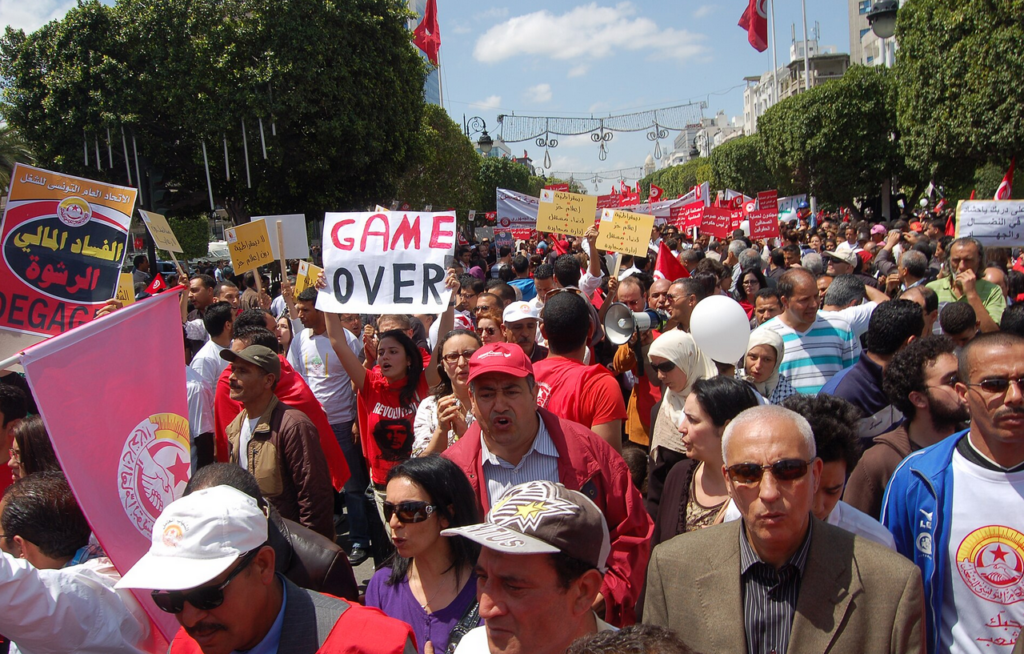
At the international level, institutions such as the United Nations, the African Union, the International Labor Organization, and regional economic blocs must intensify enforcement mechanisms against labor rights violations. Global trade agreements should no longer prioritize corporate profits while treating labor standards as secondary concerns. The future of sustainable development fundamentally depends on decent work. Indeed, Sustainable Development Goal 8 explicitly calls for inclusive economic growth, productive employment, and decent work for all. Without labor justice, sustainable development remains a hollow diplomatic slogan.
As the world commemorates International Labor Day, humanity must resist the dangerous temptation of reducing workers to economic statistics, production units, or disposable instruments of capital. Labor is not merely an economic variable; it is an expression of human existence, creativity, sacrifice, and survival. Every road constructed, every hospital built, every legal system maintained, every classroom managed, every harvest secured, and every nation developed rests upon the invisible shoulders of workers.
Ultimately, the true significance of International Labor Day lies not in speeches, banners, or political rhetoric, but in whether societies possess the moral courage to confront exploitation honestly and restructure labor systems around justice, equity, dignity, and humanity. A civilized world cannot continue celebrating workers symbolically while abandoning them economically. History has repeatedly demonstrated that societies which neglect labor justice eventually harvest instability, resentment, inequality, and social fragmentation. The future of global peace, democracy, and prosperity will therefore not be determined merely by technological advancement or economic growth, but by whether humanity finally learns to place the dignity of labor above the greed of unchecked power and profit.
Atwemereireho Alex is a lawyer, researcher, governance analyst and LLM Student in Natural Resources Law at Kampala International University.