After U.S. military captures Venezuela’s president, Trump now controls its 65B-barrel oil reserves but still buys nearly $8B in oil from 2 African nations
Nearly eight months after the U.S. military captured the Venezuelan president, Nicolás Maduro Moros, recent reports reveal that the U.S. has now secured majority control over Venezuela's massive oil reserves.
 Black News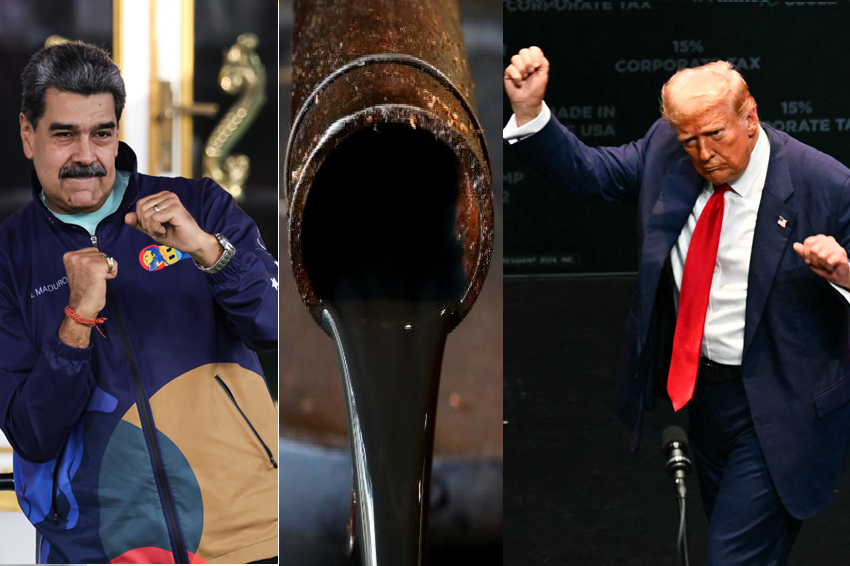

![After U.S. captures president, Trump lands ‘world’s biggest oil deal’ with 65B barrels in Venezuela but still buys $8B in oil from 2 African nations [ Image: Jesus Vargas/Getty Images; Chandan Khanna/AFP/Getty Images, purepathtech ]](https://ocdn.eu/pulscms/MDA_/7b6a40e7ab2dde2773667d929d9a1e79.png)
Nearly eight months after the U.S. military captured the Venezuelan president, Nicolás Maduro Moros, recent reports reveal that the U.S. has now secured majority control over Venezuela's massive oil reserves.
- The U.S. has gained majority control over Venezuela's 65 billion barrels of proven oil reserves.
- President Trump announced the petroleum deal as the largest in world history.
- After Maduro's removal, Vice President Delcy Rodriguez became interim leader and announced the partnership.
- Despite greater access to Venezuelan oil, the U.S. continues to import substantial amounts of oil from Egypt and Nigeria.
However, even with this historic deal, the U.S. continues to buy massive amounts of oil from two African nations, Egypt and Nigeria, both of which remain firmly in its top ten oil import partners.
Trump announces historic U.S. deal for majority control of Venezuela oil reserves
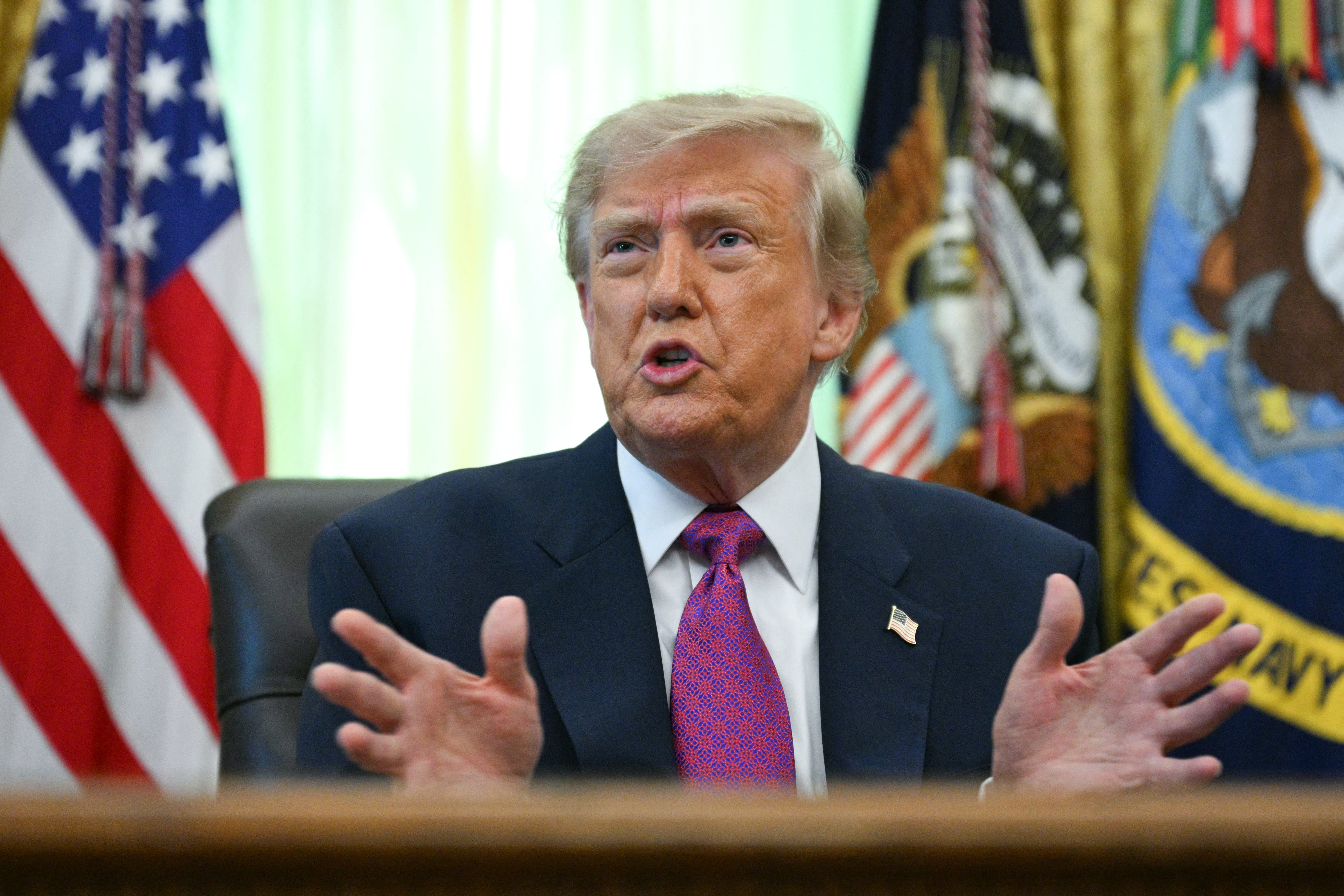
On Friday, August 28, 2026, President Donald Trump announced that his administration had finalized a massive petroleum agreement giving the U.S. majority control of 65 billion barrels of proven reserves.
DON'T MISS THIS: U.S. deepens ties with one of Africa’s largest economies across major sectors as trade nears $15 billion
Trump celebrated the transaction on his Truth Social platform, proclaiming it "the biggest oil deal in world history" and noting that it would more than double U.S. oil reserves.
The deal was struck after months of intense pressure following the January 3, 2026, military operation in Caracas where Maduro was arrested and placed in U.S. custody.
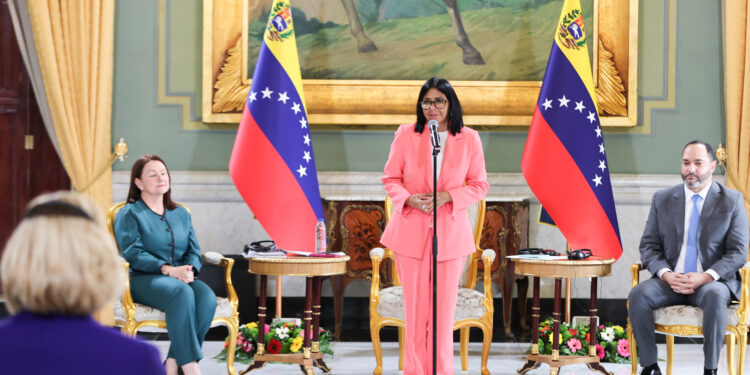
Following his removal as president, Washington permitted Vice President Delcy Rodriguez to serve as the nation's interim leader.
Confirming the historic agreement on social media, Rodriguez posted that the partnership would "have a significant impact on the rebirth of our nation" by drawing nearly $100 billion in private investment and generating over $209 billion in tax revenue.
DON'T MISS THIS: Africa’s top oil producer targets $50 billion offshore comeback as it battles Namibia and Guyana for global energy investment
According to Punch, U.S. Secretary of State Marco Rubio praised the development, writing that ."President Trump’s bold foreign policy is driving America First wins: securing stable reserves and low-cost oil in our Hemisphere and lowering gas prices here at home."
U.S. refineries still import billions of dollars in oil from Egypt and Nigeria
Even as the U.S. celebrates its footprint in South America, official trade data from TradeInt for the first quarter of 2026 reveals that the U.S. remains heavily reliant on African energy partners.
Specifically, the U.S. spent $4.00 billion on oil imports from Egypt and $3.99 billion on oil imports from Nigeria, placing them ninth and tenth respectively among the top ten American oil import countries.
These imports continue because, despite being the world's largest producer with domestic production forecast at 13.5 million barrels per day in 2026, U.S. shale is primarily light.
DON'T MISS THIS: Africa’s largest refinery says petrol imports are taking 43% of Nigeria’s market, forcing its $20 billion refinery to export surplus fuel
Conversely, major U.S. Gulf Coast refineries are structurally configured to process heavy and medium crude grades.
To balance this mismatch, the U.S. imports heavier crude while continuing to purchase high-value African grades.
Nigeria remains incredibly important to American buyers because it delivers high-quality crude oil easily refined for economic use.
Meanwhile, Egypt acts as a vital partner as it controls strategic transit via the Suez Canal while supplying regional crude..