Another Mysterious Death Strikes a Nerve
Once again, a Black young person has been found hanged to death in a public space in the Deep South, the second time in less than a year. Once again, local authorities say it was suicide and warrants no further investigation. And, once again, some Black Americans aren’t buying it. Judging by reactions on social […] The post Another Mysterious Death Strikes a Nerve appeared first on Word In Black.
 Black News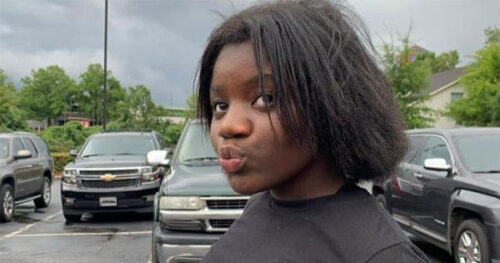

Once again, a Black young person has been found hanged to death in a public space in the Deep South, the second time in less than a year. Once again, local authorities say it was suicide and warrants no further investigation.
And, once again, some Black Americans aren’t buying it.
Judging by reactions on social media, the death of 16-year-old Juliana Nzita — found hanging from a tree on the grounds of a church near Charlotte, North Carolina — shouldn’t be a closed case. Indeed, Nzita’s death has ignited anger, spurred suspicion and triggered painful historical memories across social media and inside several Black communities.
Echoes of Painful History
Like the case of a 21-year-old college student whose body was discovered last September under similar circumstances in Mississippi, Nzita’s death raises the specter of an old and deeply American pattern. It echoes the terror lynchings of the Jim Crow South, an era in which Black families and civil rights advocates questioned official explanations surrounding mysterious hangings.
While police classified her death as a suicide, critics point to unanswered questions, limited public information, and echoes of crimes that have never gotten justice.
The teenager had been reported missing on April 28; a community member named Kenneth Tolbert made the discovery, told church officials, then dialed 911. Charlotte-Mecklenburg Police Department officers then found Nzita’s body on May 8, 2026, on property belonging to The United House of Prayer for All People.
Lingering Questions
Police classified the death as a suicide, and investigators also said Nzita’s family didn’t respond when initially contacted. But no formal statement about the case appears on the department’s website, and there’s no indication that police have reopened the investigation into Nzita’s initial disappearance or launched a homicide inquiry into her death.
Neither the United House of Prayer for All People nor any of its leadership has issued any public statement about Nzita’s death. The lack of information, as well as the police department’s conclusion that no foul play was involved, has provoked widespread suspicion about the case.
Videos expressing concern, distrust, and outrage have appeared on all social media platforms. And some of the social media posts show community members calling out church leaders by name for failing to comment.
Troubling Pattern
Commenters on local news websites have questioned the physical circumstances of the discovery. Some want to know why there’s no closed-circuit or security-camera footage of Nzita; others have questioned the evidence found at the scene, including whether Nzita could have used the blue chair seen in the footage to commit suicide.
A report the civil rights organization JULIAN, which publishes the Crimson Record, issued this year identified over 70 deaths classified as suicides despite questionable circumstances over the last 25 years. They have stretched across seven Deep South states, with Mississippi reporting 20 — the highest total.
A review of known cases of Black Americans found dead by hanging between 2024 and 2026 shows that approximately 10 of them gained significant attention from civil rights advocates, family members, and legal experts. Many have raised serious questions about inadequate or hasty investigations and official rulings of suicide despite families and advocates disputing those conclusions.
RELATED: Why Trey Reed’s Death Sparks Suspicions and Calls for Transparency
These cases include Demartravion “Trey” Reed whose body was found last September hanging from a tree near the pickleball courts on the Delta State University campus. He was pronounced dead at the scene and an autopsy by the Mississippi State Medical Examiner determined the death was a suicide.
Reed’s family vehemently disputed the ruling, insisting he had no history of depression, was excited about attending Delta State, and had shown no signs of suicidal ideation. The family sought an independent autopsy after receiving conflicting accounts and incomplete information about the circumstances of his death.
The post Another Mysterious Death Strikes a Nerve appeared first on Word In Black.