Backed by Abu Dhabi's ruling family, UAE's $406 billion banking giant targets South Africa after 10-year court battle
First Abu Dhabi Bank (FAB), the United Arab Emirates' largest lender with more than $400 billion in assets, has moved a step closer to entering South Africa after ending a decade-long trademark dispute that had stalled its expansion into Africa's biggest banking market.
 Black News


First Abu Dhabi Bank (FAB), the United Arab Emirates' largest lender with more than $400 billion in assets, has moved a step closer to entering South Africa after ending a decade-long trademark dispute that had stalled its expansion into Africa's biggest banking market.
- First Abu Dhabi Bank (FAB), the UAE's largest lender, is set to enter South Africa after resolving a decade-long trademark dispute.
- The legal battle with FirstRand over similar branding ended in FAB's favor, clearing a path for its banking license application in South Africa.
- FAB, majority owned by Abu Dhabi's sovereign fund, is one of the world's largest banks, operating across five continents.
- Entering South Africa gives FAB access to Africa's biggest banking market and supports its strategic ambitions to deepen ties between Africa and the Gulf.
First Abu Dhabi Bank (FAB), the United Arab Emirates' largest lender with approximately $406 billion (R6.6 trillion) in assets, is moving closer to establishing a presence in South Africa after ending a decade-long trademark dispute that had delayed its expansion into Africa's biggest banking market.
Headquartered in Abu Dhabi, FAB is one of the world's largest financial institutions. Formed through the 2017 merger of National Bank of Abu Dhabi and First Gulf Bank, the lender operates across five continents, offering services spanning corporate and investment banking, consumer finance, wealth management, Islamic banking, payments and real estate finance.
DON'T MISS THIS: Months after talks began, UAE oil giant ADNOC nears $1 billion takeover of Shell's South African business
The bank, which is majority owned by Abu Dhabi's sovereign wealth fund, Mubadala Investment, with a 37.9% stake, confirmed it intends to apply for a South African banking licence after the country's Supreme Court of Appeal ruled in its favor in a legal battle with FirstRand, bringing to an end a dispute that lasted nearly 10 years.
Members of Abu Dhabi's ruling family own a further 15.8% of the bank, while the remaining shares are publicly traded on the Abu Dhabi Securities Exchange.
The case centered on whether FAB's name was too similar to FirstRand's retail banking brand, FNB. The court's decision removes a major legal hurdle for the UAE banking giant as it seeks to establish a foothold in South Africa.
A strategic gateway into Africa
FAB's planned entry reflects growing interest from Gulf financial institutions in Africa, where trade, investment and infrastructure ties with the United Arab Emirates have expanded rapidly in recent years.
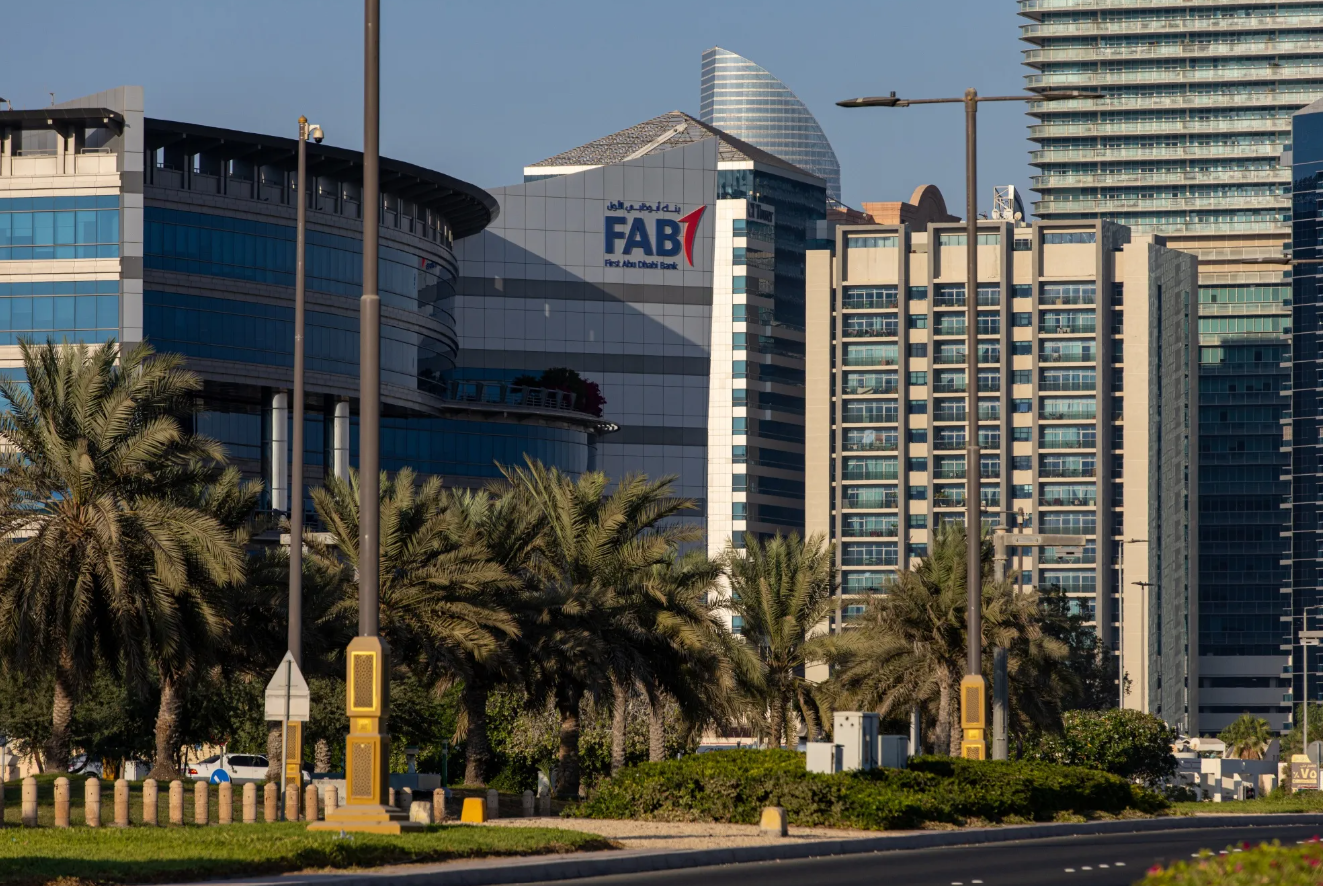
With total assets of more than $400 billion, FAB is the largest bank in the UAE and among the biggest lenders in the Middle East and North Africa. Entering South Africa would give the bank access to Africa's largest banking market by assets and one of the continent's most sophisticated financial systems.
South Africa is home to banking heavyweights including Standard Bank, FirstRand, Absa and Nedbank, whose operations span dozens of African countries.
The country's deep capital markets, established regulatory framework and position as a regional financial hub make it an attractive destination for international lenders looking to expand across the continent.
For FAB, securing a local banking licence would strengthen its ability to finance trade between Africa and the Gulf, serve multinational corporations and support cross-border investment as economic ties between the two regions continue to deepen.
DON'T MISS THIS: Abu Dhabi oil giant snaps up Shell’s South African business in $1billion Africa expansion
The UAE has become one of Africa's fastest-growing investment partners, with billions of dollars flowing into ports, logistics, renewable energy, mining, aviation and financial services. A South African banking presence would complement those investments by providing greater financial connectivity for businesses operating across both markets.
The court ruling concludes a legal challenge that had delayed FAB's ambitions for almost a decade. With that obstacle removed, the bank can now proceed with its licence application, marking a significant step toward becoming one of the largest Middle Eastern banks operating in South Africa.
If approved by regulators, FAB's entry would introduce another major international player into Africa's biggest banking market, reinforcing South Africa's status as the continent's preferred destination for global financial institutions despite ongoing economic headwinds.