Bringing Ballroom to Life: Audio Description for Blind and Partially Sighted People
When blind and partially sighted dancers competed in ballroom and Latin dance this year, inclusive dance company Step Change Studios realised that arranging audio description for blind audiences was not straightforward. They teamed up with VocalEyes to investigate how to turn ambition into reality. While many people are familiar with programmes such as Strictly Come ... Bringing Ballroom to Life: Audio Description for Blind and Partially Sighted People
 Black News
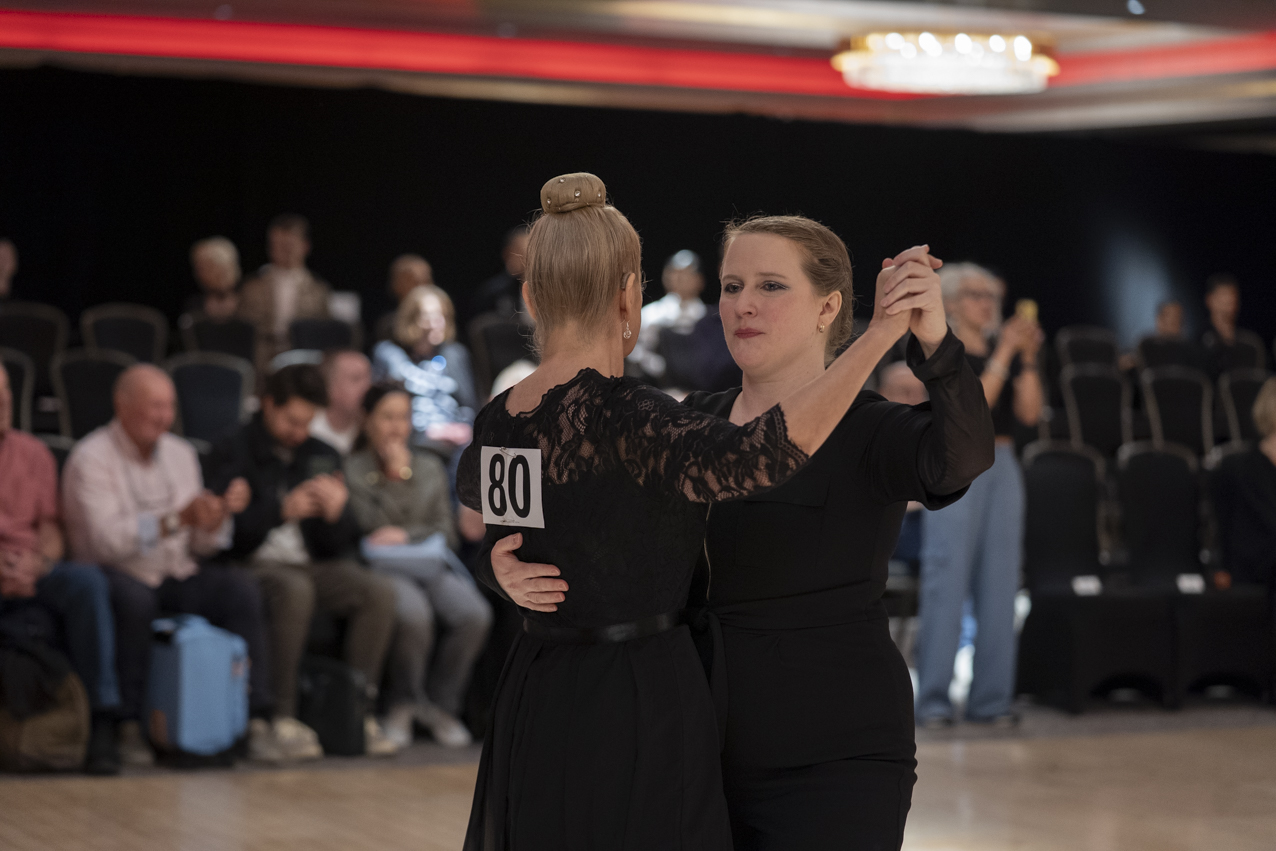
When blind and partially sighted dancers competed in ballroom and Latin dance this year, inclusive dance company Step Change Studios realised that arranging audio description for blind audiences was not straightforward. They teamed up with VocalEyes to investigate how to turn ambition into reality.
While many people are familiar with programmes such as Strictly Come Dancing, ballroom competitions can be a very different experience. Multiple couples dance at the same time, each round can last little more than a minute, and judges assess highly technical aspects of each performance.
Audio description has become more established in other formats such as dance theatre. This allowed for some insight on better practice while creating a specialist approach for competitive ballroom.
Dr Rashmi Becker MBE, founder of Step Change Studios, created the UK’s only dedicated blind ballroom programme. Over the years, participation has increased, and this year’s competition saw 30 national and international dancers take part.
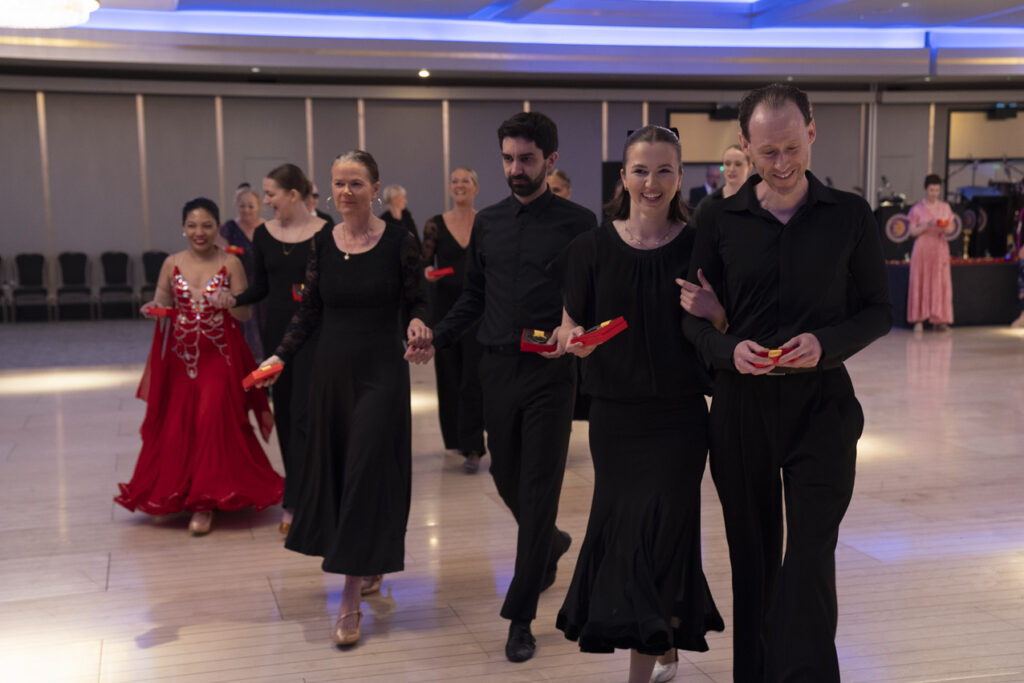
VocalEyes audio describer William Elliott, who supports Step Change Studios with audio description, was enlisted to research and report on how to provide audio description for competitive ballroom. He attended his first ever competition and interviewed blind participants, teachers, and a range of stakeholders to inform his work. He also conducted desk-research examining ballroom videos, and reviewing approaches to other dance forms.
This research culminated in a report published by VocalEyes in partnership with Step Change Studios called: Accessibility of Ballroom Dance Competitions for Blind and Visually Impaired Participants and Audiences. The research found that ballroom competitions present unique challenges for audio description, while also identifying several opportunities. These include:
- Creating preparatory and supplementary resources. For instance, short introductions to competition formats and terminology, and introductions to individual ballroom and Latin dance styles. This will reduce the need for extensive explanation during the live event, allowing audio describers to focus on what is happening on the dance floor.
- Creating opportunities for collaborative practice and specialist knowledge development. Audio describing ballroom dancing requires specialist knowledge and confidence with ballroom terminology, structures and movement styles. Therefore, ballroom specialists and audio describers should collaborate to present clear and accessible audio description that bring together specialist knowledge and a broader immersion in the cultural environment and atmosphere.
- Developing approaches in a live environment. It is important to test different approaches through ‘pilot activity’ during competitions. This will inform which elements listeners find most engaging and relevant, and allow further refinement of resources and live description.
The report makes clear that ‘accessibility’ can be experienced differently by individuals and that blind and partially sighted people may engage with ballroom competitions in a variety of ways, depending on prior experience of dance, familiarity with competition structures, and personal preferences around access provision.
The team at Step Change Studios is keen to translate the findings into practice. As Dr Becker says: ‘the findings identify practical actions to enable blind and partially sighted people to follow competitive ballroom. We are sharing the research findings with colleagues in the ballroom sector and want to develop and pilot resources and audio description. We hope this will lead to wider adoption by national bodies and organisations involved in competitive ballroom’.
Commenting on the research, VocalEyes CEO Claire Saddleton says: ‘We believe everyone should have the opportunity to experience arts, culture and heritage in all its forms. We’re excited by the possibilities the research has opened up and look forward to helping develop new resources and models of live description. We hope this project marks the first step towards making competitive ballroom dancing more accessible for blind and visually impaired participants and audiences alike.’
Read the full report on our website.
Step Change Studios is interested in hearing from the wider ballroom dance sector about collaborating on opportunities for pilot activity or other work taking place to make ballroom dance more accessible to blind and visually impaired people. Please contact: contact@stepchangestudios.com
For future updates on ballroom and Latin dance for blind and partially sighted people, follow Step Change Studios on Instagram