Guterres demands ‘dates and dollars’ for climate adaptation as COP31 ends without consensus
United Nations Secretary-General António Guterres has issued a stern ultimatum to developed nations, demanding concrete funding timelines and delivery schedules to safeguard vulnerable economies as the 31st United Nations Climate Change Conference (COP31) concluded without an overarching political agreement. The summit in Türkiye collapsed following prolonged negotiations that exposed deep divisions over climate finance and […]
 Black News
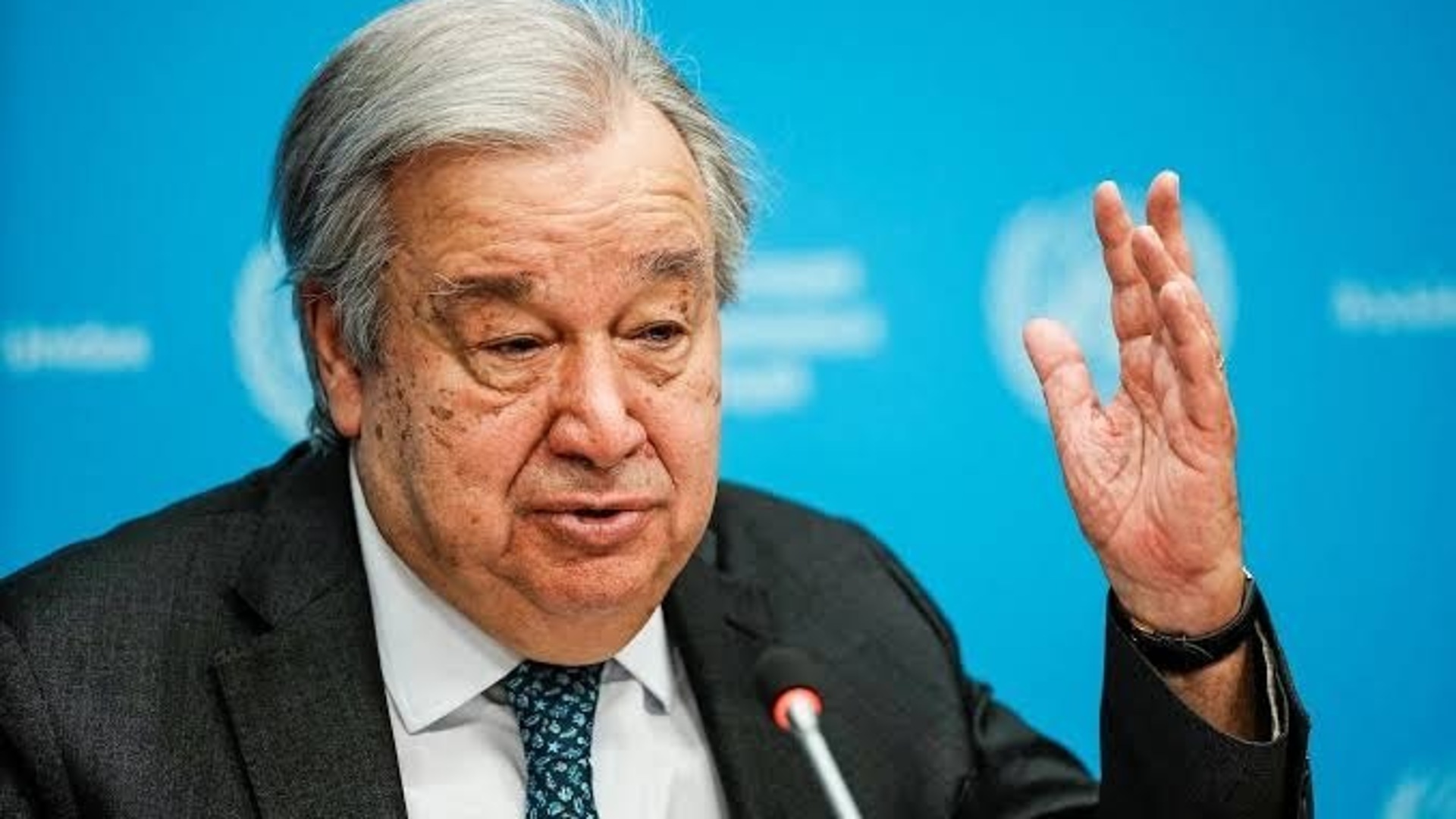
United Nations Secretary-General António Guterres has issued a stern ultimatum to developed nations, demanding concrete funding timelines and delivery schedules to safeguard vulnerable economies as the 31st United Nations Climate Change Conference (COP31) concluded without an overarching political agreement.
The summit in Türkiye collapsed following prolonged negotiations that exposed deep divisions over climate finance and fossil fuel phase-outs. Expressing profound disappointment, the UN chief stressed that diplomatic gridlock in the negotiating rooms cannot alter the physical reality of accelerating global warming.
“There may be no consensus in the negotiating room. There is no ambiguity in the science,” Guterres declared, warning that escalating temperatures and destructive extreme weather events threaten communities across the globe.
Guterres called on wealthy nations to honor and expand their adaptation finance pledges immediately.
“Put dates and dollars behind that pledge now. Lives depend on it.” — António Guterres, UN Secretary-General
The appeal underscores a widening chasm between the financial resources developing nations require and current international support. According to the United Nations Environment Programme’s 2026 Adaptation Gap Report, developing economies will need approximately $305 billion annually by 2035 to invest in climate-resilient agriculture, water management, flood protection, and early-warning systems.
These investments remain out of reach for many nations constrained by limited public revenues and heavy debt burdens. The crisis hits Africa hardest, where millions depend on volatile rain-fed agriculture while contributing minimally to historical global emissions.
During the COP31 Leaders’ Summit, Guterres pressed for at least $300 billion annually in climate finance by 2035, alongside clear plans to triple adaptation support as part of a broader $1.3 trillion climate finance goal.
Negotiators remained sharply divided over whether to explicitly reaffirm the historic COP28 commitment made in Dubai to transition away from coal, oil, and natural gas.
Subsequent revisions stripped out stronger language and removed a proposed adaptation target of $120 billion annually by 2035. The rollbacks drew sharp criticism from the European Union and climate-vulnerable states, while oil-producing nations resisted binding phase-out mandates.
Guterres didn’t mince words, comparing the delaying tactics of fossil fuel interests to the historical playbook of the tobacco industry.
“We can’t put out the fire while pouring fuel on it,” he said, urging an accelerated pivot toward renewable energy and cleaner power grids.
The unresolved debates carry immense significance for Ethiopia, which is preparing to host COP32 in Addis Ababa in November 2027. The upcoming summit provides a crucial platform for African nations to demand equitable financial access and green technologies.
Discussions ahead of COP32 are expected to center around the proposed Antalya-to-Addis Ababa Roadmap on Adaptation and Resilience Finance.
Guterres urged civil society, scientists, youth, and Indigenous leaders to keep the pressure mounting on political and corporate decision-makers.
“The climate crisis will not wait for governments to find common ground. Neither can we,” he said.