Cape Town launches first electric buses as Africa’s EV shift gains speed
Cape Town will receive its first electric bus in August, marking a major milestone in Africa’s transition to cleaner public transport as cities seek to cut fuel costs, reduce emissions and modernise ageing transit systems.
 Black News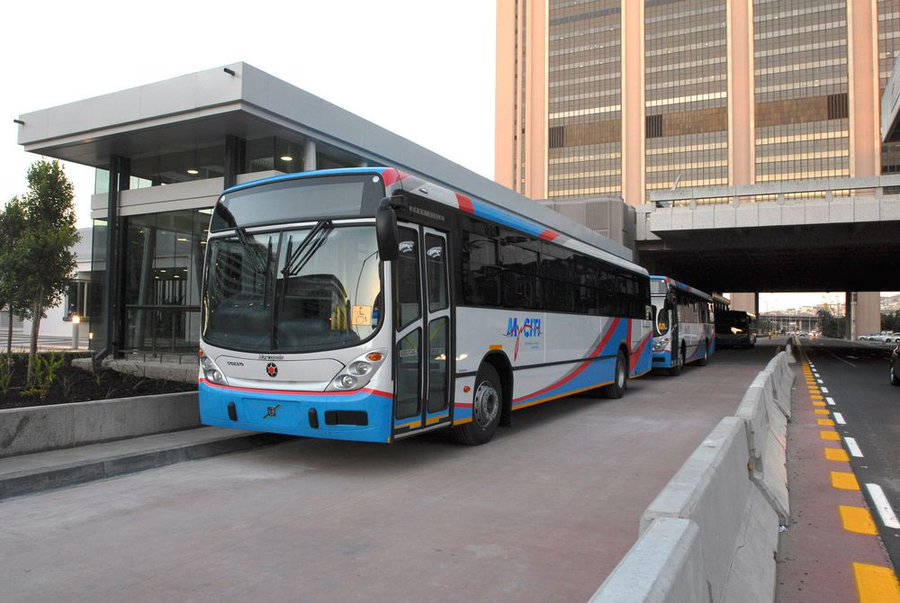

Cape Town will receive its first electric bus in August, marking a major milestone in Africa’s transition to cleaner public transport as cities seek to cut fuel costs, reduce emissions and modernise ageing transit systems.
- Cape Town receives first electric bus in August
- MyCiTi fleet to add 30 e-buses by 2027
- Cape Town targets cheaper, cleaner public transport
- Africa’s EV bus transition reaches Cape Town
The South African city said the vehicle would be the first of a planned 30 electric buses for its MyCiTi rapid transit service, with 13 more expected before the end of 2026 and the full first batch due by June 2027.
The move places Cape Town among a growing number of cities worldwide adopting electric buses, a market led by China and expanding across Europe, Latin America and parts of Africa as battery costs fall and governments look for cheaper long-term transport solutions.
Cape Town officials said the buses would initially run on routes in the metro south-east, including corridors linked to the city’s long-delayed Phase 2A expansion connecting communities such as Mitchells Plain and Khayelitsha with key commercial hubs.
The first units will be 12-metre Volvo BZRLE models with bodies manufactured in Johannesburg, offering a boost for local industry as South Africa tries to build capacity in cleaner vehicle technology.
Rob Quintas, the city’s Mayoral Committee Member for Urban Mobility, said the rollout came at a critical time given uncertainty in global energy markets.
“The delivery of the electric bus fleet cannot be more timeous, given the volatility of the energy markets and uncertain geopolitical environment,” he said.
Cape Town said electric buses could also significantly reduce running costs. International operators have reported lower fuel and maintenance expenses, with some fleets recording savings of up to 70%.
To test local performance, the city will partner with the University of Cape Town on a 12-month pilot programme to study battery durability, charging times, passenger loads, route conditions and the impact of weather on energy use.
The findings will help shape future investment decisions, charging infrastructure, driver training and maintenance systems ahead of a wider rollout from 2027.
If current timelines are met, the first electric buses are expected to begin carrying passengers from July 2027.
Cape Town’s push reflects a broader challenge across Africa, where fast-growing cities face rising fuel import bills, congestion and pressure to lower emissions while expanding affordable transport networks.
For many municipalities, electric buses remain expensive upfront, but officials increasingly view them as a long-term hedge against diesel price shocks and volatile currency markets.