The stripped, DIY experimentalism of SHOOT zine
Zine Scene — Conceived by photographer Paul Mpagi Sepuya in the ’00s, the publication’s photos injected vulnerability into gay portraiture, and provided a window into the characters of the Brooklyn arts scene. A new photobook collates work made across its seven issues.
 Black News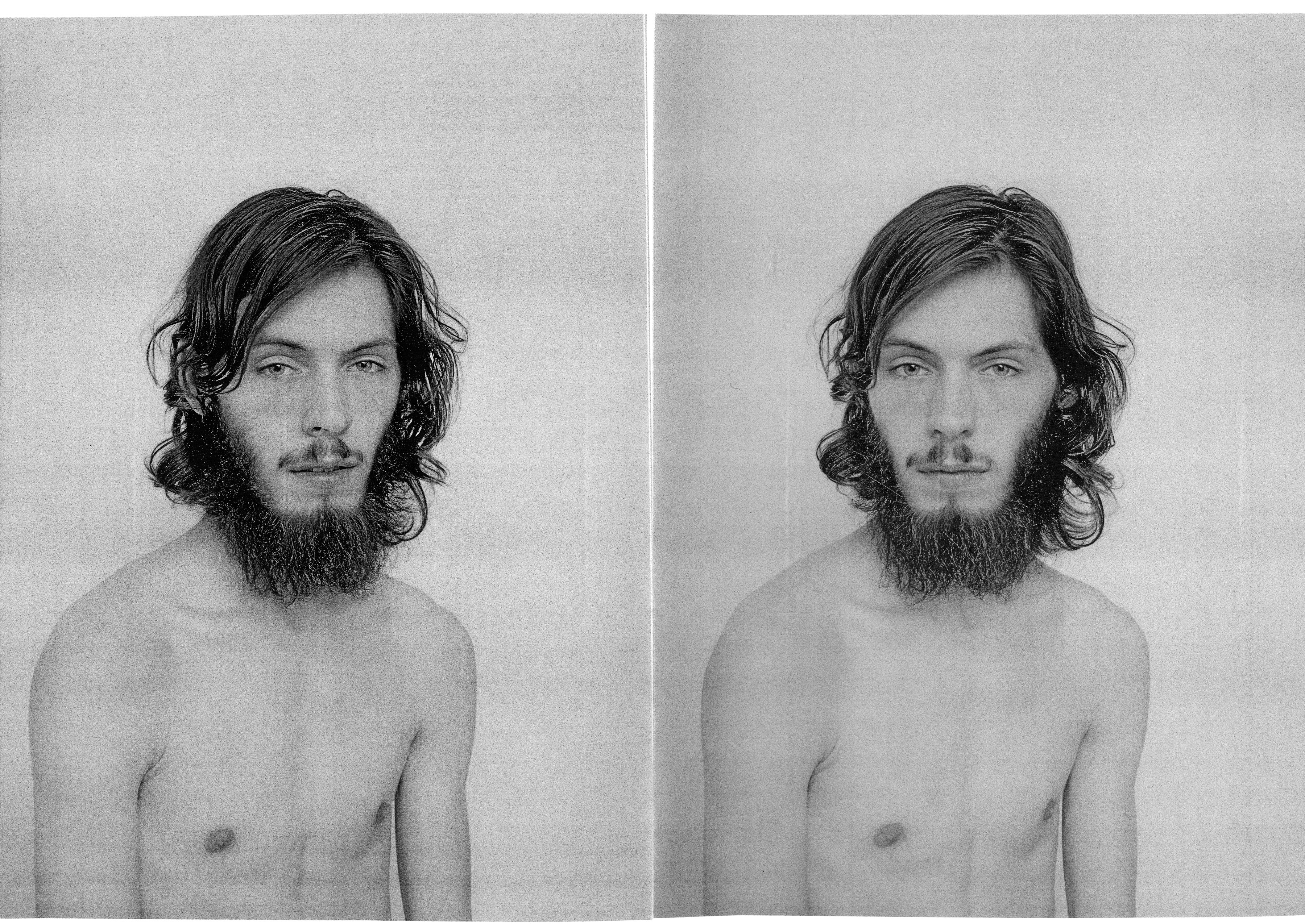


Zine Scene — Conceived by photographer Paul Mpagi Sepuya in the ’00s, the publication’s photos injected vulnerability into gay portraiture, and provided a window into the characters of the Brooklyn arts scene. A new photobook collates work made across its seven issues.
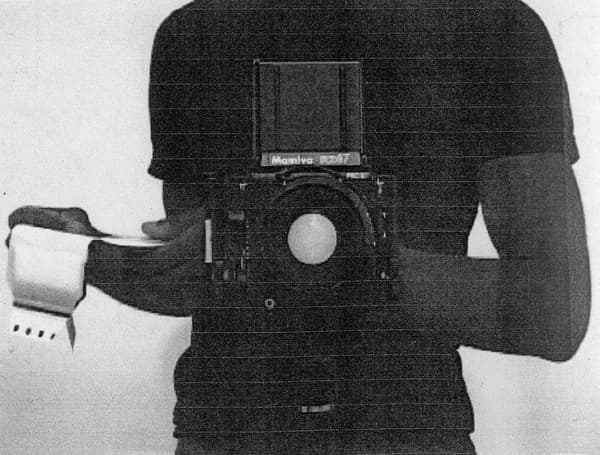
Fresh out of New York University’s Tisch School of the Arts, Paul Mpagi Sepuya created SHOOT, a zine born from need. An aspiring fashion photographer, Sepuya says, “I was drawn to self-publishing because I wanted to get my work out there. It’s easy in retrospect to say there was a plan, but I was trying everything: chapbooks, zines, mock-ups, one offs… SHOOT came from a lot of trial and error.”
Conceived as an extended portrait of friends, muses, and collaborators, Sepuya published just seven issues between 2005 and 2008 that illuminated the exquisite possibilities of the form, his intimate, elegant portraits simmering with a delectable tension rarely ascribed to male nudes. Eschewing the Grade A beefcake of Bruce of Los Angeles, the glittering fantasia of James Bidgood, and the surreal spectacle of David LaChapelle, Sepuya adopted a pared-down aesthetic that stood apart from the campy glamour that long dominated homoerotic imagery.
With the publication of SHOOT (Primary Information), Sepuya returns to where it all began: to the cutting edge zine cooked up in his kitchen that both evokes and transcends the era in which it was made. “I was less than a year out of undergrad and had already been in New York for five years, which, when you’re 22 really does feel like most of your conscious life,” Sepuya says. “I was a New Yorker by then as far as I was concerned. A Williamsburg artfag, city cyclist, naïve, determined, and so fucking excited to be there.”
At a time when personal photo blogs and early social media websites like Friendster began dominating the digital landscape, the printed object maintained an enduring mystique. “People mistook the photographs in SHOOT for studio photography, but I was making those photographs in my kitchen, and then eventually my bedroom,” Sepuya says. “They were friends, or at that middle-point shifting from photographing guys who’d sit for me to exclusively friends. No one in SHOOT was a lover, but I photographed everyone as if they might be.”
That presence forms the essence of the zine: a collaboration rooted in desire, connection, and need that made its presence felt by holding the gaze. “I realised that I was interested in understanding people, and to get rid of everything else,” Sepuya says. “And because I was just coming to understand but maybe not totally comfortable with my own desires, I decided to put a kind of homoerotic curiosity at the forefront of looking. I made SHOOT when I was just becoming close with a majority gay/queer group of friends.”
Sepuya’s timing was impeccable. He made photographs during the evenings and on weekends in a row house he shared with three roommates, made prints in a Bushwick photo lab late at night, and ran off copies on a Xerox machine at his day job. A friend at Printed Matter got SHOOT stocked, putting it on the radar just as the Chelsea gallery scene was taking off. “Once SHOOT came out and people found my work online, I really got connected to a lot of queer photography networks and communities,” Sepuya says. “It’s wild to think back at all of this. It really made me think that anything was possible and there was such an immediacy and so much support for self-publishing.”
SHOOT: Paul Mpagi Sepuya is published by Primary Information. All photos courtesy the artist and Primary Information.
Miss Rosen is a freelance arts and photography writer, follow her on X.
Buy your copy of Huck 83 here.
Enjoyed this article? Follow Huck on Instagram for more from the cutting edge of sport, music and counterculture.
Support stories like this by becoming a member of Club Huck.