Concert Visuals: Crafting Celebrity Brands And Audience Identity
Learn how concert visuals play a vital role in celebrity branding and shaping audience identity. Uncover this powerful tool that redefines fan experiences!
 Black News
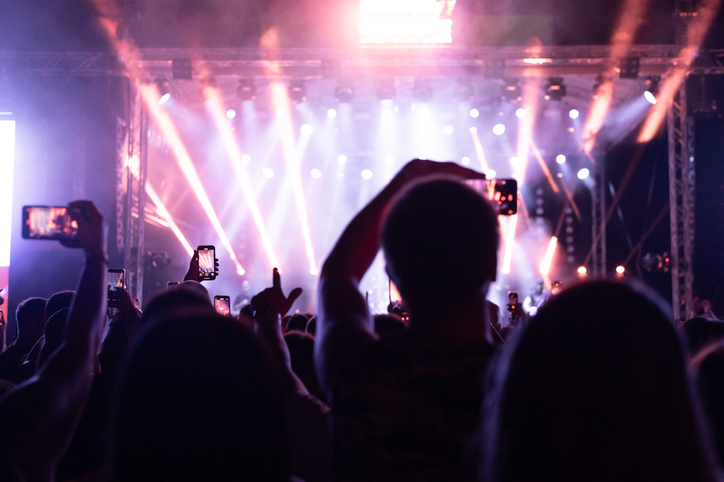
Engaging concert visuals allow Black performers to control their narratives and create an image that blends vibrant fashion, music, and technology. From Travis Scott to late Motown artists, Black performers have created a deeply immersive and engaging environment for fans that can transport attendees into another world. They may recreate elements of their best music videos or incorporate regal themes and history at award shows and festivals like Coachella to further cement their creative zeniths.
Digital Music News reported in 2025 that 84% of YouTube videos contained at least 10 seconds of music. It’s one aspect that shows how audiences are used to enjoying music paired with visuals, whether they’re watching at home on their phones or at an in-person concert. Therefore, audiences hunger for even more engaging images when they take the time and spend increasing amounts of money for a live experience.
How Do Concert Visuals Shape Black Celebrity Branding Strategies?
Being hailed as a solid performer is a major part of artist identity development. Even if someone isn’t known as being the best singer, a theatrical production can still get people in the seats and make sponsors take notice.
Engaging concert visuals aren’t just about showing a few pictures and a background. There’s a lot going on in the space, from sound effects to abstract images that go together to create a story the artist is trying to tell. Black artists often use various themes to connect their personal or cultural histories with broader conversations happening now.
In the ‘80s, pyrotechnics was a huge thing; however, artists don’t even need physical fire as they can simply project the image of it through advanced lighting production technology. Many use massive LED screens across the entire stage, along with kinetic lighting and lasers that create a sense of depth that effectively separates the artist from the background.
What Performers Really Changed the Game?
When you think of a highly visual performance, names that quickly come to mind include:
- Micheal Jackson
- Beyonce
- Missy Elliot
- Prince
- Travis Scott
Notable standouts include Beyoncé’s performance at 2018’s Coachella (also called “Beychella”) because of her groundbreaking work, which included a bleacher pyramid that enabled staggered formations reminiscent of a college stadium. Don’t forget her regal entrance that set the stage for a “Homecoming queen.”
The late Michael Jackson got bigger and bigger with each solo concert tour, incorporating scissor lifts, pyrotechnics, and appearing to fly away in a jet pack, all while still maintaining intense synchronized choreography.
Why Motown Deserves a Shoutout
Strong theatrics from Black performers are nothing new, and modern screens and technology simply add to their impact. Former Motown songwriter, George Clinton, managed to come down on stage in a spaceship in the 70s, before these tech advances.
In 1959, the upstart music label with talented Black musicians led by founder Barry Gordy changed the world of mainstream music by forging strong stage aesthetics with equally strong beats.
That’s why Gordy always demanded his Motown singers be immaculately dressed with the best choreography. Groups from the Supremes to The Temptations to the Jackson 5 claimed the stage on TV and toured in colorful designer outfits as they performed chart-topping hits in synchronization.
Away from Motown, you had another dynamic live performer known as James Brown, who earned the nickname “the Hardest working man in show business” due to his intense discipline. He also worked the stage in immaculate tailored suits and coiffed hair.
However, the cape routine became his signature move after falling to his knees; his band members would drop a cape over him so he could “recover” and get back to killing the stage.
Why Does Visual Storytelling in Concerts Draw People in?
These types of concerts provide a multi-sensory experience that makes it easier to create an emotional response. Not only does it deepen the audience’s connection to their favorite artist, but it’s an event that fans experience together. These high-impact visuals and audience reactions make it easier to share the love in clips on social media.
Well-thought-out shows know when and how to change the color and sound octave to quickly shift the mood and add to the meaning of a song. As more than one sense is impacted, people are much more likely to remember the event.
That’s why immersive experiences are top audience engagement trends, with concerts leading the way. If you have a show planned, your Las Vegas audio technician can help you ensure you help your audience connect better.
Frequently Asked Questions
What Are Visuals at a Concert?
A well-produced show often uses a range of images, videos, and lighting effects projected on screens and other surfaces throughout the performance.
Some of your best acts may use:
- 3D animation
- Projection mapping
- Live feeds
- LED video walls
- Reactive visualizers
- Abstract art and motion graphics paired with a song
How Do Concerts Affect People?
The Garth Newell Music Center reports that music lifts the spirit by increasing your dopamine levels. In other words, there is a scientific reason why a good song or performance often leaves you feeling happier, more energized, and can easily pull you in.
Some research has also suggested that “after concert glow” can last for days.
Research also shows that listening to music can have other physical effects, such as lowering:
- Blood pressure
- Heart rate
- Cortisol levels
It’s an easy way for you to unwind and soothe your body after a long day or a week. That’s why meditative, pulsing music can put your brain into an altered state of consciousness, or what some may call a trance-like state.
Cater to All Your Senses at a Modern Concert
Immersive concert visuals are nothing new when it comes to how dynamic Black music performers operate. What has changed are the tools and the level of technology that’s used.
Savvy musicians and record companies have always understood the impact of colors, fashion style, and movement synchronization through dance. They now apply these rules to projected images behind performers, along with lighting and sound design.
Continue to immerse yourself in engaging content by checking out other entertainment articles on our website.