Darboe turns 30-year history into call for change, unity
Addressing thousands of supporters at the UDP’s 30th anniversary rally at Brikama SSP on Sunday, Mr. Darboe said the party’s history was built on the sacrifices of people who endured imprisonment, violence and, in some cases, death. “We are not mourning them; we are celebrating them,” he said. The rally brought together thousands of supporters, allied groups, political party leaders and representatives, as well as members of the media. Mr. Darboe recalled some of the darkest moments in the UDP’s three-decade history, particularly during former President Yahya Jammeh’s 22-year rule. He remembered September 22, 1996, when UDP supporters were ambushed at Denton Bridge, saying several young members, including Fa Badjo Darboe and Kebuteh Jafuneh, were tortured. He said more than 70 injured people were brought to his home the following day. He also recalled the arrest and beating of Amadou Sanneh by agents of the National Intelligence Agency, saying Mr. Sanneh was targeted for refusing to support the APRC government. Mr. Darboe said such experiences were being remembered to ensure younger Gambians understood the price paid by those who challenged authoritarian rule. He cited confrontations at Fass Njaga Choi and Chamoi Bridge, saying UDP members faced attempts to restrict their political activities and weaken the party. But Solo Sandeng remained central to his account. Mr. Darboe described the UDP activist, who died in state custody in April 2016 after campaigning for electoral reforms, as someone who sacrificed himself for political change. He also remembered Lang Marong, Modou Ngum, Kafu Bayo, Nyanging Bojang, Babucarr Camara and Falang Sonko among those who paid a heavy price. Nearly a decade later, Mr. Darboe said some of the reforms sought by the activists remain unfinished. He singled out the Public Order Act, arguing that it continues to restrict political rights and free electoral competition. With the December 5 presidential election approaching, Mr. Darboe linked the party’s history to its political ambitions, calling for opposition unity and urging Gambians to reject ethnic divisions. He called for President Adama Barrow to be removed through the ballot box. Mr. Darboe also pledged greater representation for persons with disabilities, including in senior government positions, alongside increased support for farmers and greater emphasis on agriculture. For the UDP leader, the anniversary was therefore more than a celebration of the past. It was a reminder that the struggle, as he presented it, now rests with those who remain.
 Black News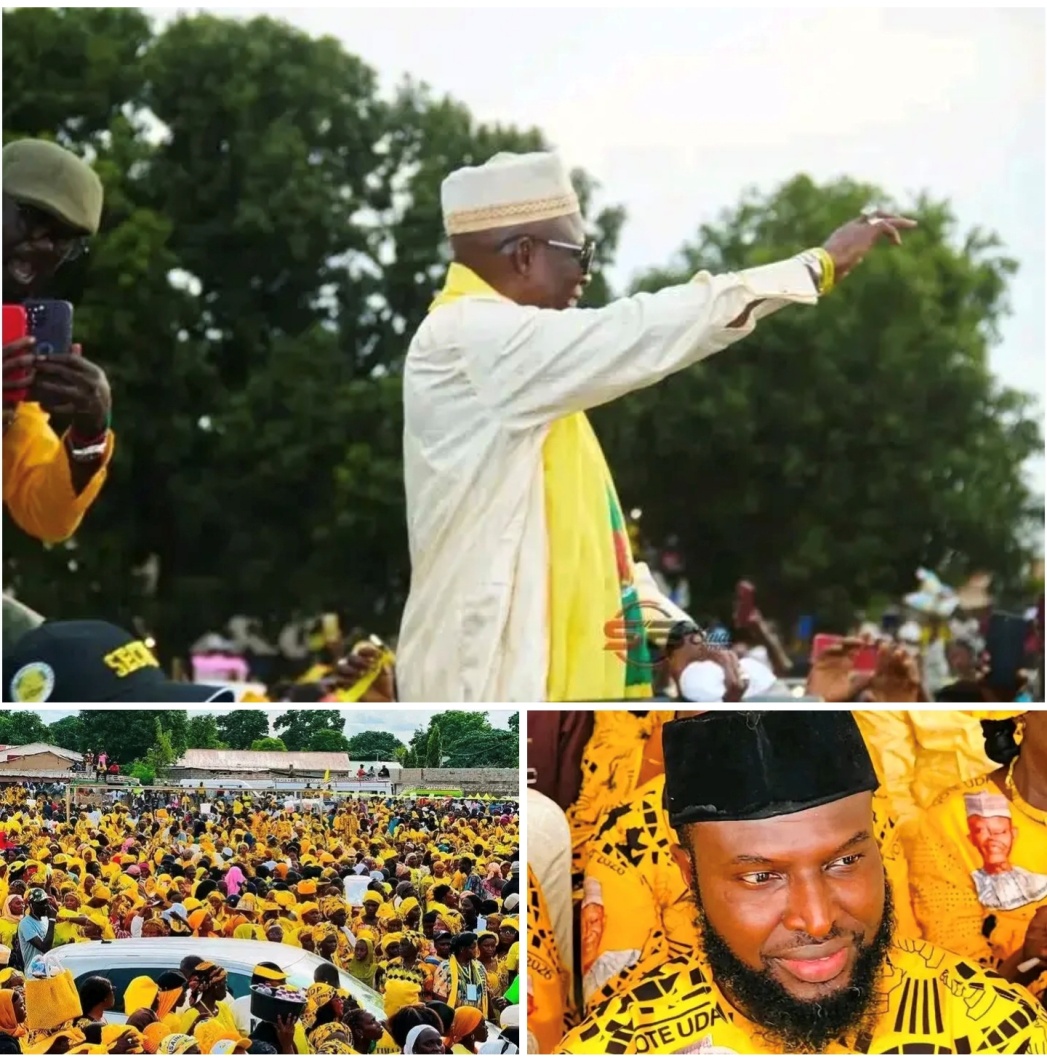

Addressing thousands of supporters at the UDP’s 30th anniversary rally at Brikama SSP on Sunday, Mr. Darboe said the party’s history was built on the sacrifices of people who endured imprisonment, violence and, in some cases, death.
“We are not mourning them; we are celebrating them,” he said.
The rally brought together thousands of supporters, allied groups, political party leaders and representatives, as well as members of the media.
Mr. Darboe recalled some of the darkest moments in the UDP’s three-decade history, particularly during former President Yahya Jammeh’s 22-year rule.
He remembered September 22, 1996, when UDP supporters were ambushed at Denton Bridge, saying several young members, including Fa Badjo Darboe and Kebuteh Jafuneh, were tortured. He said more than 70 injured people were brought to his home the following day.
He also recalled the arrest and beating of Amadou Sanneh by agents of the National Intelligence Agency, saying Mr. Sanneh was targeted for refusing to support the APRC government.
Mr. Darboe said such experiences were being remembered to ensure younger Gambians understood the price paid by those who challenged authoritarian rule.
He cited confrontations at Fass Njaga Choi and Chamoi Bridge, saying UDP members faced attempts to restrict their political activities and weaken the party.
But Solo Sandeng remained central to his account. Mr. Darboe described the UDP activist, who died in state custody in April 2016 after campaigning for electoral reforms, as someone who sacrificed himself for political change.
He also remembered Lang Marong, Modou Ngum, Kafu Bayo, Nyanging Bojang, Babucarr Camara and Falang Sonko among those who paid a heavy price.
Nearly a decade later, Mr. Darboe said some of the reforms sought by the activists remain unfinished. He singled out the Public Order Act, arguing that it continues to restrict political rights and free electoral competition.
With the December 5 presidential election approaching, Mr. Darboe linked the party’s history to its political ambitions, calling for opposition unity and urging Gambians to reject ethnic divisions.
He called for President Adama Barrow to be removed through the ballot box.
Mr. Darboe also pledged greater representation for persons with disabilities, including in senior government positions, alongside increased support for farmers and greater emphasis on agriculture.
For the UDP leader, the anniversary was therefore more than a celebration of the past. It was a reminder that the struggle, as he presented it, now rests with those who remain.