Domestic abuse is about power and control, not ordinary relationship conflict – ARK Foundation
The Executive Director of the ARK Foundation, Dr Angela Dwamena-Aboagye, has called for a better understanding of domestic abuse, warning that treating it as an ordinary disagreement between couples can prevent victims from receiving the support and protection they need.
 Black News
The Executive Director of the ARK Foundation, Dr Angela Dwamena-Aboagye, has called for a better understanding of domestic abuse, warning that treating it as an ordinary disagreement between couples can prevent victims from receiving the support and protection they need.
She said abuse was fundamentally about one person using a pattern of controlling, coercive and harmful behaviour to gain and maintain power over another, rather than simply two people disagreeing.
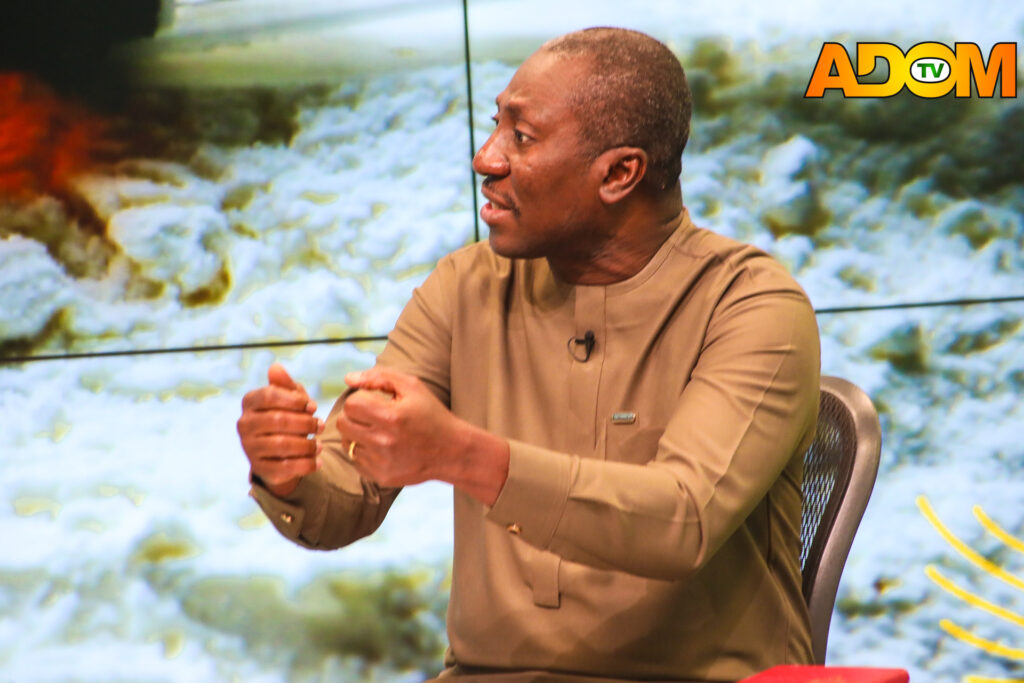
Speaking on Joy FM’s Super Morning Show during a discussion on why people remain in abusive relationships, Dr Dwamena-Aboagye said a failure to understand the nature of abuse often led people to confuse it with common arguments in marriages and relationships.
When asked about the causes of domestic abuse and how society could address the problem, she said the need for people to understand what abuse entails before attempting to offer solutions.
“If we don’t understand the phenomenon itself, we conflate it with many other things,” she said.
“You know, for example, that it’s like people fighting in a relationship. But there’s a big difference between common household arguments, conflicts within marriages or relationships and violence.”
She urged the public to take advantage of available information to learn about abusive behaviour and how it differs from ordinary relationship disagreements.
“Let’s get knowledge and understanding about the phenomenon of abuse within relationships, within our homes, within marriages or families,” she said.
Dr Dwamena-Aboagye explained that domestic abuse involves a pattern of behaviour through which an individual seeks to control another person and maintain dominance in a relationship.
Defining an abuser, she said: “An abuser is a person who uses a pattern of coercive, controlling and harmful behaviors to gain and maintain power over an intimate partner, a family member or a dependent.”
She urged the public to pay particular attention to the words pattern, coercive and controlling, saying these were central to understanding how abuse operates.
“The dynamics are simple. I want to exercise power and control over you because I believe that I have that power and I can control you,” she said.
According to her, this sense of entitlement may come from an individual’s beliefs about themselves, the culture in which they live, or the attitudes they learnt while growing up.
She said understanding these influences was important because cultural beliefs can shape how people view relationships, including whether they believe one partner has the right to dominate or control the other.
Without this understanding, she warned, people risk offering advice that fails to address the real problem.
Dr Dwamena-Aboagye acknowledged that advice encouraging submissiveness or urging men not to beat their wives could be well-intentioned.
However, she said such advice could be inadequate if it failed to recognise the underlying pattern of control in an abusive relationship.
She explained that abuse was not simply a case of one partner reacting badly to something the other had done. Instead, it involved one person assuming the authority to control or harm the other.
That imbalance can also affect how people interpret a victim’s response to violence.
“In a relationship where there’s abuse, you would see a pattern of dominance. One person arrogates to themselves the power to do certain things against the other person,” she said.







![I Placed My Black Son For Adoption After Rape — His Memoir, ‘Stranger In My Own Story,’ Helped Me Reclaim Mine [Op-Ed]](https://madamenoire.com/wp-content/uploads/sites/9/2026/09/17907998954811-rotated-e1790802025921.jpg?quality=80&strip=all&w=2448&crop=0,0,100,1322px#)