Enabling Women and Changing the System, One Hair Conversation at a Time
The inaugural Hair Freedom EXPO in Sydney has shifted the conversation around coily, kinky and…
 Black News
The inaugural Hair Freedom EXPO in Sydney has shifted the conversation around coily, kinky and curly hair from awareness towards practical changes in education, employment and the hair industry. Hosted by Enable Women Africa (EWA) on September 20 at Novotel Parramatta, the event brought together hair professionals, educators, community members, advocates and industry stakeholders to examine the experiences of people whose natural hair is often poorly understood in professional and educational settings. The event was also recognised in the NSW Parliament, where it was described as creating a space for education, conversation and change.
For EWA, the expo was intended to address more than hairstyling. Discussions centred on gaps in education and representation, limited access to skilled professionals, experiences in schools and workplaces, and assumptions about what constitutes “professional” hair. These issues have wider implications for participation and opportunity, particularly when a lack of culturally responsive knowledge can affect people’s confidence in education, employment and everyday services. Under Australia’s Racial Discrimination Act, discrimination based on race, colour, descent or national or ethnic origin is unlawful across areas including employment and education.

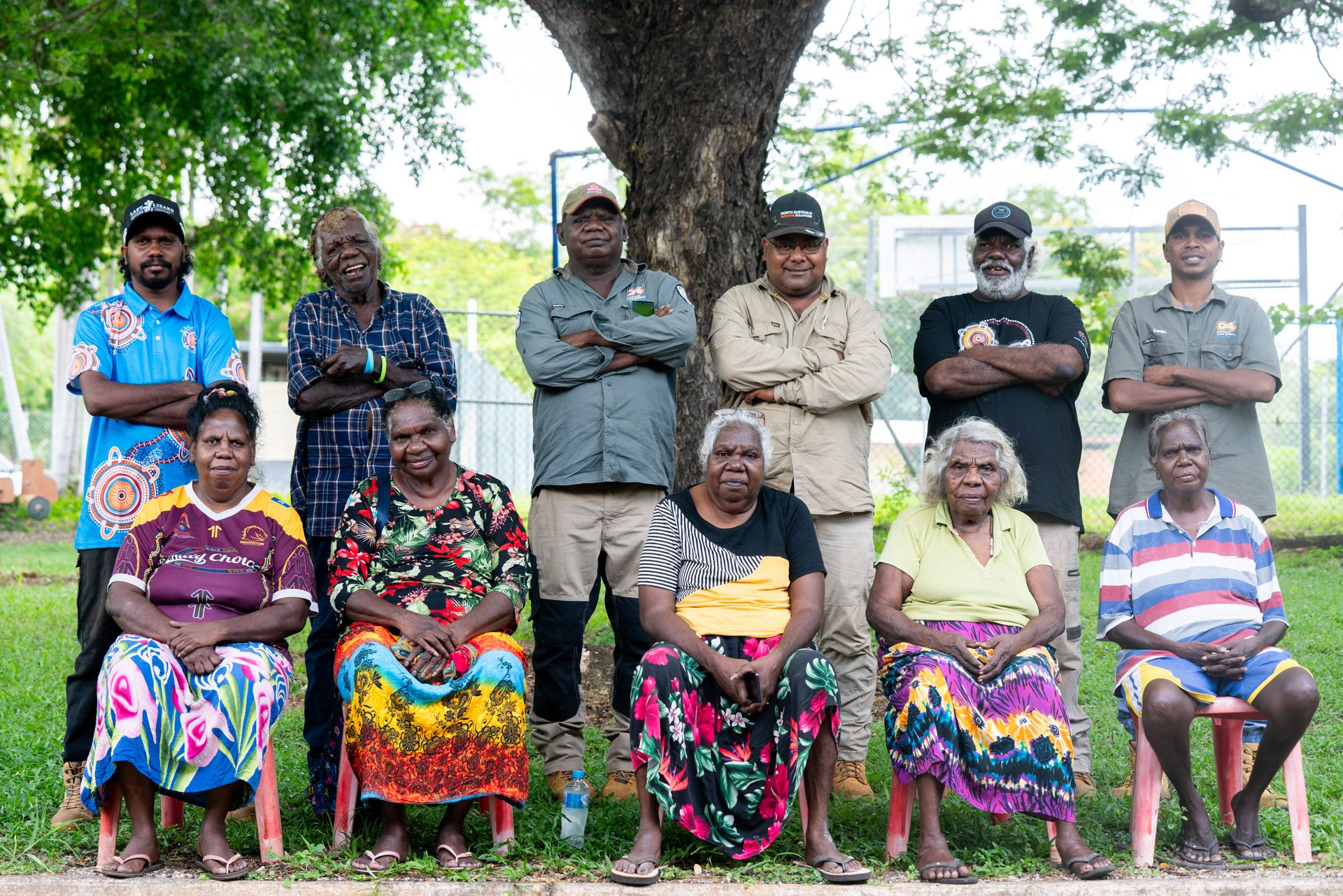
Some attendees posing for the event (Photo source :Linked in)
One immediate area of focus is vocational education. Questions about the representation of African and other textured hair in hairdressing training have already reached the NSW Parliament. A government response in December 2025 said TAFE NSW follows the national hairdressing training package and noted that proposed updates included a stronger focus on different hair structures. For people seeking careers in the hair industry, broader training in textured hair could expand professional capabilities while also creating opportunities for more culturally responsive businesses and services.
The economic dimension is particularly relevant to communities that have built businesses and professional expertise around textured hair. Greater access to appropriate training can support aspiring stylists, salon owners and entrepreneurs, while stronger industry knowledge can help businesses serve a broader customer base. The expo’s participation by TAFE NSW and educator Nazik Yako also connected the discussion with training pathways and the possibility of turning existing skills and informal experience into recognised careers.

Research outside Australia has also linked perceptions of natural hair with workplace experiences among Black women. A 2025 study found that perceptions of an organisation’s acceptance of natural hair were associated with authenticity and experiences of hair discrimination, while newer research has examined how hair-related microaggressions can affect Black women’s workplace experiences. These findings provide context for the concerns raised at the expo, while also highlighting why changes in workplace culture and professional standards can have implications beyond appearance.
Following the event, EWA says it is engaging with the hair industry, TAFE NSW and government stakeholders to examine the outcomes of the discussions and consider practical responses. The organisation’s approach brings together research, lived experience, education, industry and policy, with the aim of moving from identifying gaps to developing solutions that can be implemented. EWA founder Gloria Tabi described the next stage clearly: “The EXPO was a beginning, not an endpoint.”

For African and wider multicultural communities, that next stage could determine whether the conversations generated in Parramatta translate into tangible change and opportunities in training, employment, entrepreneurship and professional services across Australia . Tabi says EWA wants to move “FROM conversation → TO solutions” and build that future with industry leaders, educators, government stakeholders, founders, sponsors and community organisations. The challenge now is turning the concerns raised at the expo into changes that expand participation in Australia’s hair economy while making schools and workplaces more inclusive of different hair textures and cultural identities.