FAO data ranks Saint Lucia sixth globally for pesticide use intensity
An article published by The Economist this month highlighted a concern that international organisations such as the FAO (Food and Agriculture Organisation of the United Nations) have raised for some time: some Caribbean countries have high levels of pesticide use. Citing FAO data published in 2025 that track pesticide use worldwide from 1990 to 2023, […] The article FAO data ranks Saint Lucia sixth globally for pesticide use intensity is from St. Lucia Times.
 Black News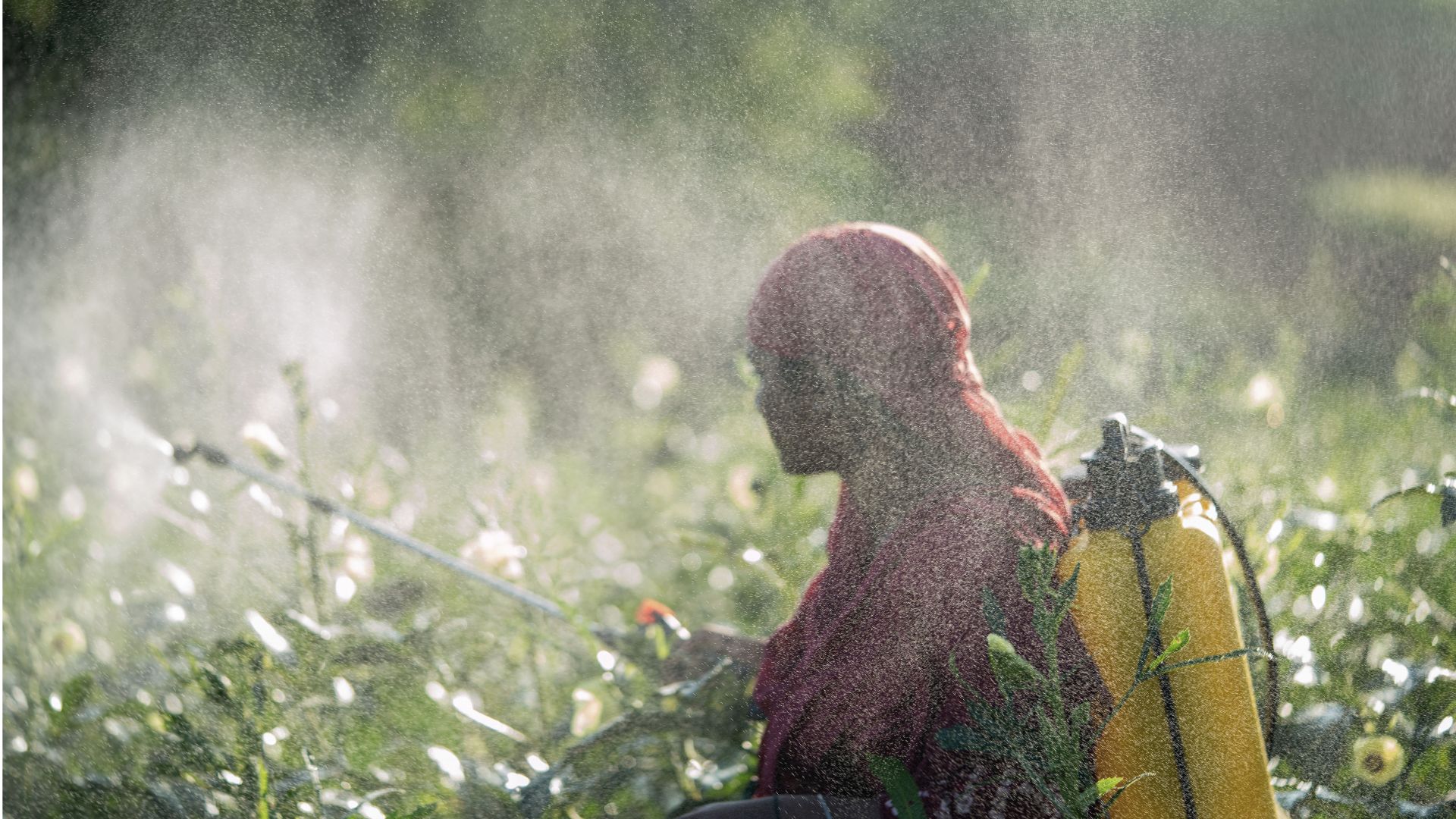
An article published by The Economist this month highlighted a concern that international organisations such as the FAO (Food and Agriculture Organisation of the United Nations) have raised for some time: some Caribbean countries have high levels of pesticide use.
Citing FAO data published in 2025 that track pesticide use worldwide from 1990 to 2023, the article ranked Saint Lucia sixth among 176 countries and territories for pesticide use intensity.
According to the dataset, the island applies 27.6 kilograms of pesticides per hectare of cropland. For comparison, the study reports that China uses 1.8 kilograms per hectare, while the United States uses 2.8 kilograms per hectare.
The article connected heavy pesticide use to possible harm to both public and environmental health. Long-term exposure to some pesticides has been linked to a higher risk of diseases like prostate cancer and multiple myeloma. In 2024, the International Agency for Research on Cancer’s Global Cancer Observatory said prostate cancer was the most common cancer among men in the Caribbean.
That concern has also been reflected in regional research. A study that tracked 11,182 banana plantation workers in Guadeloupe and Martinique between 1981 and 2019 found that those with the highest combined exposure to pesticides were 2.2 times more likely to get prostate cancer than those with the lowest exposure. The study also found they were almost four times more likely to develop blood cancers, including multiple myeloma.
Environmental concerns extend beyond human health. Soil exposed to harmful chemicals can gradually lose quality as earthworms and other beneficial organisms are eliminated. Pesticides that run off into rivers and coastal waters can harm coral reefs, and improperly disposing of old pesticides can threaten wildlife and ecosystems. Those concerns prompted an FAO-supported Disposal of Obsolete Pesticides project in 2019, which aimed to help 11 Caribbean countries safely dispose of pesticide waste.
Environmentalists say there are several reasons why pesticide use might be higher in tropical Caribbean countries.
Some reasons include labour shortages, which make farmers rely more on chemical weed control; hot and humid weather that helps weeds, pests, and fungi grow quickly; limited access to safer alternatives; and steep, hilly land that makes lower application rates less effective.
Limited training on the appropriate selection and use of pesticides has also been identified as a concern.
Ibed’Negus Sealy, a local farmer, says he uses pesticides at least once a week. “I perform integrated pest control weekly, and based on information gathered during that process, I would apply pesticides accordingly,” Sealy told St Lucia Times.
He later pointed to limited access to a wider range of products as a big challenge for the industry. He hopes farmers across the region will eventually have access to products better suited to Caribbean conditions. “I have to acknowledge the limitations of farmers within their respective nations; governments play a bigger role in deciding what products the country imports,” he said.
Four other Caribbean countries are also in the global top 10. Antigua and Barbuda is second, using 36.6 kilograms of pesticides per hectare of cropland. The Turks and Caicos Islands are fifth at 28 kilograms per hectare. Trinidad and Tobago is eighth with 25 kilograms per hectare, and Saint Vincent and the Grenadines is tenth with 21.9 kilograms per hectare.
The FAO is also working to help reduce dependence on hazardous pesticides across the region. In 2023, it started the Implementing Sustainable Low and Non-Chemical Development in Small Island Developing States (ISLANDS) project, which targets nine Caribbean countries, including Saint Lucia. The project aims to cut the use of highly hazardous pesticides by 220 metric tonnes over five years.
The article FAO data ranks Saint Lucia sixth globally for pesticide use intensity is from St. Lucia Times.