For China, genocide ruling against Myanmar is a diplomatic dilemma
Beijing is a close strategic partner and has substantial economic interests in the Rakhine state where the atrocities against the Rohingya ocurred.
 Black News

The recent ruling by the International Court of Justice (ICJ) that Myanmar committed genocide against its Rohingya Muslim minority in 2017 challenges China both economically and politically.
China is a close strategic partner of Myanmar. It has substantial economic interests in Rakhine, the state on Myanmar’s western coast where the atrocities against the Rohingya occurred.
Oil and gas pipelines connect the coast to China, starting around Maday Island and Kyaukphyu, farther south than the areas central to the genocide case.
China also has a close, longstanding diplomatic relationship with Myanmar, which it has maintained since the military seized power there in a 2021 coup.
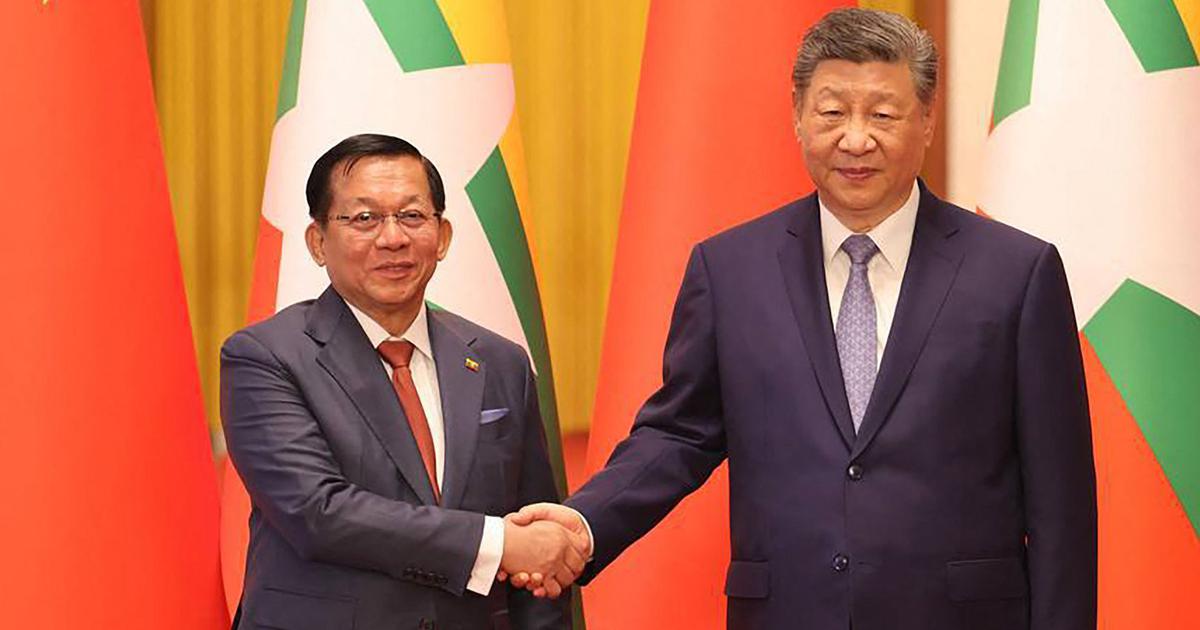
Myanmar’s president, Min Aung Hlaing, paid a state visit to China in 2026 during which both countries pledged to deepen political and security cooperation. A withdrawal from these relationships would carry costs for Beijing.
The ICJ’s recent judgment does not order China to end diplomatic ties with Myanmar. Its binding force applies only to the parties in the case.
But the ruling, which marks the first time a state has been held responsible for committing a genocide, changes the legal context around China’s engagement with Myanmar.
China is now confronted with a difficult dilemma: how far can Beijing defend its partner and its own strategic interests while maintaining its stated support for international justice?
A diplomatic dilemma
The ICJ ruling orders...