Horn Peace and Africa’s Renewal Will Not Be Halted by Geopolitical Intrigue
Addis Ababa, October 2, 2026 (FMC) — Ethiopia stands at the heart of the Horn of Africa’s strategic balance not merely by the weight of its geography, population or resources, but by the historic role it has played in shaping the destiny of the region and the continent. For generations, Ethiopia has fought not only […]
 Black News
Addis Ababa, October 2, 2026 (FMC) — Ethiopia stands at the heart of the Horn of Africa’s strategic balance not merely by the weight of its geography, population or resources, but by the historic role it has played in shaping the destiny of the region and the continent.
For generations, Ethiopia has fought not only to defend its sovereignty and independence, but also to preserve Africa’s freedom and dignity.
Its resistance to colonialism, its contribution to the liberation of African peoples, its role in the establishment of the Organization of African Unity and its longstanding contribution to regional peace have made Ethiopia far more than an ordinary state in the Horn.
That historic responsibility is now taking a new form.
Ethiopia is seeking to translate its immense human potential, natural resources and strategic position into a foundation for shared prosperity—not only for its own people, but for a region whose future is inseparable from Ethiopia’s stability and progress.
Through economic integration, infrastructure connectivity, energy cooperation, trade and people-to-people ties, Ethiopia’s development trajectory is increasingly intertwined with the broader aspiration of an African renaissance.
This is precisely why the forces seeking to obstruct Ethiopia’s peace and progress cannot be viewed as an ordinary collection of bilateral disagreements.
There are forces that do not want to see a peaceful, stable, prosperous and increasingly influential Ethiopia emerging at the center of the Horn.
Among the most consequential of these is the Eritrean regime, whose posture toward Ethiopia has for decades been shaped by a political logic that views Ethiopia’s strength and stability through the prism of its own political survival.
The question therefore goes beyond why Eritrea disagrees with Ethiopia on individual issues. The deeper question is why the rise of a peaceful and prosperous Ethiopia should be treated as a threat at all.
A strong Ethiopia does not have to mean a threatened Eritrea. A peaceful Ethiopia does not have to mean an insecure Horn.
An economically integrated Ethiopia does not have to mean the subjugation of its neighbors.
Yet the politics of perpetual confrontation have repeatedly sought to turn Ethiopia’s legitimate aspirations into grounds for hostility, suspicion and confrontation.
For decades, the Eritrean leadership has pursued a posture that has kept the specter of confrontation hanging over Ethiopia.
From its historical cooperation with external adversaries of Ethiopia to its interaction with internal forces working against the country’s stability, the pattern has repeatedly pointed toward one objective: keeping Ethiopia under pressure and preventing the consolidation of lasting peace.
The consequences of such a strategy extend far beyond the two countries. When Ethiopia is weakened, the Horn is weakened. When Ethiopia is dragged into cycles of internal conflict, regional integration is disrupted.
When Ethiopia’s economic transformation is obstructed, the aspirations of millions across the region for connectivity, trade and shared prosperity are also placed under strain.
Ethiopia, however, has repeatedly chosen patience over provocation.
Despite the weight of history, shared communities and deep human ties across the border, Addis Ababa has consistently sought diplomatic avenues and peaceful mechanisms for resolving disputes.
Ethiopia’s commitment to peace has not been a sign of weakness. It has been a conscious recognition that lasting regional stability cannot be built through endless confrontation.
But a hand extended for peace cannot be mistaken indefinitely for a hand incapable of responding.
The latest rupture with Asmara has brought that reality into sharp focus. On October 1, Ethiopia decided to close its Embassy in Asmara and declared 10 Eritrean diplomats in Addis Ababa persona non grata, ordering them to leave the country within 48 hours. Ethiopia’s Ministry of Foreign Affairs said the measures came in response to Eritrea’s “direct and indirect acts of hostility and belligerence” against Ethiopia and stated that the diplomats had been involved in activities posing a direct threat to national security.
This was not an isolated diplomatic gesture. It was the culmination of a steadily deepening confrontation over Ethiopia’s security, sovereignty and regional trajectory.
Ethiopia has identified Eritrea and Egypt as external actors supporting forces seeking to destabilize the country. The two governments have rejected the claims.
But the broader reality is unmistakable: Ethiopia is confronting an increasingly interconnected regional security environment in which internal armed conflict, external geopolitical competition and longstanding disputes over strategic resources and influence are colliding.
The attempt to weaken Ethiopia through internal turmoil is not simply an Ethiopian domestic concern. It carries consequences for the entire Horn and for Africa’s wider integration project.
A country of Ethiopia’s scale cannot be continuously pushed toward instability without consequences for the region around it.
The Horn’s trade corridors, energy networks, investment prospects, peace and security architecture and continental connectivity all depend heavily on Ethiopia’s stability.
This is why attempts to choke Ethiopia through conflict, pressure and external interference cannot be separated from the wider struggle over the future direction of the Horn.
The objective is not merely to create another temporary crisis. The danger lies in keeping Ethiopia permanently occupied by internal conflict so that it cannot devote its full national energy to development, integration, technological transformation and the realization of its strategic interests.
Yet Ethiopia is no longer the country it was decades ago.
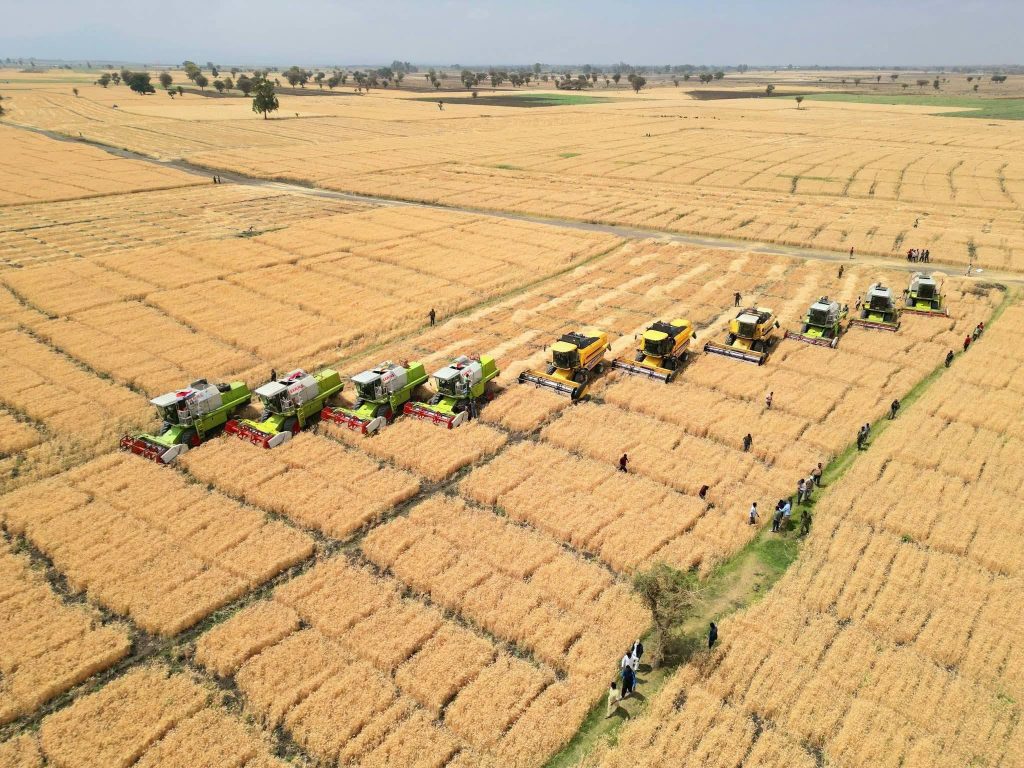
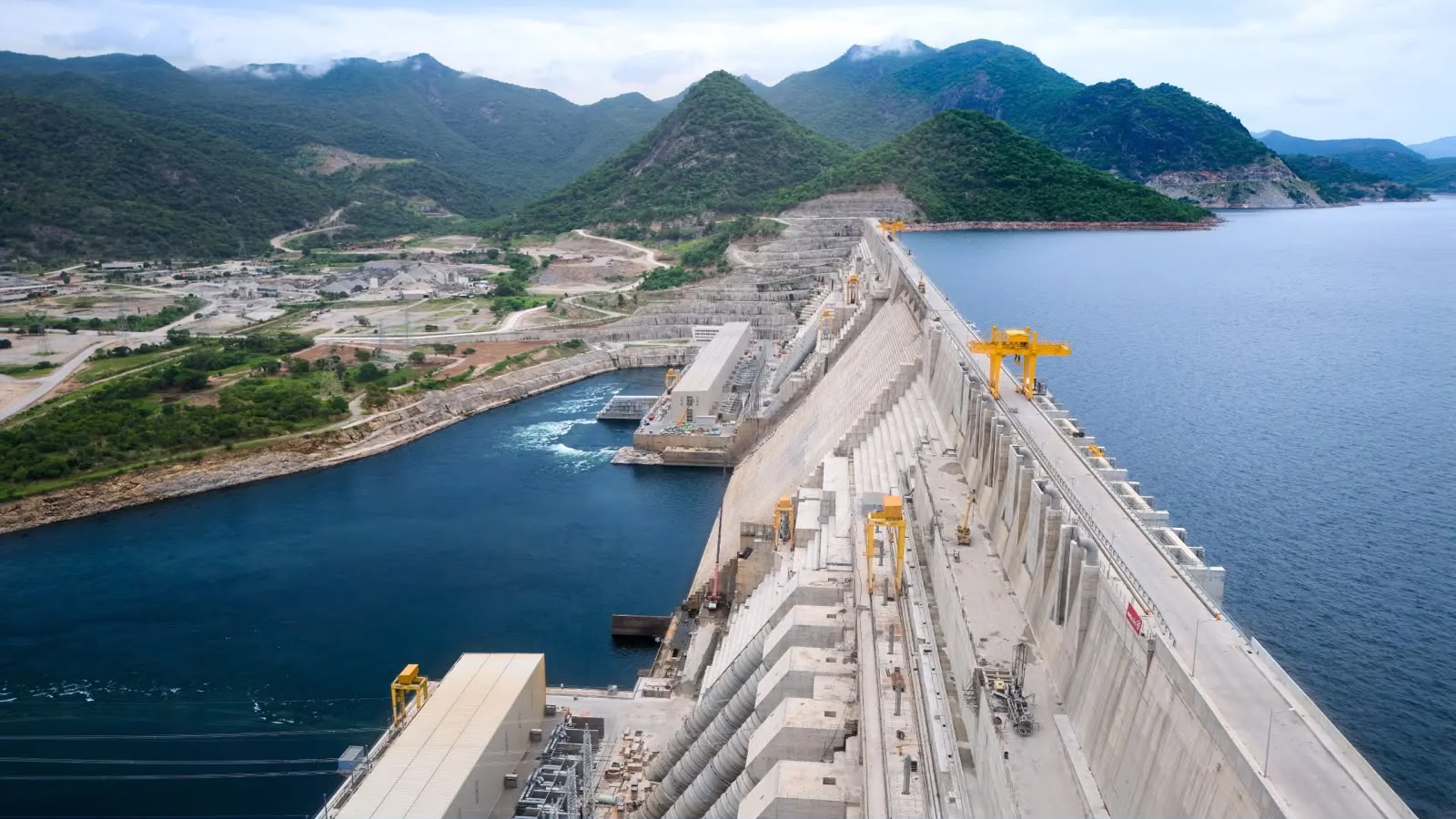
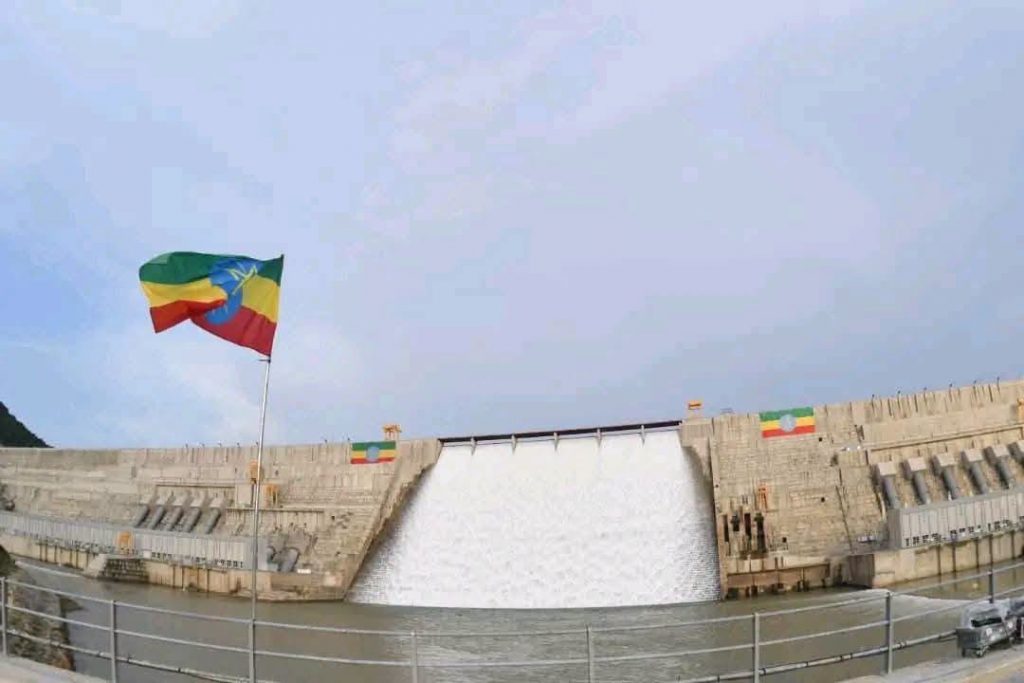
The country is building infrastructure at a scale that is reshaping its economic geography. It is expanding energy generation, digital connectivity, manufacturing capacity, agricultural productivity, tourism and regional trade.
It is pursuing economic reforms intended to unlock private-sector growth while investing in technological capabilities and human capital. It is also positioning itself as a major driver of continental connectivity and African economic integration.
That transformation inevitably alters the strategic balance of the Horn.
Ethiopia’s emergence as a stronger economic and political center cannot be permanently suppressed by attempts to revive the old politics of fragmentation and perpetual confrontation.
Nor can Africa’s renaissance be built by weakening one of its largest and most strategically consequential countries.
The Horn of Africa does not need another generation sacrificed to proxy struggles, geopolitical manipulation and manufactured confrontation.
It needs states capable of looking beyond short-term calculations toward the shared interests of their peoples and the continental future envisioned under Agenda 2063.
Ethiopia’s pursuit of peace should therefore not be confused with passivity. Its commitment to dialogue should not be interpreted as surrender. And its preference for diplomatic solutions should never be mistaken for an absence of resolve.
The decision to close the embassy in Asmara and remove the 10 Eritrean diplomats marked a clear assertion that Ethiopia’s sovereignty and national security cannot be treated as negotiable matters.
Eritrea subsequently announced that it was severing diplomatic ties with Ethiopia, deepening the rupture between the two neighbors.
The diplomatic rupture comes as renewed fighting in northern Ethiopia has heightened regional concerns, making the stakes considerably larger than the relationship between Addis Ababa and Asmara alone.
This is precisely the moment when Ethiopia must remain focused on the larger historical horizon.
Those seeking to bleed Ethiopia through internal conflict, surround it through hostile regional calculations or obstruct its emergence as a force for integration cannot be allowed to define the country’s future.
The response must be rooted in truth, national unity, institutional strength, diplomatic clarity and the full protection of Ethiopia’s sovereignty.
Ethiopia must expose destructive schemes wherever they emerge and confront them through the appropriate legal, diplomatic and national mechanisms.
The country’s peace cannot be held hostage by those who prosper from instability.
Its development cannot be suspended because external actors prefer a weaker Ethiopia.
Its continental responsibility cannot be abandoned because the Horn remains trapped in the calculations of yesterday.
The future of Ethiopia is inseparable from the future of the Horn, and the future of the Horn is inseparable from Africa’s broader renewal.
A peaceful, stable and prosperous Ethiopia can serve as an engine for regional connectivity, economic integration and continental transformation. A destabilized Ethiopia, by contrast, would reverberate far beyond its borders.
That is why the struggle before Ethiopia today is larger than any single diplomatic confrontation or military crisis.
It is a struggle over whether the Horn will remain captive to cycles of confrontation or move toward a new era defined by integration, prosperity and shared security.
The ambitions of conspirators cannot halt that journey.
False narratives, external pressure, hostile calculations and attempts to exploit Ethiopia’s internal challenges cannot erase its historic place in Africa or extinguish the aspirations of its people.
The Horn’s peace will not be stopped by those who seek perpetual instability.
Africa’s renewal will not be halted by those who fear Ethiopia’s rise.
And Ethiopia’s march toward peace, prosperity, sovereignty and greatness will continue.