How a US university became an unlikely home for Carnatic music and dance
Wesleyan University’s 50-year-old Navaratri Festival grew from decades of engagement with Indian classical arts and the legacy of the Dhanammal family.
 Black News
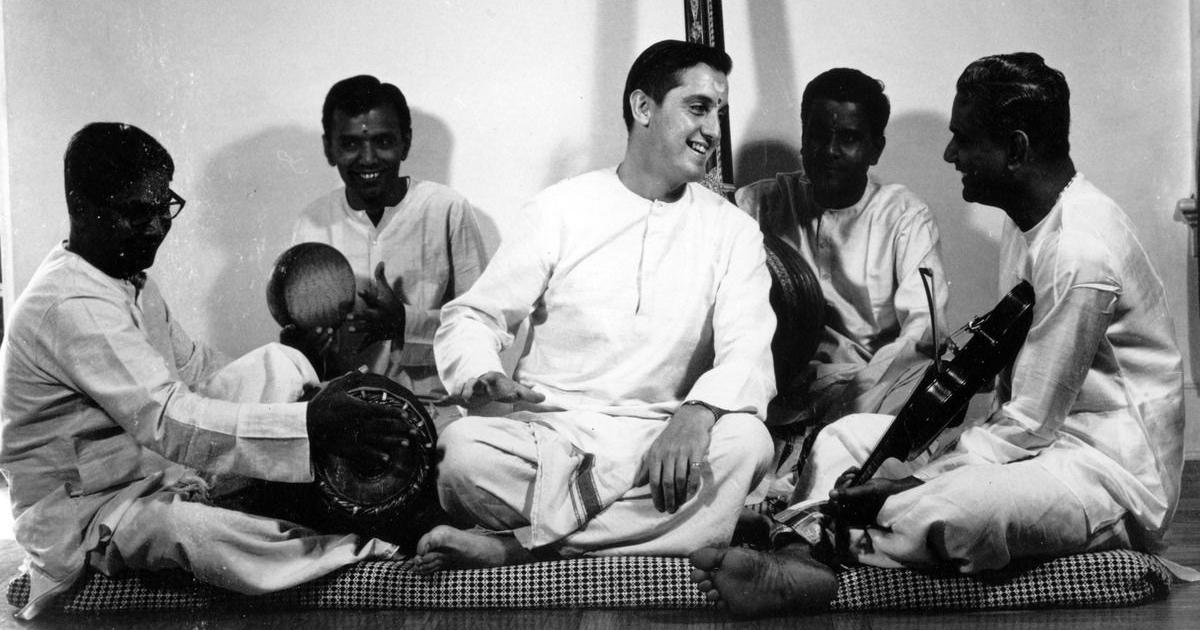

What could a legendary Devadasi lineage of musicians and dancers have to do with the arts department of a small New England liberal arts university? The answer lies in a historic association that is celebrated every October with an unusual festival of Indian classical arts.
As autumn colours start to flare across the landscape of Middletown in Connecticut, Wesleyan University comes alive with the oldest festival of Carnatic music and dance outside India. For 50 years, the university has hosted the historic Navaratri Festival, showcasing the eclectic facets of the South Indian classical arts tradition.
With the Indian diaspora sprawling across the globe, Indian cultural festivals are now common fixtures on the calendars of many US cities. Yet the Navaratri Festival is about much more than cultural nostalgia. It is built on nearly seven decades of deep, critical academic engagement with Carnatic arts and their legendary practitioners through teaching, research and performance.
Hari Krishnan, a renowned Bharatanatyam scholar, dancer, choreographer and professor of dance at Wesleyan for 25 years, says the festival embodies the ever-changing face of classical arts, weaving together history, legacy and community.
“Wesleyan has been a major site for the performance of Indian dance and music,” said Krishnan, who is also a professor of Global...