Informal apprenticeships remain Africa’s largest skills development system
Informal apprenticeships remain Africa’s largest skills development system, providing training opportunities to millions of young people and workers who would otherwise lack access to formal training. This was one of the highlights at the third annual regional conference of the Sub-Saharan Africa Skills and Apprenticeship Stakeholders Network held in Abuja, Nigeria, last week. The Ministry […] The post Informal apprenticeships remain Africa’s largest skills development system appeared first on The Namibian.
 Black News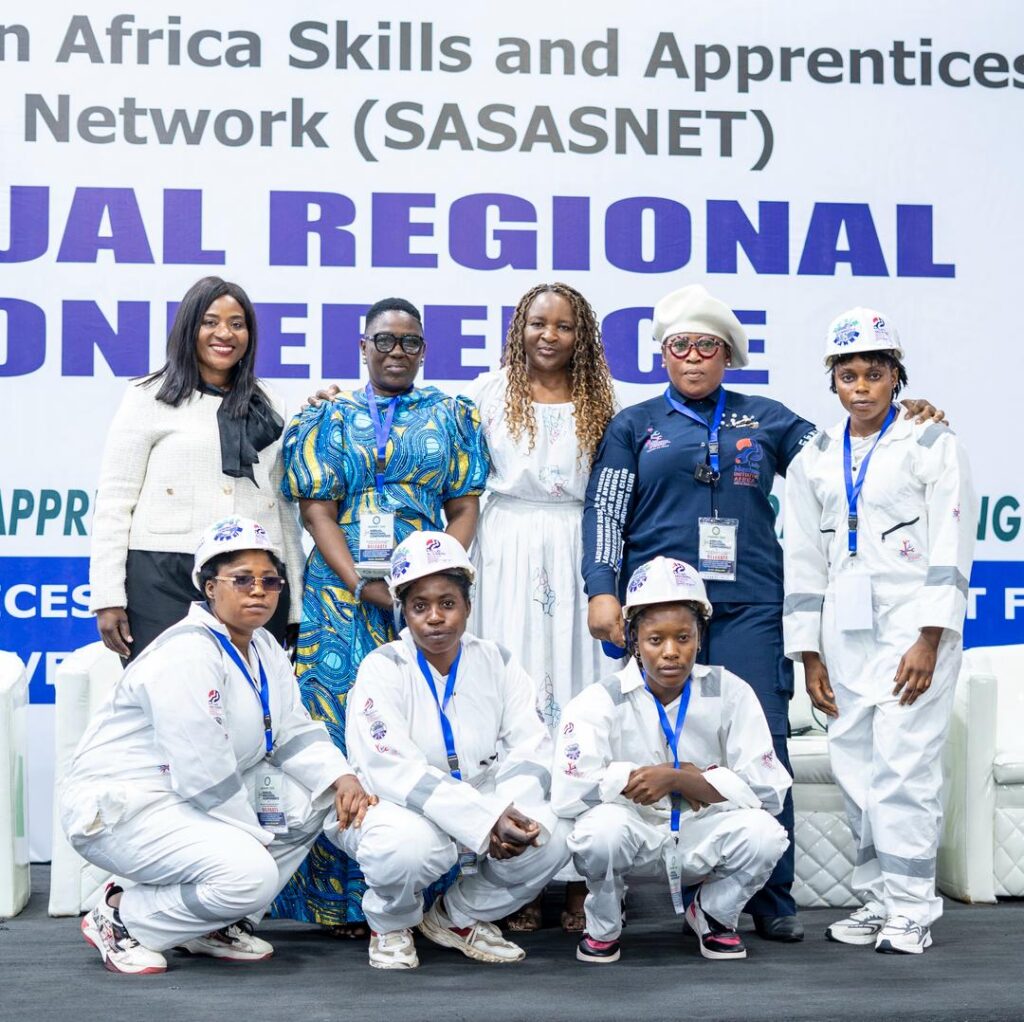

Informal apprenticeships remain Africa’s largest skills development system, providing training opportunities to millions of young people and workers who would otherwise lack access to formal training.
This was one of the highlights at the third annual regional conference of the Sub-Saharan Africa Skills and Apprenticeship Stakeholders Network held in Abuja, Nigeria, last week.
The Ministry of Education, Innovation, Youth, Sport, Arts and Culture, through the Directorate of Technical and Vocational Education and Training (TVET) participated in the conference.
Held under the theme ‘Scaling Apprenticeship for Decent Work in the Quest for Quality Skills Development in the Informal Economy,’ the conference brought together key stakeholders from across Africa to discuss strengthening apprenticeship systems and skills development.
It adopted the Abuja II statement of action, which calls for increased investment in apprenticeship systems to support employment creation, entrepreneurship and economic transformation across Africa.
Education ministry spokesperson Sophie Tendane says delegates at the conference highlighted that while informal apprenticeship remains Africa’s largest source of skills training, it continues to face challenges related to funding, recognition and standardisation.
“The conference observed that skills development should be treated as a strategic economic investment rather than merely a social intervention as it is important for productivity, industrialisation and entrepreneurship,” she says.
According to Tendane, delegates recommended integrating informal apprenticeship into national skills development frameworks, increasing public investment in apprenticeship programmes and expanding recognition of prior learning systems to formally recognise skills acquired through workplace experience and informal learning.
She says Namibia’s participation aligns well with ongoing national efforts to strengthen skills development through the work-integrated learning policy, the TVET policy and an enhanced quality assurance framework.
“Progress in recognition of prior learning initiatives positions Namibia to formally recognise skills acquired outside traditional learning environments and expand access to qualifications in line with the Abuja II commitments,” she says.
The Sub-Saharan Africa Skills and Apprenticeship Stakeholders Network is a 43-country continental platform focused on improving skills and apprenticeship systems, especially within informal economies. It builds on key milestones, including the 2023 Cotonou workshop, the Abuja Launch Action Plan and the 2025 Mombasa Conference, aimed at strengthening apprenticeship systems in the informal economy and promoting employability and decent work.
The post Informal apprenticeships remain Africa’s largest skills development system appeared first on The Namibian.