Middle East’s most powerful military is helping its closest African ally launch its first satellite as Israel makes a move next door
Türkiye is helping Somalia launch its first satellite in 2027, expanding its strategic footprint in the Horn of Africa as arch-rival Israel makes its own move through neighbouring Somaliland in the wider contest for influence around the Gulf of Aden and Red Sea.
 Black News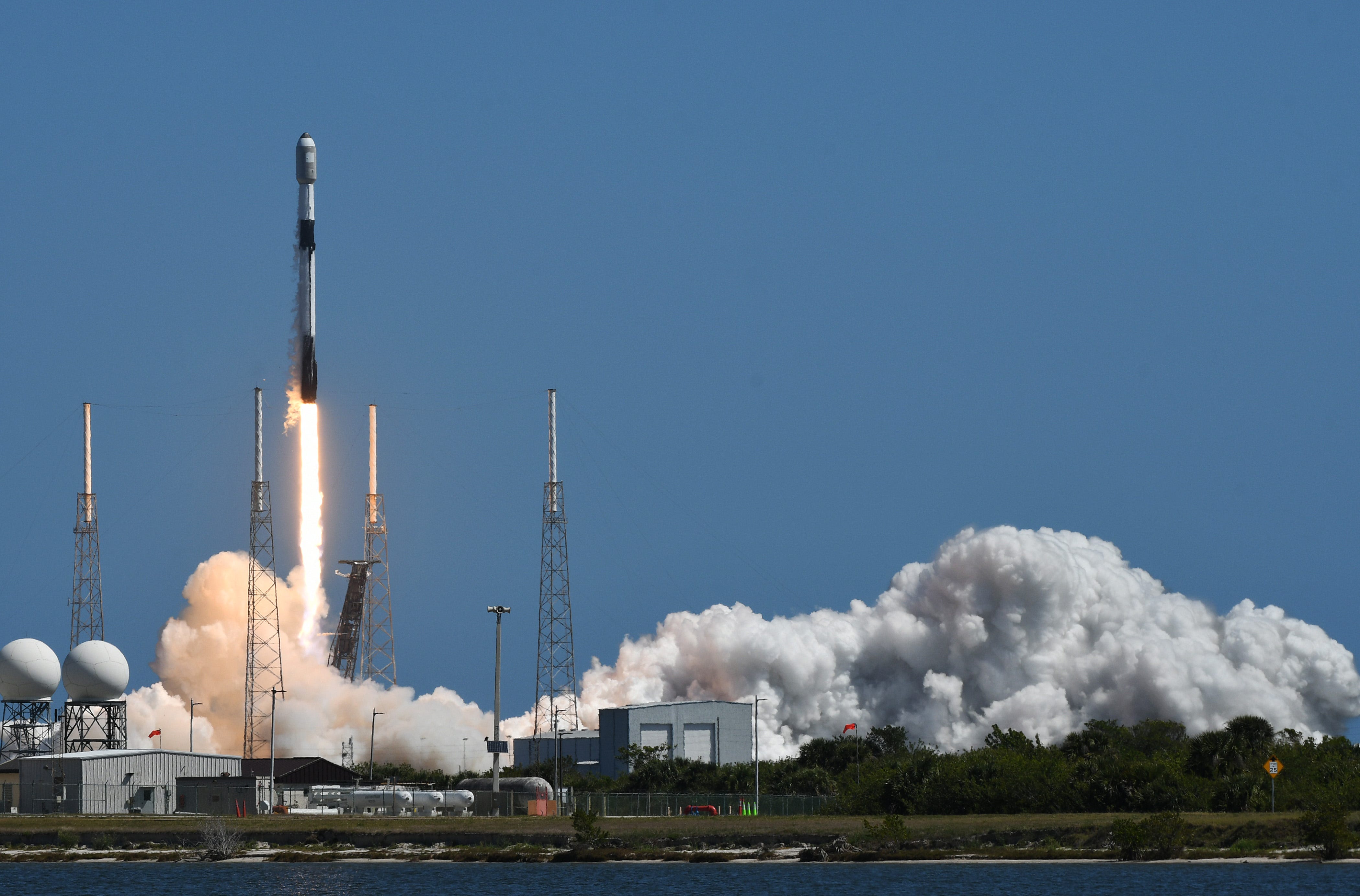

Türkiye is helping Somalia launch its first satellite in 2027, expanding its strategic footprint in the Horn of Africa as arch-rival Israel makes its own move through neighbouring Somaliland in the wider contest for influence around the Gulf of Aden and Red Sea.
- Türkiye is assisting Somalia in preparing to launch its first satellite in 2027, expanding their cooperation into space technology.
- Meanwhile, Israel is strengthening ties with Somaliland, Somalia's breakaway region, deepening a regional rivalry with Türkiye over influence in the Horn of Africa.
- Ankara opposes Israel's recognition of Somaliland and vows continued support for Somalia, as both Middle Eastern powers compete for strategic positions around the Red Sea and Gulf of Aden.
- Türkiye is also developing a $350 million space and missile facility in the Warsheikh district, offering technical advantages due to its equatorial location.
Türkiye, ranked by Global Firepower as the Middle East’s strongest conventional military in 2026 and ninth globally, is pushing deeper into Africa as Ankara and Israel compete for strategic footholds around the Horn of Africa and the vital Red Sea corridor.
As part of that push, Turkish Ambassador to Somalia Alper Aktaş said the country’s satellite programme would be based in Warsheikh district in Middle Shabelle, where Türkiye is already building a major space facility.
“If I had said five or 10 years ago that one day Somalia would launch a satellite into space, many people might have laughed at us,” Aktaş said.
Türkiye develops $350 million space facility
Aktaş’s announcement builds on construction already under way at the Indian Ocean site, about 70 kilometres north of Mogadishu, where Türkiye has been developing the facility since October 2025.
Le Monde reported that the $350 million project will combine a satellite launch base with a ballistic missile testing site, giving Ankara both a space platform and a stronger defence foothold near the Gulf of Aden and Red Sea.
Somalia’s location near the equator strengthens that ambition, allowing rockets to use the Earth’s rotational speed of about 1,670 kilometres per hour to cut fuel use and carry heavier payloads.
The proposed 30×30-kilometre coastal site offers another advantage, providing a clear eastward launch path over the Indian Ocean where spent rocket stages and debris can fall away from populated areas.
Those technical advantages could also turn the site into a commercial launch hub, generating revenue by launching satellites for other countries.
It would also place Somalia among the few African territories to have hosted orbital launches, alongside Algeria, which hosted France’s Astérix launch in 1965, and Kenya, where satellites were launched between 1967 and 1988.
However, beyond the technical advantages, the project also carries wider strategic weight for Türkiye as it expands its influence around the Horn of Africa and the Red Sea corridor.
Red Sea rivalry raises the stakes
That growing Turkish foothold is now being tested by Israel’s latest push into the region, with Tel Aviv strengthening ties with neighbouring Somaliland while retaining strong strategic backing from the United States.
Meanwhile, Ankara backs Somalia’s internationally recognised government, while Somaliland remains a breakaway territory claimed by Mogadishu.
Its location near the Bab el-Mandeb Strait and across from Yemen gives Somaliland strategic value along one of the main shipping routes linking the Indian Ocean, Red Sea and Suez Canal.
Israel’s recognition of Somaliland has further sharpened the regional divide, drawing condemnation from Ankara and several Arab and Muslim-majority countries.
President Recep Tayyip Erdoğan branded the move “illegitimate and unacceptable” and reiterated Türkiye’s backing for Somalia’s territorial integrity.
The stakes could rise further amid reports that Israel is considering a security presence near Berbera, which could give it a closer position to monitor the Red Sea, Gulf of Aden and Houthi activity across the water in Yemen.
“What we discussed today reflects what we have achieved so far, but our aspirations and goals go far beyond that,” Aktaş said.