Morocco’s Generation of Disillusionment: Bread and Circuses, and a Generation Left Waiting
A year since GenZ 212 took to the streets of Morocco, it is a calmer place. We’ve all had our elections, and a new government in place. However, many questions remain. The most difficult one that comes to mind is… what happened to the generation? The Autumn We’ll Never Forget With Morocco preparing to host the Africa Cup of Nations, Autumn 2025 was an exciting time. However, many young Moroccans were starting to ask the question… what about us? GenZ 212 – referring to Morocco’s telephone country code – started online, but the message quickly spread to the streets demanding […] The post Morocco’s Generation of Disillusionment: Bread and Circuses, and a Generation Left Waiting appeared first on African Arguments.
 Black News
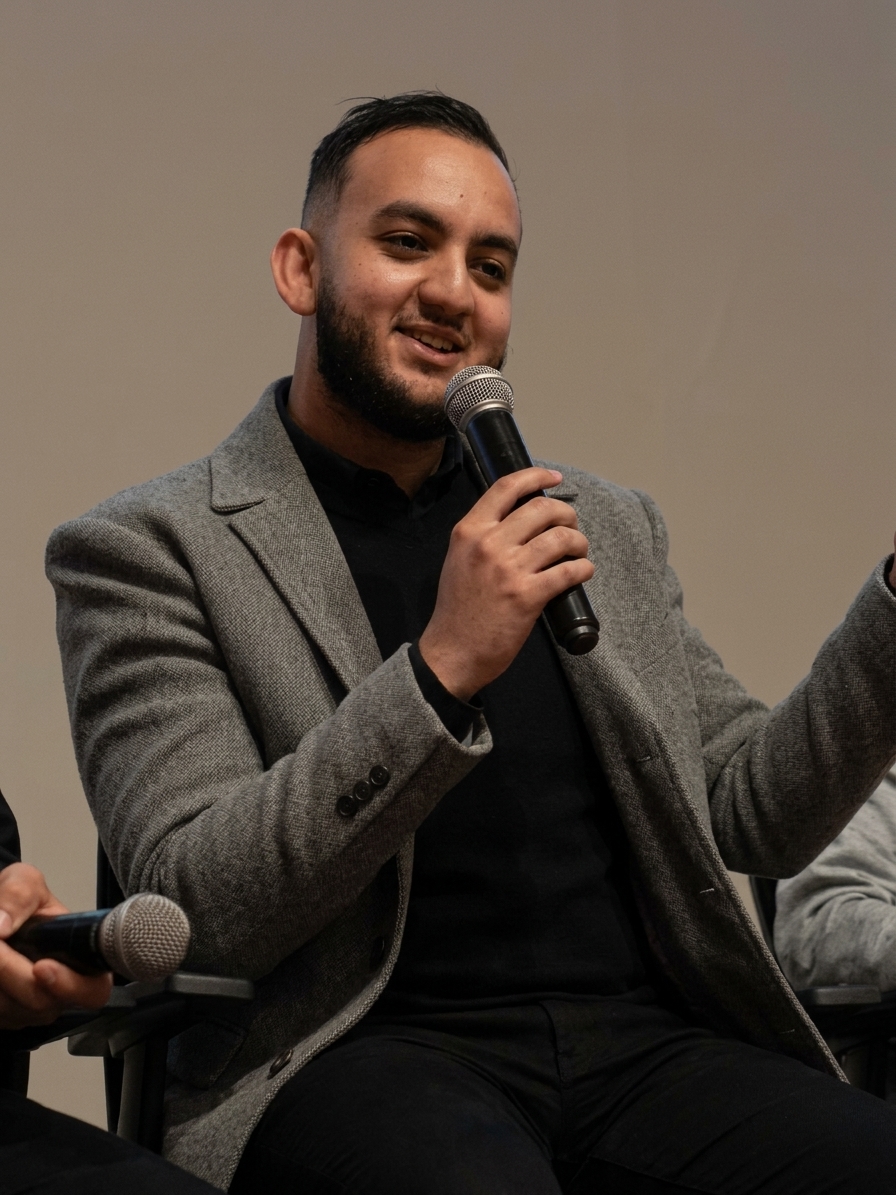
A year since GenZ 212 took to the streets of Morocco, it is a calmer place. We’ve all had our elections, and a new government in place. However, many questions remain. The most difficult one that comes to mind is… what happened to the generation?
The Autumn We’ll Never Forget
With Morocco preparing to host the Africa Cup of Nations, Autumn 2025 was an exciting time. However, many young Moroccans were starting to ask the question… what about us?
GenZ 212 – referring to Morocco’s telephone country code – started online, but the message quickly spread to the streets demanding better healthcare, quality education, jobs, ending corruption and living with dignity.
With news of , the anger was sparked. How could Morocco really fail to provide basic public services with the country preparing to invite the world?
On the 26h October 2025, I wrote a post on social media reflecting on the Roman phrase ‘Panem et Circenses’ meaning ‘give them bread and circuses.’ This was a reflection on how we can become too caught up in the spectacle of our country. Whilst we can create amazing stadiums and organise tournaments to impress the world, what does it matter if we can’t get appropriate care in hospitals or quality opportunities after years of education? I couldn’t have predicted how relevant this would be a year later.
The Voices That Were Silenced
Throughout the protests, I received messages from colleagues and peers involved asking about what the legal repercussions of the situation would be.
Whilst I knew the issues were valid, I could not help but ask…what was going to happen? I didn’t want young people to put themselves in such risky situations for no reason. Although thousands took to the streets, who was going to carry on the message? Who was going to turn the anger into a plan? I couldn’t help but ask myself these questions.
Slowly the movement began to fade. People were arrested and prosecuted. Young people were given jail sentences (some of them long sentences, including minors). Whilst many sentences were reduced on appeal, they weren’t getting their time back and their families would have still been terrified.
In Autumn 2025 I tried to create a podcast episode to capture the movement. I interviewed one of the most well-known activists of GenZ 212 for a media outlet I was working with. On the 15 November 2025, they announced the episode would be coming soon. It never came out. My relationship with the media outlet ended shortly after. Whilst I don’t know why the episode didn’t come out, I do remember them announcing and receiving messages asking me to stay quiet.
The Cameras Moved On.
I wrote at the time: ‘GenZ was not born to applaud, but to think, to question and to change.’ And to this day I still think its one of the best lines I’ve written because it stood the test of time.
Othmane El Jadid is a political analyst, writer, and broadcaster specialising in international relations and political affairs.
Ceuta: The Warning Strikes Again
Ceuta added to our painful memories in July 2026. The authorities stated that between 1,500 to 2,000 people attempted to enter the Spanish enclave over 10 days, resulting in at least 18 deaths, with Spain stating that this was due to smuggling rings and a court ruling.
Although GenZ 212 and Ceuta are different phenomena, I struggle not to link them together. GenZ 212 is showing a desire to change life within Morocco, whilst Ceuta shows the desperation of people trying to reach a better life outside of Morocco. Just because the issue isn’t on our screens anymore doesn’t mean that it’s not an ongoing crisis. Sometimes it just gets quiet.
A Parliament Elected by 38%
I went to vote on the 23 September 2026. I voted for the Left Alliance as they were one of the few political parties that had openly supported some of the demands of GenZ 212. They went from two to eight seats. I hoped this was a small step towards change.
However, the statistics were shocking. Only 38 percent of people voted. 62 percent of those registered to vote didn’t even turn up. This is only around 4 percent of people aged 18-24 in Morocco.
It is easy to say this is due to apathy. However, could we be getting confused between disinterest and disappointment? Many young people still cared about their country, however they no longer felt the political system could change their lives.
Tangier added to the distrust in politics. After reports of a ballot bag being found at a polling station, seven individuals were prosecuted including the mayor of Tangier (a high ranked PAM member) who was placed in pre-trial detention. Whilst these allegations need to be looked into by the courts, they can’t be ignored. Trust in elections comes from transparency.
Around thirty mothers stood outside Parliament demanding their sons be released. This image is something I can’t forget. Whilst a new parliament was being formed and political parties were gearing up for power, these mothers were still waiting. Politics was moving forwards but their lives weren’t. Perhaps our biggest tragedy in our country wasn’t just that the country was going in speeds(‘deux vitesses’ or ‘sari3tain, according to a common cry of protestors), but that one of those speeds was too slow that it became lethal.
Promises and The Cost Of Spectacle
The Moroccan elections held on 23 September had no clear winner. The center-right Authenticity and Modernity Party (PAM) emerged first with 97 of the 395 seats, constituting about one-quarter of the House. The other parties of the outgoing government, RNI (66 seats) and Istiqlal (65), emerged second, and then third came in followed by the Islamist PJD with 54 seats, recovering its fortunes after being decimated in 2021. PAM evantually formed a coalition of 207 seats, more than the required 198 seats for a majority, and Fatima Ezzahra El Mansouri became the first woman to be the Prime Minister of Morocco.The king appoints the head of government from the winning party while keeping control of defense, religion, and strategic decisions. This means that changes in power do not necessarily affect who controls the country through elections. The elections were held on time and in full competition, however, only 38% of people voted. The ballot bag scandal in Tangier became an additional reason for citizens to be skeptical about the voting process. Consequently, after three weeks, PAM headed the government, and almost half of the previous government remained in place including important positions such as Minister of Interior, Abdelouafi Laftit, and Minister of Islamic Affairs, Ahmed Toufiq. Looking at this familiar line-up, I kept asking myself: what is actually going to change?
PAM promised one million new jobs. However, the government plan mentions ‘approximately one million jobs’. Only around 250,000 of these are new jobs. 360,000 are linked to the 2030 World Cup.
Although there is nothing wrong with creating jobs from a large sporting event, and I want Morocco to do well in 2030. I want the stadiums to be full and there to be incredible organisation. However, what happens after? What happens to the graduate looking for jobs in 2031, 2032 or 2035? Are we turning into Brazil, leaving us with expensive stadiums and economic issues?
A World Cup gives a country a moment of glory. It cannot give an entire generation a future. A country isn’t defined by their highest achievement but by how they treat their weakest. I’m certainly not against ambition, but I am against ambition that forgets who it’s for.
Is This Really Our Home?
I voted because I still believe it matters. I’m still writing because I believe it matters. And I’m still criticising because I haven’t stopped caring. The upcoming years will tell us if this disappointment can turn into a fresh start. If they keep their promises we can rebuild trust. If not, we’ll become frustrated again… maybe in ways we don’t expect.
One question I keep coming back to from Hoba Hoba Spirit is:
‘Wach blanda hya darna wla ghir saknin fdar lwlaidin?’
‘Is this country our home, or are we just living in our parents’ house?’
We have our families, our streets, our childhoods and our memories. This is our country. We shouldn’t have to convince ourselves of that. However, feeling like you belong means knowing you can dream for tomorrow. Knowing that your hard work will take you somewhere, your voice will be heard and your country will love you back by providing a home for you and your children.
We were not born to applaud. We were born to belong.
The post Morocco’s Generation of Disillusionment: Bread and Circuses, and a Generation Left Waiting appeared first on African Arguments.