
What would a global collapse look like? These six post‑apocalyptic novels imagine it in various ways
The end-of-the-world scenarios in these six iconic novels range from plague (supernatural and biological) to scorched-earth capitalism.
 Black News
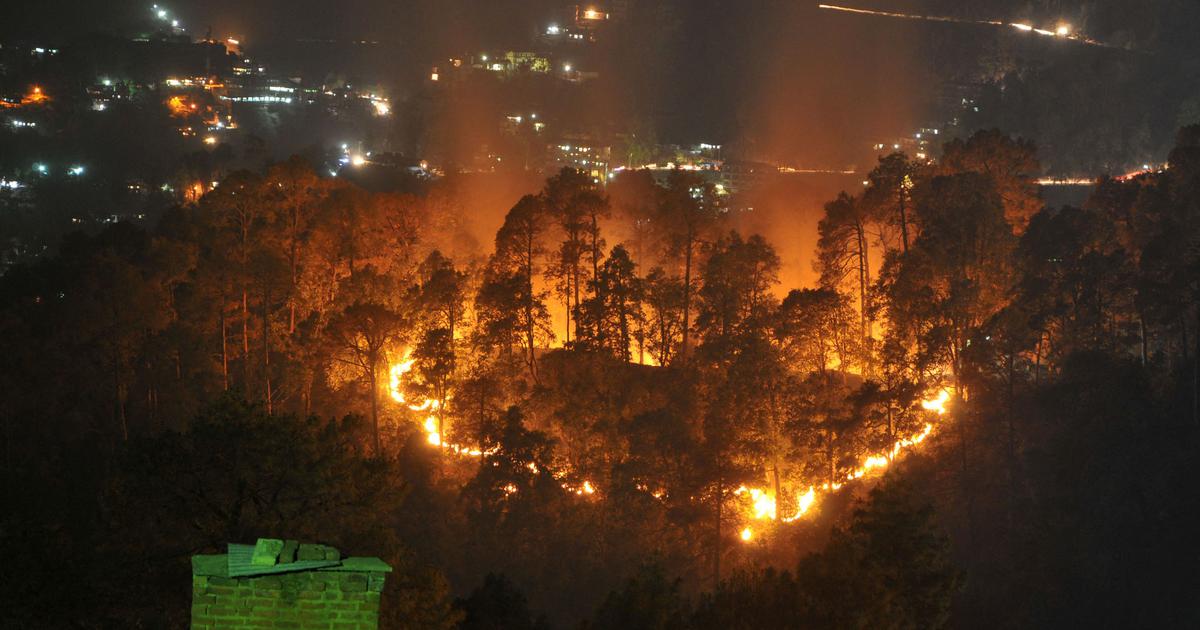

Mary Shelley’s The Last Man (1826) is widely seen as the first post-apocalyptic novel. Recently, 81-year-old author M. John Harrison has just become the first science-fiction author to win the Booker Prize with The End of Everything. Set a few decades from now, it sees a British population coming to grips with a mysterious, threatening alien presence.
In post-apocalyptic fiction – a subset of speculative fiction (or spec fic for short) – the author focuses on a “what if” question, using it to build a world. The “what if” is usually an issue of the present, letting the author critique the now through an imagined future.
In 2026, there’s no shortage of “what ifs” to zero in on – so no wonder the genre is having a moment. Climate change, future pandemics and socioeconomic inequality are all fertile ground for post-apocalyptic fiction.
These kinds of novels are a chance for us to reflect. As philosopher Danielle Celermajer suggests: “speaking the feared future, and being present with each other to how desperately we do not want it”.
Many writers, critics and psychologists have noted the risks of creating “paralysing despair” or hopelessness within climate fiction. Ideally, writers should strike a balance: speaking to the feared future and critiquing the present, while thinking about how...


