Par Funding: When Receiver’s Lawyer Also Becomes The Company’s Defense Lawyer
[Black Star Editorial] Photos: Wikimedia Commons|Others The benefit of documentation is that it can benefit all sides in contentious disputes. So far, that notion has been borne out in the case of Complete Business Solutions Group (CBSG), the former Philadelphia-based merchant cash advance company that operated as Par Funding. Black Star News has spent months reviewing documents filed on the website of the court-appointed receivership headed by Receiver Ryan K. Stumphauzer (headline picture). Those documents have generated a series of articles examining allegations made by former Par Funding CEO Joseph LaForte, his lawyers, former employees, and supporters. One of the most important questions was also one of the simplest: Was Par Funding actually operated as a Ponzi scheme? That designation carries enormous legal, financial, and reputational consequences. Our reporting produced a significant clarification from the Securities and Exchange Commission: the SEC told Black Star News that it did not characterize the case as a Ponzi scheme. Yet the Ponzi characterization had already figured prominently in litigation surrounding Par Funding and in the receivership’s justification for dismantling the company. The SEC has now effectively ended its remaining litigation claims against CBSG and related corporate entities. On August 12, 2026, SEC Senior Trial Counsel Brian Lechich filed a notice concerning the remaining claims against the corporate defendants and relief defendant. Judge Rodolfo Ruiz II entered an order two days later. And that brings us to another allegation raised by LaForte and his lawyers: How could an attorney whose law firm represented the Receiver—whose mission ultimately resulted in dismantling CBSG—also represent CBSG itself as criminal defense counsel? The attorney was Douglas Rosenblum, a partner and Co-Chair of the White Collar practice group at Pietragallo Gordon Alfano Bosick & Raspanti LLP. The public court record establishes that Rosenblum and Pietragallo represented Receiver Ryan K. Stumphauzer. Yet Judge Mark Kearney in the Eastern District of Pennsylvania allowed Rosenblum to represent CBSG in the criminal proceedings. LaForte and his lawyers contend that the two roles were fundamentally incompatible. They argue the Receiver’s position was that CBSG operated an unsustainable business and had to be dismantled. Yet to mount what LaForte and his supporters consider a vigorous defense of CBSG, they contend, Rosenblum would have had to argue essentially the opposite: that Par Funding was a legitimate and profitable business employing more than 70 people and that the financial foundation used to justify dismantling it was wrong. That was the conclusion reached by the Glick Report. Prepared by forensic accountant Joel D. Glick of Berkowitz Pollack Brant, the report analyzed millions of transactions and challenged the methodology used by Development Specialists, Inc. (DSI), the Receiver’s consultant. The Glick analysis concluded that CBSG was profitable under Generally Accepted Accounting Principles. So how could Rosenblum vigorously defend CBSG by arguing that the company was profitable and viable while his own firm represented a Receiver whose actions were premised upon the opposite conclusion? LaForte’s supporters contend that Rosenblum’s firm spent years working alongside federal authorities while serving as counsel to the Receiver and assisting in the collection and production of Par Funding records—only for Rosenblum later to become CBSG’s criminal defense lawyer. They argue that expecting Rosenblum to defend the same corporate entity his firm helped the Receiver dismantle raises fundamental questions about due process. They claim the Sixth Amendment guarantees criminal defendants the right to effective assistance of counsel. LaForte’s lawyers have cited Wheat v. United States, Pennsylvania’s Rules of Professional Conduct, and other authorities in arguing that Judge Kearney should have disqualified Rosenblum and Pietragallo. The Supreme Court held in Wheat that federal courts have substantial latitude when confronting actual or serious potential conflicts of interest. LaForte’s attorneys and supporters say publicly filed fee applications show Rosenblum and his firm logged more than 521 hours on work involving cooperation and interaction with federal investigators and prosecutors. They cite billing entries showing Pietragallo communicating with the FBI and SEC concerning the collection and preservation of Par Funding records and computers; escorting FBI agents through Par facilities; communicating about digital accounts; participating in calls involving the U.S. Attorney’s Office, DSI, and FBI; and processing FBI requests for access to ConvergeHub. Those activities are entirely consistent with Pietragallo’s obligations as counsel to the court-appointed Receiver. Yet, that is precisely why the subsequent criminal representation of CB
 Black News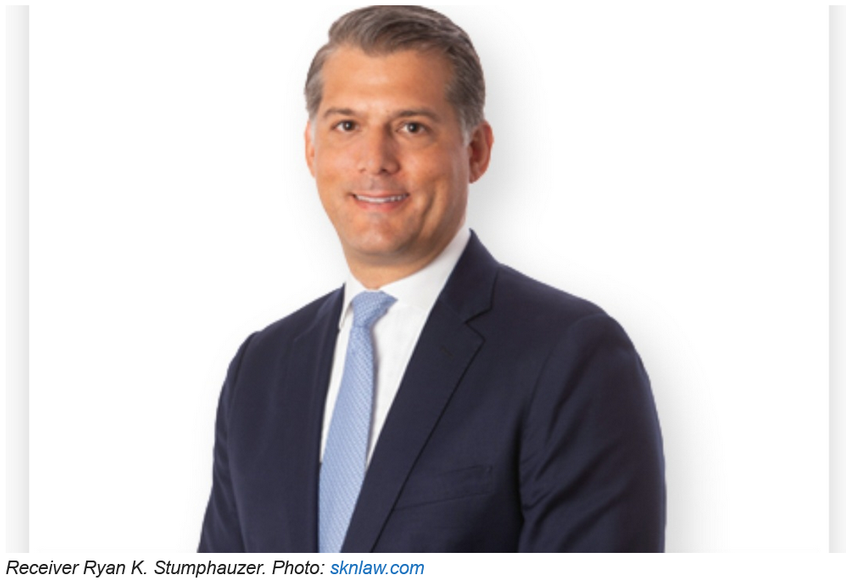
[Black Star Editorial]
Photos: Wikimedia Commons|Others
The benefit of documentation is that it can benefit all sides in contentious disputes. So far, that notion has been borne out in the case of Complete Business Solutions Group (CBSG), the former Philadelphia-based merchant cash advance company that operated as Par Funding.
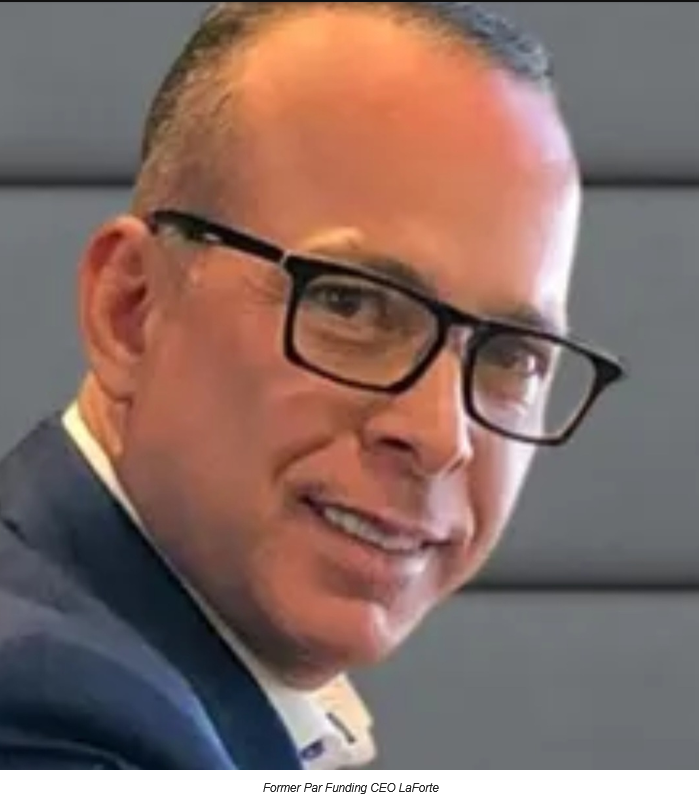
Black Star News has spent months reviewing documents filed on the website of the court-appointed receivership headed by Receiver Ryan K. Stumphauzer (headline picture). Those documents have generated a series of articles examining allegations made by former Par Funding CEO Joseph LaForte, his lawyers, former employees, and supporters.
One of the most important questions was also one of the simplest: Was Par Funding actually operated as a Ponzi scheme?
That designation carries enormous legal, financial, and reputational consequences. Our reporting produced a significant clarification from the Securities and Exchange Commission: the SEC told Black Star News that it did not characterize the case as a Ponzi scheme.
Yet the Ponzi characterization had already figured prominently in litigation surrounding Par Funding and in the receivership’s justification for dismantling the company.
The SEC has now effectively ended its remaining litigation claims against CBSG and related corporate entities. On August 12, 2026, SEC Senior Trial Counsel Brian Lechich filed a notice concerning the remaining claims against the corporate defendants and relief defendant. Judge Rodolfo Ruiz II entered an order two days later.
And that brings us to another allegation raised by LaForte and his lawyers: How could an attorney whose law firm represented the Receiver—whose mission ultimately resulted in dismantling CBSG—also represent CBSG itself as criminal defense counsel?
The attorney was Douglas Rosenblum, a partner and Co-Chair of the White Collar practice group at Pietragallo Gordon Alfano Bosick & Raspanti LLP. The public court record establishes that Rosenblum and Pietragallo represented Receiver Ryan K. Stumphauzer. Yet Judge Mark Kearney in the Eastern District of Pennsylvania allowed Rosenblum to represent CBSG in the criminal proceedings.
LaForte and his lawyers contend that the two roles were fundamentally incompatible.
They argue the Receiver’s position was that CBSG operated an unsustainable business and had to be dismantled. Yet to mount what LaForte and his supporters consider a vigorous defense of CBSG, they contend, Rosenblum would have had to argue essentially the opposite: that Par Funding was a legitimate and profitable business employing more than 70 people and that the financial foundation used to justify dismantling it was wrong.
That was the conclusion reached by the Glick Report. Prepared by forensic accountant Joel D. Glick of Berkowitz Pollack Brant, the report analyzed millions of transactions and challenged the methodology used by Development Specialists, Inc. (DSI), the Receiver’s consultant. The Glick analysis concluded that CBSG was profitable under Generally Accepted Accounting Principles.
So how could Rosenblum vigorously defend CBSG by arguing that the company was profitable and viable while his own firm represented a Receiver whose actions were premised upon the opposite conclusion?
LaForte’s supporters contend that Rosenblum’s firm spent years working alongside federal authorities while serving as counsel to the Receiver and assisting in the collection and production of Par Funding records—only for Rosenblum later to become CBSG’s criminal defense lawyer. They argue that expecting Rosenblum to defend the same corporate entity his firm helped the Receiver dismantle raises fundamental questions about due process.
They claim the Sixth Amendment guarantees criminal defendants the right to effective assistance of counsel. LaForte’s lawyers have cited Wheat v. United States, Pennsylvania’s Rules of Professional Conduct, and other authorities in arguing that Judge Kearney should have disqualified Rosenblum and Pietragallo. The Supreme Court held in Wheat that federal courts have substantial latitude when confronting actual or serious potential conflicts of interest.
LaForte’s attorneys and supporters say publicly filed fee applications show Rosenblum and his firm logged more than 521 hours on work involving cooperation and interaction with federal investigators and prosecutors.
They cite billing entries showing Pietragallo communicating with the FBI and SEC concerning the collection and preservation of Par Funding records and computers; escorting FBI agents through Par facilities; communicating about digital accounts; participating in calls involving the U.S. Attorney’s Office, DSI, and FBI; and processing FBI requests for access to ConvergeHub.
Those activities are entirely consistent with Pietragallo’s obligations as counsel to the court-appointed Receiver. Yet, that is precisely why the subsequent criminal representation of CBSG raises such a profound question: Whose interests was Rosenblum supposed to protect without contradicting his firm’s work for the receiver who was dismantling CBSG?

LaForte, his lawyers, and former Par Funding employees contend that more than $30 million has been charged in receivership professional fees and expenses. They say the total cost rises to approximately $60.5 million when salaries and other operating expenses are included.
Receiver Stumphauzer has not responded to multiple Black Star News inquiries seeking his response to the allegations about the receivership’s fees. He also did not respond to our request for comment for this editorial.
Rosenblum did not respond to an email message from Black Star News seeking comment on the conflict-of-interest allegations and allegations concerning receivership fees before publication.
The SEC through a spokesperson declined comment today.
LaForte and his attorneys and supporters have also challenged payments connected with attorney Shane Heskin and his firm, including approximately $490,000 they say was paid or sought in connection with the receivership. They have also challenged declarations from merchants represented by Heskin concerning Par Funding’s underwriting practices. The Receiver has not answered Black Star News’ questions about this issue.
These questions become even more significant when considered alongside the central financial dispute.
DSI presented an analysis portraying CBSG’s business model as unsustainable. The Glick Report reached the opposite conclusion.
LaForte and his lawyers argue that DSI presented cash-flow analysis as profitability and failed to properly account for the company’s business under accrual accounting and GAAP. The Glick Report, after examining millions of transactions, concluded that CBSG was indeed profitable.
LaForte’s supporters argue that if Rosenblum aggressively defended CBSG by demonstrating that Par Funding was profitable, solvent, and legitimately operated, he would simultaneously undermine the narrative that justified the receivership—and potentially raise questions about the sums in professional fees.
Finally, why has the receivership continued after the SEC ended its remaining litigation claims against CBSG and related entities?
The SEC, to its credit, previously responded to Black Star News’ questions concerning the Ponzi characterization. That response helped clarify an important part of the public record.









![I Placed My Black Son For Adoption After Rape — His Memoir, ‘Stranger In My Own Story,’ Helped Me Reclaim Mine [Op-Ed]](https://madamenoire.com/wp-content/uploads/sites/9/2026/09/17907998954811-rotated-e1790802025921.jpg?quality=80&strip=all&w=2448&crop=0,0,100,1322px#)